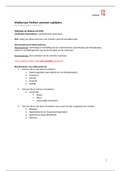
Kingdom Protista eukaryotes
>
-
Unicellular; simplest
Classification
>
-
can be heterotrophic , autotrophic ,
or
mixotrophic .
animal-like protists
·
Heterotroph :
·
Autotroph plant-like protists :
external digestion
Fungus-like protists
:
·
Evolution
evolved
the first
protists were eukaryotic cells > 1 5 billion yrs ago
-
.
·
origin of the
>
-
Endosymbiosis : hypothesis
ab the enkaryotic cell .
other cells & became the mitochondria
prokaryotes lived inside
.
↳
first Mitochondria by engulfing aerobic
prokaryotes .
4) enk acg
.
.
>
-
Non-photosynthetic prokaryotes captured photosynthetic
prokaryotes & they
became chloroplasts
Evidence :
size
>
-
appropriate DNA
contain their own
-
Chloro & mito .
of DNA
.
circular molecule
single
enzymes contained in the cell membrane of bacteria are
Many
·
found in mitochondria & chloroplast membranes
.
& chloro contain ribosomes -
> resemble bacteria
Mito
,
.
BF
-
to
out similar
replication
.
-
Mito .
& chloro ,
carry
own
Animal-line Protists ·
I Protozoans
Protozoa : first animals
>
-
can more
nutrients by of small molecules /cells
ingestion
.
>
-
heterotrophic obtain ,
contain digestive
>
-
food vacuole :
enzymes for digestion
BF & sexually by
>
-
reproduce a sexually by
conjugation anatomy parameci,
> make
-
up
zooplanktor plant-like : #
defense
Phymn Trychocysts
:
·
for light
-
eyespot
Zoomastigina :Hagela > osmoregulation
·
amoeboids
Contractive vacuole
-
ods
nicellular protists
-
· ,
a
wall
Englenoids
- >
no cell
ciliates > made
Ciliophora ⑤
-
- our
: unicellular,
Dinoflagellates
>
> > of cellulose
-
-
-
non-motic unicellular , glass-line
contain ins
>
-
Diatoms - > ca
Sporozoa
:
silica
>
-
> sea
- weeds : multi , page
marine algae
>
-
Unicellular; simplest
Classification
>
-
can be heterotrophic , autotrophic ,
or
mixotrophic .
animal-like protists
·
Heterotroph :
·
Autotroph plant-like protists :
external digestion
Fungus-like protists
:
·
Evolution
evolved
the first
protists were eukaryotic cells > 1 5 billion yrs ago
-
.
·
origin of the
>
-
Endosymbiosis : hypothesis
ab the enkaryotic cell .
other cells & became the mitochondria
prokaryotes lived inside
.
↳
first Mitochondria by engulfing aerobic
prokaryotes .
4) enk acg
.
.
>
-
Non-photosynthetic prokaryotes captured photosynthetic
prokaryotes & they
became chloroplasts
Evidence :
size
>
-
appropriate DNA
contain their own
-
Chloro & mito .
of DNA
.
circular molecule
single
enzymes contained in the cell membrane of bacteria are
Many
·
found in mitochondria & chloroplast membranes
.
& chloro contain ribosomes -
> resemble bacteria
Mito
,
.
BF
-
to
out similar
replication
.
-
Mito .
& chloro ,
carry
own
Animal-line Protists ·
I Protozoans
Protozoa : first animals
>
-
can more
nutrients by of small molecules /cells
ingestion
.
>
-
heterotrophic obtain ,
contain digestive
>
-
food vacuole :
enzymes for digestion
BF & sexually by
>
-
reproduce a sexually by
conjugation anatomy parameci,
> make
-
up
zooplanktor plant-like : #
defense
Phymn Trychocysts
:
·
for light
-
eyespot
Zoomastigina :Hagela > osmoregulation
·
amoeboids
Contractive vacuole
-
ods
nicellular protists
-
· ,
a
wall
Englenoids
- >
no cell
ciliates > made
Ciliophora ⑤
-
- our
: unicellular,
Dinoflagellates
>
> > of cellulose
-
-
-
non-motic unicellular , glass-line
contain ins
>
-
Diatoms - > ca
Sporozoa
:
silica
>
-
> sea
- weeds : multi , page
marine algae