RMHS study
Lecture 1
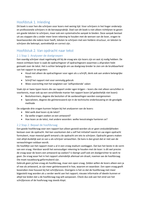
Epistemology- study of knowledge
Theory of knowledge- how do we know
Theory of knowledge + positionality = influences how you set up a study
Objectivism – there is an objective reality out there- role of research to discover
this one reality – researchers should strive not to include their own feelings or
values. Connected to positivism > post- positivism (approximate the truth)
Constructivism – truth and meaning do not exist in the world but are created by
the subjects interaction with the world. Multiple valid accounts can exist
simultaneously. Meaning is constructed not discovered.
Subjectivism – meaning is imposed by the subject on the object. Subjects do
construct meaning but do so from within beliefs etc. connected to post
modernism
Critical inquiry – critical perspective – questions values and assumptions –
challenges convention -power dynamics
Feminism- gender relations, social justice, what a person knows is largely
determined by their social position.
Epistemic injustice- injustice related to knowledge – exclusion, silencing. Eg
tendency to disregard local/indigenous knowledge or disabled or children.
Lecture 2
Difficult to include patients: question of what do patients want themselves – have
little understanding of the medical jargon etc
- Power Imbalance:
Traditional hierarchies in healthcare &research often place researchers,
clinicians,
and policymakers in positions of authority, while patients may have less
influence.
- Heterogeneity of Patient Populations:
Patients are not a homogenous group. Different individuals may have conflicting,
priorities.
- Underrepresentation of Marginalized Groups:
Minorities & low-income individuals may be underrepresented
- Lack of Training and Support:
make it diffficult to effectively participate in technical, complex research
discussions
- Time and Resource Constraints
Lecture 3
, Conceptual framework
Theory
Concept
Inductive vs deductive reasoning
Deductive approach- start with theory > develop hypothesis > collect data >
reject/confirm/modify (go from the theory to the observation. Content analysis)
Inductive approach – start with data collection > analyse patterns > hypothesis>
contribute/develop to theory (grounded theory or thematic analysis)
Disadvantages of theoretical frameworks: overly simplistic, limited applicability,
less open and flexible, create selective views, time consuming to develop
Common pitfalls when using a framework: not a visualisation, it’s a summary of
theory not integrated throughout, going from simplification to the complex
reality, develop their own
4 options:
1. Framework exists that fits your project exactly
2. Multiple theories from literature combined
3. Several relevant concepts can be derived from literature
• Definite concepts have clear definitions in terms of attributes, providing a description of what to
see. Sensitizing concepts are different. They are interpretive devices and suggests directions along
which to look
• Used when you don’t want to impose a framework on the situation
• Help you to get a deep understanding of a phenomena
• Are effective in providing an analytical framework
4. Framework has to emerge from data (grounded theory)
Lecture 4
-gap between science and society- participation action research (PAR)
Demand gap: gap between problem and research
Mono
Multi
Inter
Transdisciplinary
What is participatory action research?
Action and research together in a participative manner
Idea that patients or those from lower socio-economic background cant be
involved or understand their own situation
Revise plan, observe reflect and revise plan
Lecture 1
Epistemology- study of knowledge
Theory of knowledge- how do we know
Theory of knowledge + positionality = influences how you set up a study
Objectivism – there is an objective reality out there- role of research to discover
this one reality – researchers should strive not to include their own feelings or
values. Connected to positivism > post- positivism (approximate the truth)
Constructivism – truth and meaning do not exist in the world but are created by
the subjects interaction with the world. Multiple valid accounts can exist
simultaneously. Meaning is constructed not discovered.
Subjectivism – meaning is imposed by the subject on the object. Subjects do
construct meaning but do so from within beliefs etc. connected to post
modernism
Critical inquiry – critical perspective – questions values and assumptions –
challenges convention -power dynamics
Feminism- gender relations, social justice, what a person knows is largely
determined by their social position.
Epistemic injustice- injustice related to knowledge – exclusion, silencing. Eg
tendency to disregard local/indigenous knowledge or disabled or children.
Lecture 2
Difficult to include patients: question of what do patients want themselves – have
little understanding of the medical jargon etc
- Power Imbalance:
Traditional hierarchies in healthcare &research often place researchers,
clinicians,
and policymakers in positions of authority, while patients may have less
influence.
- Heterogeneity of Patient Populations:
Patients are not a homogenous group. Different individuals may have conflicting,
priorities.
- Underrepresentation of Marginalized Groups:
Minorities & low-income individuals may be underrepresented
- Lack of Training and Support:
make it diffficult to effectively participate in technical, complex research
discussions
- Time and Resource Constraints
Lecture 3
, Conceptual framework
Theory
Concept
Inductive vs deductive reasoning
Deductive approach- start with theory > develop hypothesis > collect data >
reject/confirm/modify (go from the theory to the observation. Content analysis)
Inductive approach – start with data collection > analyse patterns > hypothesis>
contribute/develop to theory (grounded theory or thematic analysis)
Disadvantages of theoretical frameworks: overly simplistic, limited applicability,
less open and flexible, create selective views, time consuming to develop
Common pitfalls when using a framework: not a visualisation, it’s a summary of
theory not integrated throughout, going from simplification to the complex
reality, develop their own
4 options:
1. Framework exists that fits your project exactly
2. Multiple theories from literature combined
3. Several relevant concepts can be derived from literature
• Definite concepts have clear definitions in terms of attributes, providing a description of what to
see. Sensitizing concepts are different. They are interpretive devices and suggests directions along
which to look
• Used when you don’t want to impose a framework on the situation
• Help you to get a deep understanding of a phenomena
• Are effective in providing an analytical framework
4. Framework has to emerge from data (grounded theory)
Lecture 4
-gap between science and society- participation action research (PAR)
Demand gap: gap between problem and research
Mono
Multi
Inter
Transdisciplinary
What is participatory action research?
Action and research together in a participative manner
Idea that patients or those from lower socio-economic background cant be
involved or understand their own situation
Revise plan, observe reflect and revise plan