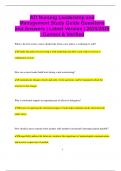
Test Bank For Pediatric Nursing- A Case-Based Approach
m m m m m m m
2nd Edition by Tagher Knapp
m m m m
Chapters 1 - 34 | All Chapters
m m m m m m
,
, TO GET ALL CHAPTERS EMAIL ME AT>>>>>
m m m m m m mmm
m
Chapter 1: Bronchiolitis m m
1. Which intervention is appropriate for the infant hospitalized with bronchiolitis?
m m m m m m m m m
a. Position on the side with neck slightly flexed. m m m m m m m
b. Administer antibiotics as ordered. m m m
c. Restrict oral and parenteral fluids if tachypneic. m m m m m m
d. Give cool, humidified oxygen. m m m
ANSWER: D
m m
Cool, humidified oxygen is given to relieve dyspnea, hypoxemia, and insensible fluid loss from
m m m m m m m m m m m m m
mtachypnea. The infant should be positioned with the head and chest elevated at a 30- to 40-degree
m m m m m m m m m m m m m m m m
mangle and the neck slightly extended to maintain an open airway and decrease pressure on the
m m m m m m m m m m m m m m m
diaphragm. The etiology of bronchiolitis is viral. Antibiotics are given only if there is a secondary
m m m m m m m m m m m m m m m m
bacterial infection. Tachypnea increases insensible fluid loss. If the infant is tachypneic, fluids
m m m m m m m m m m m m m
are given parenterally to prevent dehydration.
m m m m m m
2. An infant with bronchiolitis is hospitalized. The causative organism is respiratory syncytial
m m m m m m m m m m m
mvirus (RSV). The nurse knows that a child infected with this virus requires what type of
m m m m m m m m m m m m m m m
misolation?
a. Reverse isolation m
b. Airborne isolation m
c. Contact Precautions m
d. Standard Precautions m
ANSWER: C
m m
RSV is transmitted through droplets. In addition to Standard Precautions and hand washing,
m m m m m m m m m m m m
mContact Precautions are required. Caregivers must use gloves and gowns when entering the
m m m m m m m m m m m m
mroom. Care is taken not to touch their own eyes or mucous membranes with a contaminated
m m m m m m m m m m m m m m m
mgloved hand. Children are placed in a private room or in a room with other children with RSV
m m m m m m m m m m m m m m m m m
minfections. Reverse isolation focuses on keeping bacteria away from the infant. With RSV, other
m m m m m m m m m m m m m
mchildren need to be protected from exposure to the virus. The virus is not airborne.
m m m m m m m m m m m m m m
3. A child has a chronic cough and diffuse wheezing during the expiratory phase of respiration.
m m m m m m m m m m m m m m
mThis suggests what condition?
m m m
a. Asthma
b. Pneumonia
c. Bronchiolitis
d. Foreignbody in trachea m m m
, ANSWER: A
m m
Asthma may have these chronic signs and symptoms. Pneumonia appears with an acute onset,
m m m m m m m m m m m m m
mfever, and general malaise. Bronchiolitis is an acute condition caused by respiratory syncytial
m m m m m m m m m m m m
m m m m m m m
2nd Edition by Tagher Knapp
m m m m
Chapters 1 - 34 | All Chapters
m m m m m m
,
, TO GET ALL CHAPTERS EMAIL ME AT>>>>>
m m m m m m mmm
m
Chapter 1: Bronchiolitis m m
1. Which intervention is appropriate for the infant hospitalized with bronchiolitis?
m m m m m m m m m
a. Position on the side with neck slightly flexed. m m m m m m m
b. Administer antibiotics as ordered. m m m
c. Restrict oral and parenteral fluids if tachypneic. m m m m m m
d. Give cool, humidified oxygen. m m m
ANSWER: D
m m
Cool, humidified oxygen is given to relieve dyspnea, hypoxemia, and insensible fluid loss from
m m m m m m m m m m m m m
mtachypnea. The infant should be positioned with the head and chest elevated at a 30- to 40-degree
m m m m m m m m m m m m m m m m
mangle and the neck slightly extended to maintain an open airway and decrease pressure on the
m m m m m m m m m m m m m m m
diaphragm. The etiology of bronchiolitis is viral. Antibiotics are given only if there is a secondary
m m m m m m m m m m m m m m m m
bacterial infection. Tachypnea increases insensible fluid loss. If the infant is tachypneic, fluids
m m m m m m m m m m m m m
are given parenterally to prevent dehydration.
m m m m m m
2. An infant with bronchiolitis is hospitalized. The causative organism is respiratory syncytial
m m m m m m m m m m m
mvirus (RSV). The nurse knows that a child infected with this virus requires what type of
m m m m m m m m m m m m m m m
misolation?
a. Reverse isolation m
b. Airborne isolation m
c. Contact Precautions m
d. Standard Precautions m
ANSWER: C
m m
RSV is transmitted through droplets. In addition to Standard Precautions and hand washing,
m m m m m m m m m m m m
mContact Precautions are required. Caregivers must use gloves and gowns when entering the
m m m m m m m m m m m m
mroom. Care is taken not to touch their own eyes or mucous membranes with a contaminated
m m m m m m m m m m m m m m m
mgloved hand. Children are placed in a private room or in a room with other children with RSV
m m m m m m m m m m m m m m m m m
minfections. Reverse isolation focuses on keeping bacteria away from the infant. With RSV, other
m m m m m m m m m m m m m
mchildren need to be protected from exposure to the virus. The virus is not airborne.
m m m m m m m m m m m m m m
3. A child has a chronic cough and diffuse wheezing during the expiratory phase of respiration.
m m m m m m m m m m m m m m
mThis suggests what condition?
m m m
a. Asthma
b. Pneumonia
c. Bronchiolitis
d. Foreignbody in trachea m m m
, ANSWER: A
m m
Asthma may have these chronic signs and symptoms. Pneumonia appears with an acute onset,
m m m m m m m m m m m m m
mfever, and general malaise. Bronchiolitis is an acute condition caused by respiratory syncytial
m m m m m m m m m m m m