Inhoud
Vocabulary..............................................................................................................................................3
1 tenses..............................................................................................................................................3
2 Passive Voice...................................................................................................................................6
3 Agreeing and disagreeing................................................................................................................6
4 Tag Questions..................................................................................................................................7
5 idioms..............................................................................................................................................8
5.1 idiom & meaning......................................................................................................................8
5.2 idioms used in conversational English......................................................................................8
6 phrasal verbs...................................................................................................................................9
7 confusing words...............................................................................................................................9
8 prepositions...................................................................................................................................10
9 difference between British and American English.........................................................................12
Business communication......................................................................................................................13
1 making professional contact..........................................................................................................13
1.1 greeting/ introducing yourself and other people....................................................................13
2 making appointments....................................................................................................................15
2.1 telling the time........................................................................................................................15
2.2 making appointments.............................................................................................................16
3 travelling on business....................................................................................................................18
3.1 airport.....................................................................................................................................18
3.2 by car......................................................................................................................................18
3.3 by train....................................................................................................................................19
3.4 asking and showing someone the way...................................................................................19
4 email..............................................................................................................................................19
4.1 subject headings.....................................................................................................................19
4.2 salutation................................................................................................................................19
4.3 vocabulary..............................................................................................................................22
5 telephoning....................................................................................................................................23
5.1 saying telephone numbers.....................................................................................................23
5.2 the alphabet...........................................................................................................................23
5.3 reading electronic addresses..................................................................................................23
5.4 standard vocabulary...............................................................................................................23
5.5 telephone conversations........................................................................................................25
1
, 6 meetings........................................................................................................................................27
6.1 the items on the agenda.........................................................................................................27
6.2 the attendees..........................................................................................................................27
Technical communication.....................................................................................................................28
1 numbers.........................................................................................................................................28
1.1 cardinal numbers....................................................................................................................28
Abbreviations...................................................................................................................................29
1.2 ordinal numbers.....................................................................................................................29
1.3 fractions..................................................................................................................................29
1.4 decimals..................................................................................................................................30
1.5 percentages............................................................................................................................30
1.6 ratios.......................................................................................................................................30
1.7 calculations.............................................................................................................................30
1.8 dates.......................................................................................................................................31
1.9 money.....................................................................................................................................31
1.10 some mathematical expressions...........................................................................................32
1.11 imperial system and SI system..............................................................................................32
2 the textile and apparel industry.....................................................................................................33
2
, Vocabulary
1 tenses
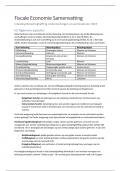
TENSE USES FORMS
Present To talk about: (+)
Simple infinitive without to / + ‘s’ with he, she, it
- habits or routines (often with an adverb of frequency) I work here. She works there.
She often plays tennis at weekends.
(-/?)
- present situations that continue for a long time (= facts) do/does (not) + infinitive
She lives in Ostend. Do you live here? He doesn’t come often.
Present To talk about:
Progressive ‘to be’ (pres.) + -ing form
(= - present and temporary activities (= going on NOW)
continuous) Susan is working at home today. They are playing outside.
I’m not leaving until next Monday.
- an arrangement in the (near) future Why are you crying?
I am seeing my doctor next Monday.
Past Simple To talk about: (+)
Regular:
- an action, event or state which started and finished in the Infinitive + (e)d
past (= completely finished action) They worked very hard. (work)
He worked for a TV company. She liked them a lot. (like)
We carried all the cases. (carry)
- an action, event or state at a specific past moment Irregular: list irregular verbs
(= with a time, indication) to go - went – gone / to meet - met - met
They arrived yesterday.
(-/?)
- a series of past events Did (not) + inf. without to
I found a bottle and filled it with water. Did you have fun? I didn’t meet anyone.
Exception: modals and was/were: no auxiliary.
Was Peter there? He couldn’t come.
3
, Past To describe:
Progressive Past of ‘to be’ + ing form
- a situation or action was in progress in the past (often with
while or when) My friends were waiting for me.
We were walking along the street when we heard that noise. Were you also waiting for me?
They were playing tennis at six o’clock. No, I wasn’t waiting for you.
- two or more situations that were in progress at the same
time
Jenny was working while John was watching TV.
Present To refer to:
Perfect ‘to have’ (pres.) + past participle (= VD = inf.
Simple - an action, event or state which started in the past and + ed (regular)
continues until now or
She has lived here for ten years. (and is still living here!) 3rd column (irregular))
- something that happened at an unspecified time in the past I have seen that film before.
I’ve been to Greece. He hasn’t seen that film before.
Have they seen that film before?
- (often + these words: ever/never/always/not yet/for/ since/
just)
Present =
Perfect Present perfect Simple + idea of ‘duration’ or ‘repetition’ ‘to have’ (pres.) + been + ing form
Progressive She has been training for two years.
I’ve been knocking on her door. He has been coaching that team for ten years now.
Have they been sleeping all day?
I haven’t been smoking since 2006.
Past Perfect To refer to:
Simple had + past participle (VD)
- events or actions which happened before other past events
or actions She had learned to write before her fifth birthday.
When I arrived, she had already left. She still hadn’t eaten it when I called.
Had he made the beds yet?
4
Vocabulary..............................................................................................................................................3
1 tenses..............................................................................................................................................3
2 Passive Voice...................................................................................................................................6
3 Agreeing and disagreeing................................................................................................................6
4 Tag Questions..................................................................................................................................7
5 idioms..............................................................................................................................................8
5.1 idiom & meaning......................................................................................................................8
5.2 idioms used in conversational English......................................................................................8
6 phrasal verbs...................................................................................................................................9
7 confusing words...............................................................................................................................9
8 prepositions...................................................................................................................................10
9 difference between British and American English.........................................................................12
Business communication......................................................................................................................13
1 making professional contact..........................................................................................................13
1.1 greeting/ introducing yourself and other people....................................................................13
2 making appointments....................................................................................................................15
2.1 telling the time........................................................................................................................15
2.2 making appointments.............................................................................................................16
3 travelling on business....................................................................................................................18
3.1 airport.....................................................................................................................................18
3.2 by car......................................................................................................................................18
3.3 by train....................................................................................................................................19
3.4 asking and showing someone the way...................................................................................19
4 email..............................................................................................................................................19
4.1 subject headings.....................................................................................................................19
4.2 salutation................................................................................................................................19
4.3 vocabulary..............................................................................................................................22
5 telephoning....................................................................................................................................23
5.1 saying telephone numbers.....................................................................................................23
5.2 the alphabet...........................................................................................................................23
5.3 reading electronic addresses..................................................................................................23
5.4 standard vocabulary...............................................................................................................23
5.5 telephone conversations........................................................................................................25
1
, 6 meetings........................................................................................................................................27
6.1 the items on the agenda.........................................................................................................27
6.2 the attendees..........................................................................................................................27
Technical communication.....................................................................................................................28
1 numbers.........................................................................................................................................28
1.1 cardinal numbers....................................................................................................................28
Abbreviations...................................................................................................................................29
1.2 ordinal numbers.....................................................................................................................29
1.3 fractions..................................................................................................................................29
1.4 decimals..................................................................................................................................30
1.5 percentages............................................................................................................................30
1.6 ratios.......................................................................................................................................30
1.7 calculations.............................................................................................................................30
1.8 dates.......................................................................................................................................31
1.9 money.....................................................................................................................................31
1.10 some mathematical expressions...........................................................................................32
1.11 imperial system and SI system..............................................................................................32
2 the textile and apparel industry.....................................................................................................33
2
, Vocabulary
1 tenses
TENSE USES FORMS
Present To talk about: (+)
Simple infinitive without to / + ‘s’ with he, she, it
- habits or routines (often with an adverb of frequency) I work here. She works there.
She often plays tennis at weekends.
(-/?)
- present situations that continue for a long time (= facts) do/does (not) + infinitive
She lives in Ostend. Do you live here? He doesn’t come often.
Present To talk about:
Progressive ‘to be’ (pres.) + -ing form
(= - present and temporary activities (= going on NOW)
continuous) Susan is working at home today. They are playing outside.
I’m not leaving until next Monday.
- an arrangement in the (near) future Why are you crying?
I am seeing my doctor next Monday.
Past Simple To talk about: (+)
Regular:
- an action, event or state which started and finished in the Infinitive + (e)d
past (= completely finished action) They worked very hard. (work)
He worked for a TV company. She liked them a lot. (like)
We carried all the cases. (carry)
- an action, event or state at a specific past moment Irregular: list irregular verbs
(= with a time, indication) to go - went – gone / to meet - met - met
They arrived yesterday.
(-/?)
- a series of past events Did (not) + inf. without to
I found a bottle and filled it with water. Did you have fun? I didn’t meet anyone.
Exception: modals and was/were: no auxiliary.
Was Peter there? He couldn’t come.
3
, Past To describe:
Progressive Past of ‘to be’ + ing form
- a situation or action was in progress in the past (often with
while or when) My friends were waiting for me.
We were walking along the street when we heard that noise. Were you also waiting for me?
They were playing tennis at six o’clock. No, I wasn’t waiting for you.
- two or more situations that were in progress at the same
time
Jenny was working while John was watching TV.
Present To refer to:
Perfect ‘to have’ (pres.) + past participle (= VD = inf.
Simple - an action, event or state which started in the past and + ed (regular)
continues until now or
She has lived here for ten years. (and is still living here!) 3rd column (irregular))
- something that happened at an unspecified time in the past I have seen that film before.
I’ve been to Greece. He hasn’t seen that film before.
Have they seen that film before?
- (often + these words: ever/never/always/not yet/for/ since/
just)
Present =
Perfect Present perfect Simple + idea of ‘duration’ or ‘repetition’ ‘to have’ (pres.) + been + ing form
Progressive She has been training for two years.
I’ve been knocking on her door. He has been coaching that team for ten years now.
Have they been sleeping all day?
I haven’t been smoking since 2006.
Past Perfect To refer to:
Simple had + past participle (VD)
- events or actions which happened before other past events
or actions She had learned to write before her fifth birthday.
When I arrived, she had already left. She still hadn’t eaten it when I called.
Had he made the beds yet?
4