CHAPTER 4 – ETHICS
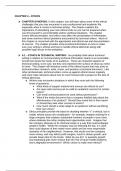
CHAPTER SYNOPSIS: In this chapter, you will learn about some of the ethical
challenges that you may encounter in your professional and academic life,
especially when it comes to technical writing. The chapter explains the
importance of articulating your own ethical code so you can be prepared when
you find yourself in uncomfortable and/or unethical situations. The chapter
covers ethical principles, how ethics may affect the presentation of information,
and some common ethical problems encountered by technical writers. Much of
this chapter is concerned with the appropriate and ethical use and documentation
of sources. The chapter provides some practical information on how to make
sure your writing is ethical and how to handle ethical dilemmas along with
possible legal issues in the workplace.
4.1 – ETHICS IN TECHNICAL WRITING: You probably think about technical
writing in relation to communicating technical information clearly in an accessible
format that meets the needs of its audience. These are important aspects of
technical writing, to be sure, but they only represent the surface of what you need
to know. This chapter will introduce some of the ethical issues that may arise as
technical writers research, write, revise, and produce a technical document. Like
other professionals, technical writers come up against ethical issues regularly
and must make decisions about how to move forward with a project in the face of
ethical dilemmas.
o Writers may encounter situations in which they must ask the following
kinds of questions:
What kinds of support material and sources are ethical to use?
Are open web sources just as valid as academic sources for certain
topics?
Can email communications be used without permission?
What if the writer discovers that a company falsified data about the
effectiveness of its product? Should they reveal this in their report
or should they take other courses of action?
How much should a writer adapt to an audience without sacrificing
their own views?
o Ethics principles provide the basis for deciding whether “x” is ethical, but in
reality, ethical issues are complicated – for example, imagine working for a
large company that employs substantial numbers of people in your town,
where relatively few other employment opportunities exist. Imagine that
the company disposes of its chemical waste in a way that could endanger
people’s health. While the company may be following the law, it is clear
they could dispose of their waste more safely and be more responsible
stewards of the neighborhood. However, that would cost the company
more money, and may affect profit margins, result in slower growth, and
provide fewer jobs for the locals. What do you do? Is quarterly growth
and expanding jobs more serious than the risk of future health problems
and a degraded environment? Which choice is really more ethical?
, o Many ethical lapses that occur in the workplace are not so obvious, and
they often begin with good intentions – for example, a manager or owner
of a business may commit financial fraud to avoid laying off employees.
The intention may be good, but breaching ethics results in a slippery slope
– one that often leads to further and larger ethical breaches. Falsifying
one report will make it that much more likely the subsequent reports will
be falsified, just as neglecting to properly cite one source at the end of a
report only makes it more tempting to neglect citing the remainder of the
sources.
o Acting ethically is rarely rewarded from the outside – you are not likely to
be congratulated by your boss and co-workers for passing on an
opportunity to undermine the competition in an unethical manner. The
“rewards” of acting ethically are often simply internal. It is important to
think about ethics and articulate your ethical values before you find
yourself in a situation where ethics will factor into your decision-making.
With a strong set of ethical values, you will be better prepared to make the
right decision and stick to your principles when faced with an ethical
dilemma.
o There is a good change that at some point in your career you will find
yourself in a situation that involves unethical behavior at your workplace.
You may be faced with having to decide to go along with unethical actions
or behavior, ignore the behavior, or report unethical conduct to the
appropriate person (internally or externally). It could be something as
simple (albeit pernicious) as harassment, or it could be something as large
as major fraud. It may be easier to mind our own business and keep
quiet, but really the only right thing to do is stand up, and speak up, for
what is right. We are taught from a young age that you should never “rat”
on anyone, and staying silent is often easier than mustering the courage
to reveal ethical corruption. However, sometimes speaking up, and/or
notifying authorities is the only right thing to do, as difficult as that may be.
The National Whistle Blower center is a nonprofit, non-governmental
organization that has many resources available for individuals who may be
faced with the difficult situation of doing the right thing.
o You should spend some time examining your ethics and thinking about
how and where they may be challenged in your career. What will you do
when you are asked, implicitly or explicitly, to compromise your ethics?
What will you do when you witness unfair, demeaning, and unethical
behavior? In almost every field, there are legal and professional
consequences for committing unethical behavior, and often remaining
silent about corrupt conduct – whether the actions are yours or a
colleague’s – can implicate you as well.
4.2 – GENERAL PRINCIPLES: In day-to-day life, most people have a sort of
sliding scale on what constitutes ethical behavior. For example, you might tell
your best friend their new haircut looks attractive when in fact you believe it does
CHAPTER SYNOPSIS: In this chapter, you will learn about some of the ethical
challenges that you may encounter in your professional and academic life,
especially when it comes to technical writing. The chapter explains the
importance of articulating your own ethical code so you can be prepared when
you find yourself in uncomfortable and/or unethical situations. The chapter
covers ethical principles, how ethics may affect the presentation of information,
and some common ethical problems encountered by technical writers. Much of
this chapter is concerned with the appropriate and ethical use and documentation
of sources. The chapter provides some practical information on how to make
sure your writing is ethical and how to handle ethical dilemmas along with
possible legal issues in the workplace.
4.1 – ETHICS IN TECHNICAL WRITING: You probably think about technical
writing in relation to communicating technical information clearly in an accessible
format that meets the needs of its audience. These are important aspects of
technical writing, to be sure, but they only represent the surface of what you need
to know. This chapter will introduce some of the ethical issues that may arise as
technical writers research, write, revise, and produce a technical document. Like
other professionals, technical writers come up against ethical issues regularly
and must make decisions about how to move forward with a project in the face of
ethical dilemmas.
o Writers may encounter situations in which they must ask the following
kinds of questions:
What kinds of support material and sources are ethical to use?
Are open web sources just as valid as academic sources for certain
topics?
Can email communications be used without permission?
What if the writer discovers that a company falsified data about the
effectiveness of its product? Should they reveal this in their report
or should they take other courses of action?
How much should a writer adapt to an audience without sacrificing
their own views?
o Ethics principles provide the basis for deciding whether “x” is ethical, but in
reality, ethical issues are complicated – for example, imagine working for a
large company that employs substantial numbers of people in your town,
where relatively few other employment opportunities exist. Imagine that
the company disposes of its chemical waste in a way that could endanger
people’s health. While the company may be following the law, it is clear
they could dispose of their waste more safely and be more responsible
stewards of the neighborhood. However, that would cost the company
more money, and may affect profit margins, result in slower growth, and
provide fewer jobs for the locals. What do you do? Is quarterly growth
and expanding jobs more serious than the risk of future health problems
and a degraded environment? Which choice is really more ethical?
, o Many ethical lapses that occur in the workplace are not so obvious, and
they often begin with good intentions – for example, a manager or owner
of a business may commit financial fraud to avoid laying off employees.
The intention may be good, but breaching ethics results in a slippery slope
– one that often leads to further and larger ethical breaches. Falsifying
one report will make it that much more likely the subsequent reports will
be falsified, just as neglecting to properly cite one source at the end of a
report only makes it more tempting to neglect citing the remainder of the
sources.
o Acting ethically is rarely rewarded from the outside – you are not likely to
be congratulated by your boss and co-workers for passing on an
opportunity to undermine the competition in an unethical manner. The
“rewards” of acting ethically are often simply internal. It is important to
think about ethics and articulate your ethical values before you find
yourself in a situation where ethics will factor into your decision-making.
With a strong set of ethical values, you will be better prepared to make the
right decision and stick to your principles when faced with an ethical
dilemma.
o There is a good change that at some point in your career you will find
yourself in a situation that involves unethical behavior at your workplace.
You may be faced with having to decide to go along with unethical actions
or behavior, ignore the behavior, or report unethical conduct to the
appropriate person (internally or externally). It could be something as
simple (albeit pernicious) as harassment, or it could be something as large
as major fraud. It may be easier to mind our own business and keep
quiet, but really the only right thing to do is stand up, and speak up, for
what is right. We are taught from a young age that you should never “rat”
on anyone, and staying silent is often easier than mustering the courage
to reveal ethical corruption. However, sometimes speaking up, and/or
notifying authorities is the only right thing to do, as difficult as that may be.
The National Whistle Blower center is a nonprofit, non-governmental
organization that has many resources available for individuals who may be
faced with the difficult situation of doing the right thing.
o You should spend some time examining your ethics and thinking about
how and where they may be challenged in your career. What will you do
when you are asked, implicitly or explicitly, to compromise your ethics?
What will you do when you witness unfair, demeaning, and unethical
behavior? In almost every field, there are legal and professional
consequences for committing unethical behavior, and often remaining
silent about corrupt conduct – whether the actions are yours or a
colleague’s – can implicate you as well.
4.2 – GENERAL PRINCIPLES: In day-to-day life, most people have a sort of
sliding scale on what constitutes ethical behavior. For example, you might tell
your best friend their new haircut looks attractive when in fact you believe it does