OTHELLO
THEME: LOVE
Love is a powerful force that can inspire great passion and devotion but also lead to devastating
consequences when corrupted by external influences.
Othello and Desdemona’s Love: The love between Othello and Desdemona is intense and genuine,
transcending social and racial barriers. Othello’s recounting of how their love began highlights its
depth: "She loved me for the dangers I had passed, And I loved her that she did pity them". Their
love is depicted as something pure, yet it is also fragile, easily undermined by jealousy and
insecurity.
“But that I love the gentle Desdemona, / I would not my unhoused free condition, Put into
circumscription and confine / For the sea’s worth. But look what lights come yond! -
Demonstrates the strength and power of Othello’s love for Desdemona. It also demonstrates
Elizabethan views on marriage and love, a lover can never have enough of the embraces of their
beloved. Further, Othello says he simply loves Desdemona; he wouldn't have given up his
freedom as a bachelor for anything less.
Iago’s Manipulation of Love: Iago manipulates Othello’s love for Desdemona, turning it into a
source of vulnerability. By insinuating that Desdemona is unfaithful, Iago corrupts Othello’s
perception of their love, leading him to believe that his affection is misplaced. Iago’s cynical view of
love contrasts sharply with the idealised love Othello and Desdemona share at the play’s beginning.
Desdemona’s Love: Desdemona’s love for Othello is steadfast and unconditional. She remains
devoted to him even as he becomes increasingly jealous and abusive. Her love is characterised by
loyalty and forgiveness, as seen when she continues to defend Othello’s honour even as he
prepares to kill her: "And yet I fear you; for you’re fatal then When your eyes roll so" . Desdemona’s
love is pure, yet it becomes a source of her tragic demise.
The Power of Love - Othello and Desdemona
In Othello, love is depicted as a powerful, transformative, and ultimately destructive force. The love
between Othello and Desdemona is central to the play, but it becomes tainted by jealousy, insecurity,
and manipulation.
Othello and Desdemona: Their love is initially portrayed as pure and passionate. Othello's
declaration, "She loved me for the dangers I had passed, And I loved her that she did pity them",
highlights how their love transcends societal norms, as Othello is a Moor and an outsider in
Venetian society. Their love is also portrayed as a source of strength, particularly for Othello, who
finds in Desdemona a refuge from the racial prejudice he faces.
Jealousy and Insecurity: Despite the strength of their love, Othello's deep-seated insecurities are
exploited by Iago, who plants seeds of doubt in Othello’s mind. The power of love turns
destructive as it becomes intertwined with jealousy. Othello's tragic flaw—his vulnerability to
jealousy—is evident in his words, "O, beware, my lord, of jealousy; It is the green-eyed monster
which doth mock the meat it feeds on". This jealousy consumes Othello and transforms his love
for Desdemona into hatred and mistrust.
Desdemona’s Love and Loyalty: Desdemona’s love for Othello remains steadfast, even as he
descends into jealousy and rage. Her loyalty is poignantly depicted in her final moments when she
refuses to blame Othello for her impending death, instead stating, "Nobody; I myself. Farewell”.
Desdemona's unwavering love and innocence starkly contrast Othello's misguided actions,
highlighting the tragic nature of their relationship.
, Doomed Love
The love in Othello is ultimately doomed, tainted by external forces and internal flaws. The play
explores how love can be destroyed by jealousy, insecurity, and manipulation, leading to tragic
outcomes.
Othello’s Tragic Flaw: Othello’s love for Desdemona is doomed because of his tragic flaw—his
susceptibility to jealousy. Iago’s manipulations prey on Othello’s insecurities, turning his love into a
destructive force. Othello’s tragic realization of his error comes too late: "O fool, fool, fool!" . His
love, once a source of strength, becomes his undoing.
“And when I love thee not, chaos is come again”
Desdemona’s Fate: Desdemona’s love is equally doomed. Despite her innocence and fidelity, she
becomes a victim of Othello’s misguided jealousy. Her tragic fate highlights the vulnerability of
love in a world where trust is easily undermined. Desdemona’s death is a poignant reminder of the
fragility of love when it is not nurtured by trust and understanding.
Iago’s Role in Dooming Love: Iago plays a pivotal role in dooming the love between Othello and
Desdemona. His ability to manipulate Othello’s perception of love reveals the destructive power of
deceit. Iago’s actions lead to the unraveling of Othello and Desdemona’s marriage, demonstrating
how easily love can be destroyed by external manipulation.
Unconditional Love
Unconditional love in Othello is depicted through Desdemona’s unwavering devotion to Othello, even
in the face of his unjust accusations and violent behavior. This form of love is portrayed as noble but
also tragically unreciprocated, highlighting the complexities of human relationships.
Desdemona’s Loyalty: Desdemona’s love for Othello is unconditional, characterized by her
unwavering loyalty. Even when Othello accuses her of infidelity and becomes abusive, Desdemona
remains committed to him. Her unconditional love is evident when she says, "His unkindness may
defeat my life, But never taint my love". This statement captures the depth of her love and her
willingness to endure suffering for Othello’s sake.
Tragic Consequences of Unconditional Love: Desdemona’s unconditional love is ultimately tragic
because it is not reciprocated. Othello’s jealousy blinds him to Desdemona’s fidelity, leading him to
believe that she has betrayed him. The tragic irony is that Desdemona’s love is pure and
unwavering, yet it leads to her death at the hands of the man she loves. Othello’s realization of her
innocence comes too late, highlighting the tragedy of her unrequited and misunderstood love.
Emilia’s Unconditional Love: Emilia, Iago’s wife, also exhibits a form of unconditional love, though
it is more complex and conflicted. Initially, she seeks to please Iago, even unwittingly helping him
with his scheme by giving him Desdemona’s handkerchief. However, Emilia’s love for Desdemona
ultimately surpasses her loyalty to Iago. When she realizes the extent of Iago’s treachery, she
exposes his plot, declaring, "I will not charm my tongue; I am bound to speak". Emilia’s love for
Desdemona and her sense of justice lead her to sacrifice her life, underscoring the theme of
unconditional love as a force of truth and integrity.
.Symbols of love - the Wedding Bed
Sanctity of Marriage: The bed initially symbolizes the sanctity and intimacy of Othello and
Desdemona's marriage. The consummation of their marriage takes place offstage, but the bed
remains a potent symbol of their union. However, as the play progresses, the bed's symbolism
darkens, reflecting the unraveling of their relationship.
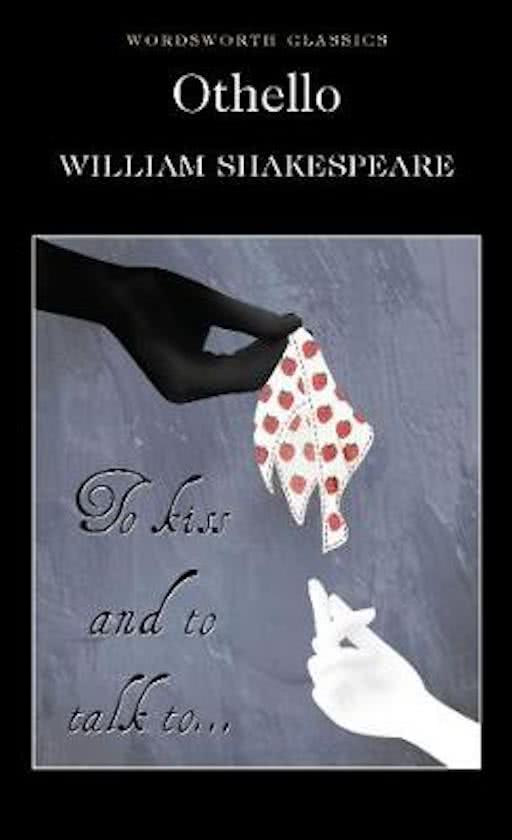
Betrayal and Death: The bed becomes the site of Desdemona's murder, transforming from a
symbol of love to one of betrayal and tragedy. Othello's choice to kill Desdemona on their wedding
bed is significant; it suggests that he sees her alleged infidelity as a violation of their marriage,
warranting punishment in the very place where their union was solidified. Othello's words, "It is the
cause, it is the cause, my soul" , indicate his twisted justification for the murder, believing he is
preserving the sanctity of marriage by punishing Desdemona’s perceived betrayal.
Tragic Irony: The tragic irony is that the bed, meant to be a place of love and union, becomes the
site of Desdemona's death, symbolizing the complete destruction of their marriage. This shift
underscores the play's exploration of how love can be corrupted by jealousy and mistrust.
THEME: LOVE
Love is a powerful force that can inspire great passion and devotion but also lead to devastating
consequences when corrupted by external influences.
Othello and Desdemona’s Love: The love between Othello and Desdemona is intense and genuine,
transcending social and racial barriers. Othello’s recounting of how their love began highlights its
depth: "She loved me for the dangers I had passed, And I loved her that she did pity them". Their
love is depicted as something pure, yet it is also fragile, easily undermined by jealousy and
insecurity.
“But that I love the gentle Desdemona, / I would not my unhoused free condition, Put into
circumscription and confine / For the sea’s worth. But look what lights come yond! -
Demonstrates the strength and power of Othello’s love for Desdemona. It also demonstrates
Elizabethan views on marriage and love, a lover can never have enough of the embraces of their
beloved. Further, Othello says he simply loves Desdemona; he wouldn't have given up his
freedom as a bachelor for anything less.
Iago’s Manipulation of Love: Iago manipulates Othello’s love for Desdemona, turning it into a
source of vulnerability. By insinuating that Desdemona is unfaithful, Iago corrupts Othello’s
perception of their love, leading him to believe that his affection is misplaced. Iago’s cynical view of
love contrasts sharply with the idealised love Othello and Desdemona share at the play’s beginning.
Desdemona’s Love: Desdemona’s love for Othello is steadfast and unconditional. She remains
devoted to him even as he becomes increasingly jealous and abusive. Her love is characterised by
loyalty and forgiveness, as seen when she continues to defend Othello’s honour even as he
prepares to kill her: "And yet I fear you; for you’re fatal then When your eyes roll so" . Desdemona’s
love is pure, yet it becomes a source of her tragic demise.
The Power of Love - Othello and Desdemona
In Othello, love is depicted as a powerful, transformative, and ultimately destructive force. The love
between Othello and Desdemona is central to the play, but it becomes tainted by jealousy, insecurity,
and manipulation.
Othello and Desdemona: Their love is initially portrayed as pure and passionate. Othello's
declaration, "She loved me for the dangers I had passed, And I loved her that she did pity them",
highlights how their love transcends societal norms, as Othello is a Moor and an outsider in
Venetian society. Their love is also portrayed as a source of strength, particularly for Othello, who
finds in Desdemona a refuge from the racial prejudice he faces.
Jealousy and Insecurity: Despite the strength of their love, Othello's deep-seated insecurities are
exploited by Iago, who plants seeds of doubt in Othello’s mind. The power of love turns
destructive as it becomes intertwined with jealousy. Othello's tragic flaw—his vulnerability to
jealousy—is evident in his words, "O, beware, my lord, of jealousy; It is the green-eyed monster
which doth mock the meat it feeds on". This jealousy consumes Othello and transforms his love
for Desdemona into hatred and mistrust.
Desdemona’s Love and Loyalty: Desdemona’s love for Othello remains steadfast, even as he
descends into jealousy and rage. Her loyalty is poignantly depicted in her final moments when she
refuses to blame Othello for her impending death, instead stating, "Nobody; I myself. Farewell”.
Desdemona's unwavering love and innocence starkly contrast Othello's misguided actions,
highlighting the tragic nature of their relationship.
, Doomed Love
The love in Othello is ultimately doomed, tainted by external forces and internal flaws. The play
explores how love can be destroyed by jealousy, insecurity, and manipulation, leading to tragic
outcomes.
Othello’s Tragic Flaw: Othello’s love for Desdemona is doomed because of his tragic flaw—his
susceptibility to jealousy. Iago’s manipulations prey on Othello’s insecurities, turning his love into a
destructive force. Othello’s tragic realization of his error comes too late: "O fool, fool, fool!" . His
love, once a source of strength, becomes his undoing.
“And when I love thee not, chaos is come again”
Desdemona’s Fate: Desdemona’s love is equally doomed. Despite her innocence and fidelity, she
becomes a victim of Othello’s misguided jealousy. Her tragic fate highlights the vulnerability of
love in a world where trust is easily undermined. Desdemona’s death is a poignant reminder of the
fragility of love when it is not nurtured by trust and understanding.
Iago’s Role in Dooming Love: Iago plays a pivotal role in dooming the love between Othello and
Desdemona. His ability to manipulate Othello’s perception of love reveals the destructive power of
deceit. Iago’s actions lead to the unraveling of Othello and Desdemona’s marriage, demonstrating
how easily love can be destroyed by external manipulation.
Unconditional Love
Unconditional love in Othello is depicted through Desdemona’s unwavering devotion to Othello, even
in the face of his unjust accusations and violent behavior. This form of love is portrayed as noble but
also tragically unreciprocated, highlighting the complexities of human relationships.
Desdemona’s Loyalty: Desdemona’s love for Othello is unconditional, characterized by her
unwavering loyalty. Even when Othello accuses her of infidelity and becomes abusive, Desdemona
remains committed to him. Her unconditional love is evident when she says, "His unkindness may
defeat my life, But never taint my love". This statement captures the depth of her love and her
willingness to endure suffering for Othello’s sake.
Tragic Consequences of Unconditional Love: Desdemona’s unconditional love is ultimately tragic
because it is not reciprocated. Othello’s jealousy blinds him to Desdemona’s fidelity, leading him to
believe that she has betrayed him. The tragic irony is that Desdemona’s love is pure and
unwavering, yet it leads to her death at the hands of the man she loves. Othello’s realization of her
innocence comes too late, highlighting the tragedy of her unrequited and misunderstood love.
Emilia’s Unconditional Love: Emilia, Iago’s wife, also exhibits a form of unconditional love, though
it is more complex and conflicted. Initially, she seeks to please Iago, even unwittingly helping him
with his scheme by giving him Desdemona’s handkerchief. However, Emilia’s love for Desdemona
ultimately surpasses her loyalty to Iago. When she realizes the extent of Iago’s treachery, she
exposes his plot, declaring, "I will not charm my tongue; I am bound to speak". Emilia’s love for
Desdemona and her sense of justice lead her to sacrifice her life, underscoring the theme of
unconditional love as a force of truth and integrity.
.Symbols of love - the Wedding Bed
Sanctity of Marriage: The bed initially symbolizes the sanctity and intimacy of Othello and
Desdemona's marriage. The consummation of their marriage takes place offstage, but the bed
remains a potent symbol of their union. However, as the play progresses, the bed's symbolism
darkens, reflecting the unraveling of their relationship.
Betrayal and Death: The bed becomes the site of Desdemona's murder, transforming from a
symbol of love to one of betrayal and tragedy. Othello's choice to kill Desdemona on their wedding
bed is significant; it suggests that he sees her alleged infidelity as a violation of their marriage,
warranting punishment in the very place where their union was solidified. Othello's words, "It is the
cause, it is the cause, my soul" , indicate his twisted justification for the murder, believing he is
preserving the sanctity of marriage by punishing Desdemona’s perceived betrayal.
Tragic Irony: The tragic irony is that the bed, meant to be a place of love and union, becomes the
site of Desdemona's death, symbolizing the complete destruction of their marriage. This shift
underscores the play's exploration of how love can be corrupted by jealousy and mistrust.