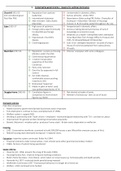
Churchill 1951-55 ☺ Reputation from wartime Uninterested in domestic affairs.
(not considered great leadership. Serious ailments- stroke 1953.
Post-War PM) ☺ International statesman. Absenteeism (Eden-acting PM, Butler- Chancellor of
☺ Able ministers- Eden, Butler, Exchequer + Macmillan- Minister of Housing)
Macmillan. Tension: E, B, M-rivalries lasted throughout 13y rule.
Eden 1955-57 ☺ High sense of optimism. Inexperienced in domestic affairs.
☺ Foreign policy expert (ironically Anxious-making decisions/conscious of lack of
his downfall was foreign knowledge on economic issues.
affairs). Weakness as a leader- exemplified when attempted
☺ Experienced- Churchill’s move Macmillan from Foreign Office to Treasury Oct
deputy. 1955- M refused/delayed till December.
☺ Charming/popular. Suez Crisis- damaged reputation- accused of lying in
House of Commons/attacked from Labour/press.
Ill health.
Macmillan 1957-63 ☺ Reputation- success as Housing Divisive/ unpopular with some colleagues.
Minister under Churchill.
☺ Calm/reassuring presence.
☺ 1-nation Conservative
supportive of Post War
Consensus.
☺ Party unity restored.
☺ Over the 5ys appeared in full
control.
☺ Oct 1959- Election-
comfortable victory-pushing
majority to 100.
☺ Nicknamed ‘Supermac’.
☺ Media in palm of hand- used
new political opportunity of TV.
Douglas-Home 1963-65 ☺ Conciliatory figure in Not elected as leader of party.
comparison to more divisive Member of aristocracy- seen as out of touch.
figures e.g. Butler.
Domestic policies
Post-War consensus:
o Mixed economy- government/private businesses action important.
o Full employment- contrast to mass unemployment of 1930s.
o Welfare system + support NHS.
o Working in partnership with Trade Unions + employers- maintained good relationship with TU’s- contrast to Labour.
o Improvement for general workers boosting Conservative popularity.
o Barnett (Historian)- mistaken policy- produced ‘nanny state’- Britain overly dependent on welfarism.
Housing
o 1951- Conservative manifesto- promised to build 300,000 houses a year (Macmillan oversaw success of this).
o Rebuilt housing stock destroyed during war + replaced slums.
Education- tripartite system continued- Butler Act 1944.
o Financial restraints under Conservatives- most schools were either grammar/secondary modern.
o 1960s- fairness of system being questioned.
Social reforms
o Clean Air Act- 1956- prevent the smog of the early 1950s.
o Housing/Factory Acts- improve living and working conditions.
o Butler-Home Secretary- more liberal- action taken on social issues e.g. homosexuality and death penalty.
o Homicide Act 1957- restricted death penalty being imposed.
o Wolfenden Commission 1957 –homosexual behaviour-no longer be criminal act.
o Welfare + NHS continued to be funded.
(not considered great leadership. Serious ailments- stroke 1953.
Post-War PM) ☺ International statesman. Absenteeism (Eden-acting PM, Butler- Chancellor of
☺ Able ministers- Eden, Butler, Exchequer + Macmillan- Minister of Housing)
Macmillan. Tension: E, B, M-rivalries lasted throughout 13y rule.
Eden 1955-57 ☺ High sense of optimism. Inexperienced in domestic affairs.
☺ Foreign policy expert (ironically Anxious-making decisions/conscious of lack of
his downfall was foreign knowledge on economic issues.
affairs). Weakness as a leader- exemplified when attempted
☺ Experienced- Churchill’s move Macmillan from Foreign Office to Treasury Oct
deputy. 1955- M refused/delayed till December.
☺ Charming/popular. Suez Crisis- damaged reputation- accused of lying in
House of Commons/attacked from Labour/press.
Ill health.
Macmillan 1957-63 ☺ Reputation- success as Housing Divisive/ unpopular with some colleagues.
Minister under Churchill.
☺ Calm/reassuring presence.
☺ 1-nation Conservative
supportive of Post War
Consensus.
☺ Party unity restored.
☺ Over the 5ys appeared in full
control.
☺ Oct 1959- Election-
comfortable victory-pushing
majority to 100.
☺ Nicknamed ‘Supermac’.
☺ Media in palm of hand- used
new political opportunity of TV.
Douglas-Home 1963-65 ☺ Conciliatory figure in Not elected as leader of party.
comparison to more divisive Member of aristocracy- seen as out of touch.
figures e.g. Butler.
Domestic policies
Post-War consensus:
o Mixed economy- government/private businesses action important.
o Full employment- contrast to mass unemployment of 1930s.
o Welfare system + support NHS.
o Working in partnership with Trade Unions + employers- maintained good relationship with TU’s- contrast to Labour.
o Improvement for general workers boosting Conservative popularity.
o Barnett (Historian)- mistaken policy- produced ‘nanny state’- Britain overly dependent on welfarism.
Housing
o 1951- Conservative manifesto- promised to build 300,000 houses a year (Macmillan oversaw success of this).
o Rebuilt housing stock destroyed during war + replaced slums.
Education- tripartite system continued- Butler Act 1944.
o Financial restraints under Conservatives- most schools were either grammar/secondary modern.
o 1960s- fairness of system being questioned.
Social reforms
o Clean Air Act- 1956- prevent the smog of the early 1950s.
o Housing/Factory Acts- improve living and working conditions.
o Butler-Home Secretary- more liberal- action taken on social issues e.g. homosexuality and death penalty.
o Homicide Act 1957- restricted death penalty being imposed.
o Wolfenden Commission 1957 –homosexual behaviour-no longer be criminal act.
o Welfare + NHS continued to be funded.