WS 6 - Agency
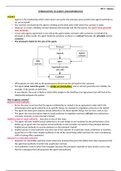
INTRODUCTION TO AGENCY AND DISTRIBUTION
AGENCY
Agency is the relationship which arises where one party, the principal, gives another (the agent) authority to
act on his behalf.
Any contract concluded by the agent is binding on the third party with whom the contract is made.
However, to create a binding contract between the principle and the third party, the agent must generally
have authority.
A true sales agency agreement is one where the agent makes contracts with customers on behalf of its
principal; in other words, the agent binds the principal, so there is a contract between the principal and the
customer.
The principal is liable for the acts of his agent.
When goods are sold, title to the goods passes direct from the principal to the customer.
The agent never owns the goods – it is simply an intermediary, and so will not generally incur liability, for
example, if the goods are defective.
In any dispute, the court is likely to attach little weight to the labelling of an agreement but will look at the
relationship between the parties.
How is agency created?
Express actual authority
By far the most usual way that the agency relationship is created is by an agreement under which the
principal gives the agent authority to do specific things, for example to negotiate contracts on his behalf.
The agent has been given express actual authority to do these specific things, but no more, and no less.
The agent who has been given express actual authority to negotiate contracts will not have authority to
conclude contracts on the principal’s behalf.
Implied actual or usual authority – may arise in one of two ways:
1. The agent will have implied actual authority to do such things as are incidental to the performance of his
duties, eg an agent who has express actual authority to sell cosmetics on behalf of the principal will have
implied actual authority to receive payment on the principal’s behalf.
2. Implied actual or usual authority may arise out of the customs of a particular trade, profession or business,
eg partners in a firm have implied authority to do all the usual things which partners do, such a employing
staff or buying office equipment.
Apparent or ostensible authority
Apparent (or ostensible) authority arises where the principal has given the distinct but false impression that
the agent had authority to enter into a particular contract.
Such authority is said to arise from estoppel, because the principal is deemed to have acted in such a way
that he is estopped from denying that the agent had authority.
, WS 6 - Agency
There are three criteria which must be met for an agency by estoppel to arise. These come from the case of
Freeman & Lockyer v Buckhurst Park Properties (Mangal) Ltd [1964] 2 QB 480:
(a) the principal must at some stage have represented (by words or by conduct) that the agent had authority;
(b) the third party must rely on that representation, believing that the agent had authority; and
(c) the third party must alter his position, e.g. by entering into the transaction. This is particularly important
where an agent has been expressly told not to make contracts of a type that someone in his position would
normally have authority to make.
Ratification
Where someone purports to act as an agent, but has no authority, or has exceeded his authority, then,
subject to certain restrictions, the principal may ratify the unauthorised acts of the agent.
Ratification retrospectively creates actual authority, and goes back to when the unauthorised acts were
carried out.
EFFECTS OF AGENCY
Where the agent had actual authority
(a) As between the principal and the third party: There is a contract between the principal and the third party
and each party can sue the other on it.
(b) As between the agent and the third party: The contract made by the agent is the contract of the principal.
The agent drops out of the picture, in other words acquires no rights or liabilities under the contract, and the
contract takes effect between the principal and the third party.
Where the agent had apparent authority
(a) As between the principal and the third party: There is a contract between the principal and the third party,
and each party can sue the other on it. The principal will be estopped from denying that there was a
contract.
(b) As between the agent and the third party: as above, there is a contract between the principal and the third
party, and the agent drops out of the picture.
(c) As between the principal and the agent: the principal may be able to bring an action against the agent if the
agent has acted outside of his authority.
Where the agent had no authority
(a) As between the principal and the third party: there is no contract between the principal and the third party,
because the agent did not have authority to bind the principal.
(b) As between the agent and the third party: the third party may sue the agent in deceit, where the agent knew
that he had no authority, or for breach of warranty of authority, ie the third party can bring an action for
damages against the agent. The third party cannot sue the agent for breach of contract, as he has purported
to contract on behalf of the principal, and not on his own behalf.
(c) As between the principal and the agent: the agent may be liable to the principal if the principal suffers loss as
a result.
Undisclosed principal
Under most circumstances, the agent will disclose the name of the principal and that he is acting as an
agent.
Where he does not, the third party can hold the agent liable as though he were the principal, but has the
option to hold the principal liable.
The principal may in turn hold the third party liable on the contract.
DISTRIBUTION
In a distribution agreement, the supplier sells goods to the distributor, which buys them in order to re-sell on
its own behalf.
A common example of a distribution agreement is where a manufacturer sells its products to a wholesaler,
which buys them to sell to its own customers to retail onwards; the relationship between manufacturer and
wholesaler is a distribution agreement.
INTRODUCTION TO AGENCY AND DISTRIBUTION
AGENCY
Agency is the relationship which arises where one party, the principal, gives another (the agent) authority to
act on his behalf.
Any contract concluded by the agent is binding on the third party with whom the contract is made.
However, to create a binding contract between the principle and the third party, the agent must generally
have authority.
A true sales agency agreement is one where the agent makes contracts with customers on behalf of its
principal; in other words, the agent binds the principal, so there is a contract between the principal and the
customer.
The principal is liable for the acts of his agent.
When goods are sold, title to the goods passes direct from the principal to the customer.
The agent never owns the goods – it is simply an intermediary, and so will not generally incur liability, for
example, if the goods are defective.
In any dispute, the court is likely to attach little weight to the labelling of an agreement but will look at the
relationship between the parties.
How is agency created?
Express actual authority
By far the most usual way that the agency relationship is created is by an agreement under which the
principal gives the agent authority to do specific things, for example to negotiate contracts on his behalf.
The agent has been given express actual authority to do these specific things, but no more, and no less.
The agent who has been given express actual authority to negotiate contracts will not have authority to
conclude contracts on the principal’s behalf.
Implied actual or usual authority – may arise in one of two ways:
1. The agent will have implied actual authority to do such things as are incidental to the performance of his
duties, eg an agent who has express actual authority to sell cosmetics on behalf of the principal will have
implied actual authority to receive payment on the principal’s behalf.
2. Implied actual or usual authority may arise out of the customs of a particular trade, profession or business,
eg partners in a firm have implied authority to do all the usual things which partners do, such a employing
staff or buying office equipment.
Apparent or ostensible authority
Apparent (or ostensible) authority arises where the principal has given the distinct but false impression that
the agent had authority to enter into a particular contract.
Such authority is said to arise from estoppel, because the principal is deemed to have acted in such a way
that he is estopped from denying that the agent had authority.
, WS 6 - Agency
There are three criteria which must be met for an agency by estoppel to arise. These come from the case of
Freeman & Lockyer v Buckhurst Park Properties (Mangal) Ltd [1964] 2 QB 480:
(a) the principal must at some stage have represented (by words or by conduct) that the agent had authority;
(b) the third party must rely on that representation, believing that the agent had authority; and
(c) the third party must alter his position, e.g. by entering into the transaction. This is particularly important
where an agent has been expressly told not to make contracts of a type that someone in his position would
normally have authority to make.
Ratification
Where someone purports to act as an agent, but has no authority, or has exceeded his authority, then,
subject to certain restrictions, the principal may ratify the unauthorised acts of the agent.
Ratification retrospectively creates actual authority, and goes back to when the unauthorised acts were
carried out.
EFFECTS OF AGENCY
Where the agent had actual authority
(a) As between the principal and the third party: There is a contract between the principal and the third party
and each party can sue the other on it.
(b) As between the agent and the third party: The contract made by the agent is the contract of the principal.
The agent drops out of the picture, in other words acquires no rights or liabilities under the contract, and the
contract takes effect between the principal and the third party.
Where the agent had apparent authority
(a) As between the principal and the third party: There is a contract between the principal and the third party,
and each party can sue the other on it. The principal will be estopped from denying that there was a
contract.
(b) As between the agent and the third party: as above, there is a contract between the principal and the third
party, and the agent drops out of the picture.
(c) As between the principal and the agent: the principal may be able to bring an action against the agent if the
agent has acted outside of his authority.
Where the agent had no authority
(a) As between the principal and the third party: there is no contract between the principal and the third party,
because the agent did not have authority to bind the principal.
(b) As between the agent and the third party: the third party may sue the agent in deceit, where the agent knew
that he had no authority, or for breach of warranty of authority, ie the third party can bring an action for
damages against the agent. The third party cannot sue the agent for breach of contract, as he has purported
to contract on behalf of the principal, and not on his own behalf.
(c) As between the principal and the agent: the agent may be liable to the principal if the principal suffers loss as
a result.
Undisclosed principal
Under most circumstances, the agent will disclose the name of the principal and that he is acting as an
agent.
Where he does not, the third party can hold the agent liable as though he were the principal, but has the
option to hold the principal liable.
The principal may in turn hold the third party liable on the contract.
DISTRIBUTION
In a distribution agreement, the supplier sells goods to the distributor, which buys them in order to re-sell on
its own behalf.
A common example of a distribution agreement is where a manufacturer sells its products to a wholesaler,
which buys them to sell to its own customers to retail onwards; the relationship between manufacturer and
wholesaler is a distribution agreement.