

Observations in Rodents
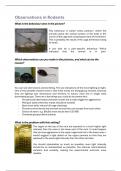
What is the behaviour seen in the picture?
This behaviour is called “press posture”, where the
animals place the ventral surface of the body in the
corner of the cage and a subsequent lack of movement.
This is probably the result of the cage dimension being
to small.
It can also be a pain-specific behaviour. Which
indicates that the animal is in pain.
Which observations can you make in the pictures, and what can be the
reason?
You can see skin lesions and tail biting. This are indications of the mice fighting at night.
One of the possible reasons here is that male mices are being group housed, because
they are fighting over dominance and territory. In nature, mice live in single male
dominated groups. There are a few things you could do to prevent this:
- Grouphouse littermates (unknown scents are a major trigger for aggression)
- Mixing of adult unfamiliar males should be avoided
- Spot clean daily, reduce full cage cleanings
- Provide environmental enrichment so that they can escape from each other
- Choice of strain: e.g. BALB/c more docile than C57/Bl6
- Compose groups before puberty
What is the problem with this setting?
The cages on the top of the rack are exposed to a much higher light
intensity then the ones in the lower part of the rack. It could happen
that you see aggression in the upper cages and not in the lower ones. I
would suggest a light shield on the upper pannels so that they are
exposed to the same light intensity then the other animals.
You should standardize as much as possible, even light intensity
should be as standardized as possible, this reduces interindividual
variation and variabily, making the experimental outcome more
reliable.
,What can you see here, and what is could be the cause of this?
This is a mouse with malocclusion, this happens when a mouse does not get the
oppurtinity to masticate (chew on hard material). The reason maloclussion happens is
because mice are hypsodonts, which means that their teeth keep growing through-out
their life.
For this reason, always make sure that there is enrichment in the cage for chewing, so
that maloclussion can be avoided!
What can you see here?
You can see the 4 stages of estrous: when the animal is in oestrus, the animal will allow
mating, the vulva of the animals will be swolen (oestrus in B, vulva is more open). This
indicates that the animal is receptive for mating, outside that period they don’t allow
mating.
A = proestrus
B = estrus
C = metestrus
D = diestrus
, What can you observe in the picture on the left? And how is the vaginal plug
formed?
On the left picture, you can see a female that is in proestrus, the vulva is already a little
bit more open and is getting receptive for mating. On the right picture you can see the
vaginal plug. The vaginal plug is formed by the secretions of the coagulation gland of the
male. The coagulation gland will produce a very protein rich secretion that will clott in the
female after coitus. This clott is the vaginal plug that seals of the vulva of the female.
Remark: often only seen the first time that a female has mated. If the female mated more
than once you should do a vaginal swab and look at the cytology.
What is wrong with these mice?
Infected with ectoparasites = mite infestation (mites are the white dots seen in picture C)
Symptoms are: irritation, pruritis (itch), self-mutilation, dermatitis
The animals will also have hair loss and thinner hair, as can bee seen in picture A. Often
results in chronic inflammatory responses, which can affect the results.
What is the behaviour seen in the picture?
This behaviour is called “press posture”, where the
animals place the ventral surface of the body in the
corner of the cage and a subsequent lack of movement.
This is probably the result of the cage dimension being
to small.
It can also be a pain-specific behaviour. Which
indicates that the animal is in pain.
Which observations can you make in the pictures, and what can be the
reason?
You can see skin lesions and tail biting. This are indications of the mice fighting at night.
One of the possible reasons here is that male mices are being group housed, because
they are fighting over dominance and territory. In nature, mice live in single male
dominated groups. There are a few things you could do to prevent this:
- Grouphouse littermates (unknown scents are a major trigger for aggression)
- Mixing of adult unfamiliar males should be avoided
- Spot clean daily, reduce full cage cleanings
- Provide environmental enrichment so that they can escape from each other
- Choice of strain: e.g. BALB/c more docile than C57/Bl6
- Compose groups before puberty
What is the problem with this setting?
The cages on the top of the rack are exposed to a much higher light
intensity then the ones in the lower part of the rack. It could happen
that you see aggression in the upper cages and not in the lower ones. I
would suggest a light shield on the upper pannels so that they are
exposed to the same light intensity then the other animals.
You should standardize as much as possible, even light intensity
should be as standardized as possible, this reduces interindividual
variation and variabily, making the experimental outcome more
reliable.
,What can you see here, and what is could be the cause of this?
This is a mouse with malocclusion, this happens when a mouse does not get the
oppurtinity to masticate (chew on hard material). The reason maloclussion happens is
because mice are hypsodonts, which means that their teeth keep growing through-out
their life.
For this reason, always make sure that there is enrichment in the cage for chewing, so
that maloclussion can be avoided!
What can you see here?
You can see the 4 stages of estrous: when the animal is in oestrus, the animal will allow
mating, the vulva of the animals will be swolen (oestrus in B, vulva is more open). This
indicates that the animal is receptive for mating, outside that period they don’t allow
mating.
A = proestrus
B = estrus
C = metestrus
D = diestrus
, What can you observe in the picture on the left? And how is the vaginal plug
formed?
On the left picture, you can see a female that is in proestrus, the vulva is already a little
bit more open and is getting receptive for mating. On the right picture you can see the
vaginal plug. The vaginal plug is formed by the secretions of the coagulation gland of the
male. The coagulation gland will produce a very protein rich secretion that will clott in the
female after coitus. This clott is the vaginal plug that seals of the vulva of the female.
Remark: often only seen the first time that a female has mated. If the female mated more
than once you should do a vaginal swab and look at the cytology.
What is wrong with these mice?
Infected with ectoparasites = mite infestation (mites are the white dots seen in picture C)
Symptoms are: irritation, pruritis (itch), self-mutilation, dermatitis
The animals will also have hair loss and thinner hair, as can bee seen in picture A. Often
results in chronic inflammatory responses, which can affect the results.


