SYSTEM PROJECT IDENTIFICATION AND SELECTION
1. Identifying potential development projects. Organizations vary as to how they identify
projects. This process can be performed by:
• A key member of top management, either the CEO of a small or medium-size
organization or a senior executive in a larger organization
• A steering committee, composed of a cross section of managers with an interest in
systems
• User departments, in which either the head of the requesting unit or a committee from the
requesting department decides which projects to submit (as a systems analyst, you will
help users prepare such requests)
• The development group or a senior IS manager
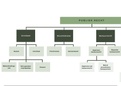
Each identification method has strengths and weaknesses. For example, projects identified by top
management have a strategic organizational focus. Alternatively, projects identified by steering
committees reflect the diversity of the committee and therefore have a cross-functional focus.
Projects identified by individual departments or business units have a narrow, tactical focus. The
development group identifies projects based on the ease with which existing hardware and
systems will integrate with the proposed project. Other factors, such as project cost, duration,
complexity, and risk, also influence the people who identify a project.
Of all the possible project sources, those identified by top management and steering committees
most often reflect the broader needs of the organization. These groups have a better understanding
of overall business objectives and constraints. Projects identified by top management or by a
diverse steering committee are therefore referred to as coming from a top-down source.
Projects identified by a functional manager, a business unit, or the information systems
development group are often designed for a particular business need within a given business unit
and may not reflect the overall objectives of the organization. It’s not that projects identified by
individual managers, business units, or the IS development group are deficient, but rather that
they may not consider broader organizational issues. Project initiatives stemming from managers,
business units, or the development group are referred to as coming from a bottom-up source. As
a systems analyst, you provide ongoing support for users of these types of projects and are
involved early in the life cycle. You help managers describe their information needs and the
reasons for doing the project. These descriptions are evaluated in selecting which projects will be
approved to move into the project initiation and planning activities.
,In sum, projects are identified by both top-down and bottom-up initiatives. The formality of
identifying and selecting projects can vary substantially across organizations.
Common Characteristics of Alternative Methods for Making
Information Systems Identification and Selection Decisions
Because limited resources preclude the development of all proposed systems, most organizations
have some process of classifying and ranking each project’s merit. Those projects deemed to be
inconsistent with overall organizational objectives, redundant in functionality to some existing
system, or unnecessary will not be considered.
2. Classifying and ranking IS development projects. Assessing the merit of potential projects
is the second major activity in the project identification and selection phase. As with project
identification, classifying and ranking projects can be performed by top managers, a steering
committee, business units, or the IS development group. The criteria used to assign the merit of a
given project can vary based on the size of the organization.
As with project identification, the criteria used to evaluate projects will vary by organization. If,
for example, an organization uses a steering committee, it may choose to meet monthly or
quarterly to review projects and use a wide variety of evaluation criteria. At these meetings, new
project requests are reviewed relative to projects already identified, and ongoing projects are
monitored. The relative ratings of projects are used to guide the final activity of this identification
process—project selection.
3. Selecting IS development projects. The selection of projects is the final activity in the project
identification and selection phase. The short- and long-term projects most likely to achieve
business objectives are considered. As business conditions change over time, the relative
importance of any single project may substantially change. Thus, the identification and selection
of projects is an important and ongoing activity.
,Numerous factors must be considered when selecting a project.
These factors include:
• Perceived needs of the organization
• Existing systems and ongoing projects
• Resource availability
• Evaluation criteria
• Current business conditions
• Perspectives of the decision makers
Possible Evaluation Criteria When Classifying and Ranking Projects
, Numerous factors must be considered when selecting a project.
Decisions can result in one of seven outcomes.
This decision-making process can lead to numerous outcomes. Of course, projects can be
accepted or rejected. Acceptance of a project usually means that funding to conduct the next
SDLC activity has been approved. Rejection means that the project will no longer be considered
for development. However, projects may also be conditionally accepted; projects may be
accepted pending the approval or availability of needed resources or the demonstration that a
particularly difficult aspect of the system can be developed. Projects may also be returned to the
original requesters who are told to develop or purchase the requested system themselves. Finally,
the requesters of a project may be asked to modify and resubmit their request after making
suggested changes or clarifications.
1. Identifying potential development projects. Organizations vary as to how they identify
projects. This process can be performed by:
• A key member of top management, either the CEO of a small or medium-size
organization or a senior executive in a larger organization
• A steering committee, composed of a cross section of managers with an interest in
systems
• User departments, in which either the head of the requesting unit or a committee from the
requesting department decides which projects to submit (as a systems analyst, you will
help users prepare such requests)
• The development group or a senior IS manager
Each identification method has strengths and weaknesses. For example, projects identified by top
management have a strategic organizational focus. Alternatively, projects identified by steering
committees reflect the diversity of the committee and therefore have a cross-functional focus.
Projects identified by individual departments or business units have a narrow, tactical focus. The
development group identifies projects based on the ease with which existing hardware and
systems will integrate with the proposed project. Other factors, such as project cost, duration,
complexity, and risk, also influence the people who identify a project.
Of all the possible project sources, those identified by top management and steering committees
most often reflect the broader needs of the organization. These groups have a better understanding
of overall business objectives and constraints. Projects identified by top management or by a
diverse steering committee are therefore referred to as coming from a top-down source.
Projects identified by a functional manager, a business unit, or the information systems
development group are often designed for a particular business need within a given business unit
and may not reflect the overall objectives of the organization. It’s not that projects identified by
individual managers, business units, or the IS development group are deficient, but rather that
they may not consider broader organizational issues. Project initiatives stemming from managers,
business units, or the development group are referred to as coming from a bottom-up source. As
a systems analyst, you provide ongoing support for users of these types of projects and are
involved early in the life cycle. You help managers describe their information needs and the
reasons for doing the project. These descriptions are evaluated in selecting which projects will be
approved to move into the project initiation and planning activities.
,In sum, projects are identified by both top-down and bottom-up initiatives. The formality of
identifying and selecting projects can vary substantially across organizations.
Common Characteristics of Alternative Methods for Making
Information Systems Identification and Selection Decisions
Because limited resources preclude the development of all proposed systems, most organizations
have some process of classifying and ranking each project’s merit. Those projects deemed to be
inconsistent with overall organizational objectives, redundant in functionality to some existing
system, or unnecessary will not be considered.
2. Classifying and ranking IS development projects. Assessing the merit of potential projects
is the second major activity in the project identification and selection phase. As with project
identification, classifying and ranking projects can be performed by top managers, a steering
committee, business units, or the IS development group. The criteria used to assign the merit of a
given project can vary based on the size of the organization.
As with project identification, the criteria used to evaluate projects will vary by organization. If,
for example, an organization uses a steering committee, it may choose to meet monthly or
quarterly to review projects and use a wide variety of evaluation criteria. At these meetings, new
project requests are reviewed relative to projects already identified, and ongoing projects are
monitored. The relative ratings of projects are used to guide the final activity of this identification
process—project selection.
3. Selecting IS development projects. The selection of projects is the final activity in the project
identification and selection phase. The short- and long-term projects most likely to achieve
business objectives are considered. As business conditions change over time, the relative
importance of any single project may substantially change. Thus, the identification and selection
of projects is an important and ongoing activity.
,Numerous factors must be considered when selecting a project.
These factors include:
• Perceived needs of the organization
• Existing systems and ongoing projects
• Resource availability
• Evaluation criteria
• Current business conditions
• Perspectives of the decision makers
Possible Evaluation Criteria When Classifying and Ranking Projects
, Numerous factors must be considered when selecting a project.
Decisions can result in one of seven outcomes.
This decision-making process can lead to numerous outcomes. Of course, projects can be
accepted or rejected. Acceptance of a project usually means that funding to conduct the next
SDLC activity has been approved. Rejection means that the project will no longer be considered
for development. However, projects may also be conditionally accepted; projects may be
accepted pending the approval or availability of needed resources or the demonstration that a
particularly difficult aspect of the system can be developed. Projects may also be returned to the
original requesters who are told to develop or purchase the requested system themselves. Finally,
the requesters of a project may be asked to modify and resubmit their request after making
suggested changes or clarifications.