APPROACHES NOTES
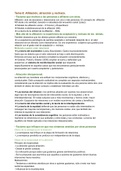
PSYCHOLOGY AS A SCIENCE
- PSYCHOLOGY- the scientific study of the human mind and its
functions affecting behaviour
- SCIENCE- a way of gaining knowledge through systematic and
objective investigation to discover general laws
- Psychology has come from a timeline of people and events
(philosophy to Sigmund Freud to an experimental lab being opened
to Watson and skinner to the cognitive approach to biological
approach to cog neuroscience
- WUNDT DEVELOPMENT OF INTROSPECTION AIM- William Wundt
created the first scientific lab in 1879 in geramany where his goal
was to document and describe the nature of human consciousness
and to accomplish this, he created the method of introspection
- INTROSPECTION METHOD- wundt recording his own thoughts in
response to various stimuli in a controlled setting. Introspection
breaks up conscious awareness into basic structure of potential
thoughts, images and sensations. The highly controlled setting and
standardised instructions allowed for the method to be replicated.
- BEHAVIOURISM IN PSYCHOLOGY AND CRITISCISMS OF WUNDTS
METHODS- Watson and skinner were behaviourist psychologists who
argued the data produced by introspection was too subjective.
- COGNITIVE NEUROSCIENCE- includes computers, advanced scientific
research, advanced technology in biology and medicine and
advanced knowledge and experimental methods of the brain
THE BEHAVIOURIST APPROACH AO1
- KEY ASSUMPTION- basic processes of learning is the same in all
species
- Focused on behaviour that can be observed and measured
- CLASSICAL CONDITIONING- assumes behaviour is learnt through
association that occurs by an unconditioned response to an
unconditioned stimulus can be paired with a neutral stimulus to
create a conditioned response. Over time the neutral stimulus then
becomes a conditioned stimulus which elicits a conditioned
response
- PAVLOVS RESEARCH- aimed to learn how dogs salivate. He
predicted dogs would salivate in response to the food in front of
them but he noticed his dogs would salivate from his footsteps
bringing them food. He found dogs can be manipulated as to how
they learn as he figured any object that the dogs associate with food
, can be used to trigger the same response in salivating. This
concluded humans can learn through association
- OPERANT CONDITIONING- assumes behaviour is learnt through
reinforcement. Reinforcers make the behaviour more likely to
repeat eg positive reinforcement is the behaviour being repeated to
receive a reward and negative reinforcement is the behaviour being
repeated to avoid an unpleasant experience. Punishment means
behaviour is met with an unpleasant experience, therefore stopping
the behaviour
- SKINNERS RATS- experiment A: the rat learned to press the lever to
receive a pellet eg pos reinforcement. Experiment B: the rat learned
to press the lever to avoid an electric shock eg negative
reinforcement
BEHAVIOURIST APPROACH AO3
STRENGTH:
- Real life application
- Concepts of operant and classical conditioning have been applied to
many areas of life eg treatment of phobias
- Systemic desensitisation is a behaviourist therapy that aims to
counter condition a phobia using the assumptions of conditioning
- This is where the patient learns to associate the phobic stimulus eg
spiders with the feelings of calm instead of panic
LIMITATION
- Simplistic view of behaviour
- Assumes humans and animals are passive responders to their
environment
- Ignores mental processes which allow us to mediate the effect the
environment has on us eg when we are angry we may not respond
to punishment or reward
- Also assumes all behaviour is deermined by past experiences with
the environment
- This creates a ‘its not my fault’ mindset as skinner believed free will
was an illusion
- Therefore further strengthens the simplistic view
LIMITATION
- Ethical and practical issues
- Many of the studies used in this theory use animals as ppts
- Often these place the animal under distress and have been labelled
as unethical
PSYCHOLOGY AS A SCIENCE
- PSYCHOLOGY- the scientific study of the human mind and its
functions affecting behaviour
- SCIENCE- a way of gaining knowledge through systematic and
objective investigation to discover general laws
- Psychology has come from a timeline of people and events
(philosophy to Sigmund Freud to an experimental lab being opened
to Watson and skinner to the cognitive approach to biological
approach to cog neuroscience
- WUNDT DEVELOPMENT OF INTROSPECTION AIM- William Wundt
created the first scientific lab in 1879 in geramany where his goal
was to document and describe the nature of human consciousness
and to accomplish this, he created the method of introspection
- INTROSPECTION METHOD- wundt recording his own thoughts in
response to various stimuli in a controlled setting. Introspection
breaks up conscious awareness into basic structure of potential
thoughts, images and sensations. The highly controlled setting and
standardised instructions allowed for the method to be replicated.
- BEHAVIOURISM IN PSYCHOLOGY AND CRITISCISMS OF WUNDTS
METHODS- Watson and skinner were behaviourist psychologists who
argued the data produced by introspection was too subjective.
- COGNITIVE NEUROSCIENCE- includes computers, advanced scientific
research, advanced technology in biology and medicine and
advanced knowledge and experimental methods of the brain
THE BEHAVIOURIST APPROACH AO1
- KEY ASSUMPTION- basic processes of learning is the same in all
species
- Focused on behaviour that can be observed and measured
- CLASSICAL CONDITIONING- assumes behaviour is learnt through
association that occurs by an unconditioned response to an
unconditioned stimulus can be paired with a neutral stimulus to
create a conditioned response. Over time the neutral stimulus then
becomes a conditioned stimulus which elicits a conditioned
response
- PAVLOVS RESEARCH- aimed to learn how dogs salivate. He
predicted dogs would salivate in response to the food in front of
them but he noticed his dogs would salivate from his footsteps
bringing them food. He found dogs can be manipulated as to how
they learn as he figured any object that the dogs associate with food
, can be used to trigger the same response in salivating. This
concluded humans can learn through association
- OPERANT CONDITIONING- assumes behaviour is learnt through
reinforcement. Reinforcers make the behaviour more likely to
repeat eg positive reinforcement is the behaviour being repeated to
receive a reward and negative reinforcement is the behaviour being
repeated to avoid an unpleasant experience. Punishment means
behaviour is met with an unpleasant experience, therefore stopping
the behaviour
- SKINNERS RATS- experiment A: the rat learned to press the lever to
receive a pellet eg pos reinforcement. Experiment B: the rat learned
to press the lever to avoid an electric shock eg negative
reinforcement
BEHAVIOURIST APPROACH AO3
STRENGTH:
- Real life application
- Concepts of operant and classical conditioning have been applied to
many areas of life eg treatment of phobias
- Systemic desensitisation is a behaviourist therapy that aims to
counter condition a phobia using the assumptions of conditioning
- This is where the patient learns to associate the phobic stimulus eg
spiders with the feelings of calm instead of panic
LIMITATION
- Simplistic view of behaviour
- Assumes humans and animals are passive responders to their
environment
- Ignores mental processes which allow us to mediate the effect the
environment has on us eg when we are angry we may not respond
to punishment or reward
- Also assumes all behaviour is deermined by past experiences with
the environment
- This creates a ‘its not my fault’ mindset as skinner believed free will
was an illusion
- Therefore further strengthens the simplistic view
LIMITATION
- Ethical and practical issues
- Many of the studies used in this theory use animals as ppts
- Often these place the animal under distress and have been labelled
as unethical