Anatomy Cardiovascular System Intro
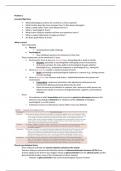
Learning Objectives
1. Identify the structural difference between arteries and veins related to function. Name and
locate the major arteries and veins in the systemic circulation.
2. Describe the position of the heart and identify the great vessels
3. Follow the main vessels to the viscera and to the periphery, identifying the main vessels
4. Differentiate between systemic, portal and pulmonary circulation
5. Describe the general location of lymph nodes.
In class objectives
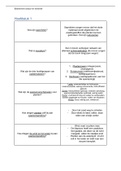
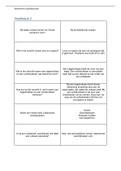
1. Classify the different types of blood vessel
2. Trace the flow of blood through the heart
3. Classify and briefly describe the different circulatory circuits
a. Systemic circulation
b. Pulmonary Circulation
c. Hepatic Portal Circulation
4. Locate the great vessels
5. Briefly explain the lymphatic circulation
Basic Structure
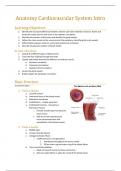
3 common layers
1. Tunica Intima
a. Luminal surface
b. Innermost layer of the blood vessel
c. Basement membrane
d. Endothelium – simple squamous
e. Endothelial function - Vasoactive /
Minimizes friction
i. Provide smooth layer for blood to
move across
ii. Able to secrete substances to
cause vasoconstriction and
vasodilation of the blood vessels
2. Tunica media
a. Middle layer
b. Circular Smooth Muscle
c. Collagen & Elastic Fibers
i. 2 different forms of organization
1. Distributed throughout the tunica media
2. OR an inner ring and outer ring of the elastic fibres
d. Vaso-constriction/dilation
i. Made of smooth muscle to allow contraction
ii. Also has elastic fibres to allow for recoil of the blood vessel
, 3. Tunica adventitia
a. Outermost layer
i. Made of connective tissue, protects the two inner layers, allow the blood
vessels to be anchored
b. CT elastin and collagen
c. Protects, Strengthens, Anchors
d. Vasa vasorum
i. Blood vessels of blood vessels
ii. In the great blood vessels → this small network of blood vessels supply the walls
of large blood vessels as they’re massive
iii. Have autonomic NS here
Specialisations of arteries and veins
Arteries transport blood away from the heart and veins towards the heart
Arteries transport oxygenated blood and veins transport deoxygenated blood
o This is the opposite for pulmonary arteries and veins
Arteries
Elastic/Conducting Artery
- Aorta – conduct blood everywhere else
- Large tunica media
o Large amount of Elastin [elastic tissue] to cope with the
high blood flow
- Own blood supply via vasa vasorum
Muscular/Distributing Artery
- Slightly smaller than the elastic artery
o Take blood to other parts of the artery
- Large tunica media with IEL and IEL
- Large amount of Smooth muscle
- Renal artery
Arteriole
- Branch off from the two above towards capillaries
- Narrow lumen
- Large amount of Smooth muscle
- Not named
Capillaries
- Simple endothelial tubes – only have 1 layer
- Specialised for exchange of nutrients
- Lumen: 7microns or less
- No adventitia or media layers
Veins
- Venules and veins have a larger lumen and thinner walls than corresponding arteries
- Well-developed tunica adventitia → developed to have VALVES to allow blood flow in one
direction towards the heart.
Learning Objectives
1. Identify the structural difference between arteries and veins related to function. Name and
locate the major arteries and veins in the systemic circulation.
2. Describe the position of the heart and identify the great vessels
3. Follow the main vessels to the viscera and to the periphery, identifying the main vessels
4. Differentiate between systemic, portal and pulmonary circulation
5. Describe the general location of lymph nodes.
In class objectives
1. Classify the different types of blood vessel
2. Trace the flow of blood through the heart
3. Classify and briefly describe the different circulatory circuits
a. Systemic circulation
b. Pulmonary Circulation
c. Hepatic Portal Circulation
4. Locate the great vessels
5. Briefly explain the lymphatic circulation
Basic Structure
3 common layers
1. Tunica Intima
a. Luminal surface
b. Innermost layer of the blood vessel
c. Basement membrane
d. Endothelium – simple squamous
e. Endothelial function - Vasoactive /
Minimizes friction
i. Provide smooth layer for blood to
move across
ii. Able to secrete substances to
cause vasoconstriction and
vasodilation of the blood vessels
2. Tunica media
a. Middle layer
b. Circular Smooth Muscle
c. Collagen & Elastic Fibers
i. 2 different forms of organization
1. Distributed throughout the tunica media
2. OR an inner ring and outer ring of the elastic fibres
d. Vaso-constriction/dilation
i. Made of smooth muscle to allow contraction
ii. Also has elastic fibres to allow for recoil of the blood vessel
, 3. Tunica adventitia
a. Outermost layer
i. Made of connective tissue, protects the two inner layers, allow the blood
vessels to be anchored
b. CT elastin and collagen
c. Protects, Strengthens, Anchors
d. Vasa vasorum
i. Blood vessels of blood vessels
ii. In the great blood vessels → this small network of blood vessels supply the walls
of large blood vessels as they’re massive
iii. Have autonomic NS here
Specialisations of arteries and veins
Arteries transport blood away from the heart and veins towards the heart
Arteries transport oxygenated blood and veins transport deoxygenated blood
o This is the opposite for pulmonary arteries and veins
Arteries
Elastic/Conducting Artery
- Aorta – conduct blood everywhere else
- Large tunica media
o Large amount of Elastin [elastic tissue] to cope with the
high blood flow
- Own blood supply via vasa vasorum
Muscular/Distributing Artery
- Slightly smaller than the elastic artery
o Take blood to other parts of the artery
- Large tunica media with IEL and IEL
- Large amount of Smooth muscle
- Renal artery
Arteriole
- Branch off from the two above towards capillaries
- Narrow lumen
- Large amount of Smooth muscle
- Not named
Capillaries
- Simple endothelial tubes – only have 1 layer
- Specialised for exchange of nutrients
- Lumen: 7microns or less
- No adventitia or media layers
Veins
- Venules and veins have a larger lumen and thinner walls than corresponding arteries
- Well-developed tunica adventitia → developed to have VALVES to allow blood flow in one
direction towards the heart.