Planning
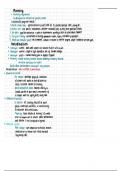
• training programme
↳ designed for athletes or general fitness
a successful program should...
1. check fitness level: questionnaires used (PAR-QI E. g checks lifestyle: BMI, resting HR...
2. fitness test: test specific components, athlete = maximal tests as they have good base fitness
3. set goals: good for motivation + looks at improvements providing a sense of achievement (SMART)
4. carry out training: use methods of training appropriate to goal, apply overload + progression
5. Retest and evaluate goals: see if improved, compare + evaluate to monitor progress • adjust if needed or set more goals
Periodisation
• microcycle: weeks - each week consists of sessions of units with an aim
• meso cycle: months - length of cycle depends on aim e.g 8 weeks strength
• macro cycle: years - a whole training year or Olympics (4 years)
• Recovery - enough recovery between sessions depending on intensity + duration.
use active cool-down to recover
Avoid tedium and boredom in micro cycle, vary sessions.
Periodisation: aim is to PEAK in performance
preparation period-
pre-season: develops physical conditions
of athlete and works on tactical/technical
skills. Increase volume of training.
special preparation phase: towards end of pre-
season, works on sport specific movements e.g
in netball work on agility drills using ball.
• competition period-
In season: all training focused on sport
specific exercises and drills or conditioning
to maintain skills and fitness .
Tapering: lower volume of training 2-3 weeks
prior to competition to ensure peak performance
and athlete is not fatigued or injured.
• transition period-
post season- non competitive activities involves
rehabilitation to recover and relax the mind
(psychological).
• training programme
↳ designed for athletes or general fitness
a successful program should...
1. check fitness level: questionnaires used (PAR-QI E. g checks lifestyle: BMI, resting HR...
2. fitness test: test specific components, athlete = maximal tests as they have good base fitness
3. set goals: good for motivation + looks at improvements providing a sense of achievement (SMART)
4. carry out training: use methods of training appropriate to goal, apply overload + progression
5. Retest and evaluate goals: see if improved, compare + evaluate to monitor progress • adjust if needed or set more goals
Periodisation
• microcycle: weeks - each week consists of sessions of units with an aim
• meso cycle: months - length of cycle depends on aim e.g 8 weeks strength
• macro cycle: years - a whole training year or Olympics (4 years)
• Recovery - enough recovery between sessions depending on intensity + duration.
use active cool-down to recover
Avoid tedium and boredom in micro cycle, vary sessions.
Periodisation: aim is to PEAK in performance
preparation period-
pre-season: develops physical conditions
of athlete and works on tactical/technical
skills. Increase volume of training.
special preparation phase: towards end of pre-
season, works on sport specific movements e.g
in netball work on agility drills using ball.
• competition period-
In season: all training focused on sport
specific exercises and drills or conditioning
to maintain skills and fitness .
Tapering: lower volume of training 2-3 weeks
prior to competition to ensure peak performance
and athlete is not fatigued or injured.
• transition period-
post season- non competitive activities involves
rehabilitation to recover and relax the mind
(psychological).