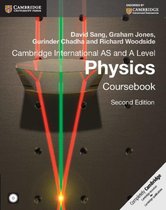
AS LEVEL
PHYSICS
,1 Physical quantities and units ................................3
1.1 Physical quantities ........................................................3
Estimation ...................................................................4
1.2 SI units ........................................................................4
1.4 Scalars and vectors .....................................................7
2 Measurement techniques ................................... 10
2.1 Measurements ...........................................................10
2.2 Errors and uncertainties .............................................11
Errors ........................................................................12
Precision and accuracy...............................................12
Treatment of uncertainties ...........................................13
, 1 PHYSIC AL
QUANTITIES AND
UNITS
The measurement and recording of quantities is central to the whole of phy
estimating a physical quantity and having a feeling for which quantities are
and which are unreasonable are very useful for any physicist.
This topic introduces the SI system of units, which provides a universal fram
measurement that is common to all scientists internationally.
Candidates should be aware of the nature of a physical measurement, in te
magnitude and a unit. They should have experience of making and recordi
measurements in the laboratory.
1.1 P H YS I C A L Q U A N T I
LEARNING OUTCOMES
C ANDIDATES SHOULD BE ABLE TO:
A. understand that all physical quantities consist of a numerical magnitude
- Physical quantities have a numerical value and a unit; in physics, it is esse
units of physical quantities. For example, mass can be measured in kilogra
might write mass of trolley as:
PHYSICS
,1 Physical quantities and units ................................3
1.1 Physical quantities ........................................................3
Estimation ...................................................................4
1.2 SI units ........................................................................4
1.4 Scalars and vectors .....................................................7
2 Measurement techniques ................................... 10
2.1 Measurements ...........................................................10
2.2 Errors and uncertainties .............................................11
Errors ........................................................................12
Precision and accuracy...............................................12
Treatment of uncertainties ...........................................13
, 1 PHYSIC AL
QUANTITIES AND
UNITS
The measurement and recording of quantities is central to the whole of phy
estimating a physical quantity and having a feeling for which quantities are
and which are unreasonable are very useful for any physicist.
This topic introduces the SI system of units, which provides a universal fram
measurement that is common to all scientists internationally.
Candidates should be aware of the nature of a physical measurement, in te
magnitude and a unit. They should have experience of making and recordi
measurements in the laboratory.
1.1 P H YS I C A L Q U A N T I
LEARNING OUTCOMES
C ANDIDATES SHOULD BE ABLE TO:
A. understand that all physical quantities consist of a numerical magnitude
- Physical quantities have a numerical value and a unit; in physics, it is esse
units of physical quantities. For example, mass can be measured in kilogra
might write mass of trolley as: