Education social policy:
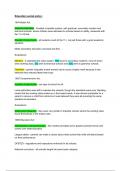
1944 Butler Act:
Selective education - Created a tripartite system, with grammar; secondary modern and
technical schools, where children were allocated to schools based on ability, measured with
the 11+ IQ test.
Equality of opportunity - all students could sit the 11+, not just those with a good academic
equation.
Made secondary education universal and free.
Evaluations:
Marxism - it replicated the class system. 75% went to secondary moderns, most of whom
were working class, 5% went to technical schools and 15% went to grammar schools.
Feminism - gender inequality meant women had to score a higher mark because it was
believed they matured faster than boys.
1965 Comprehensive Act:
Equality of opportunity - one type of school for all.
Local authorities were left to maintain the schools, though the standards were poor. Banding
meant that the working class ended up in the lowest bands. It was almost impossible for a
parent to remove a child from school as it was believed they were all providing the same
standard of education.
Evaluations:
Setting and streaming - they were very similar to tripartite schools where the working class
found themselves in the bottom sets.
1988 Education Act:
Marketisation and parentocracy - free market principles led to greater parental choice and
control over state education.
League tables - parents can make a choice about what school their child will attend based
on their performance.
OFSTED - regulations and inspections enforced for all schools.
National curriculum - all schools taught the same basic subjects.
, Formula funding - schools were encouraged to improve standards to increase the number of
students attending, leading to more funding.
Evaluations:
Selection by mortgage - the house prices in catchment areas of the best schools increased,
pushing out poor parents.
Cream skimming - the best schools selected the best (often middle class) students.
1997 New Labour Policies:
1. Free nursery provisions.
2. Primary school class size reduced to 20.
3. Education action zones identified disadvantaged communities and opened sure start
centres that tackled material and cultural deprivation.
4. Gifted and talented initiative 2002 identified the top 5% aged 11-18 and provided
them with extra study support.
5. Education and Inspection Act 2006 gave schools freedom to set their own
admissions requirements and arrangements and allowed faith schools to be built.
The influence of New Labour Policies:
1. Choice and selection increased.
2. Failing schools were closed if they didn’t meet targets and were re-opened as city
academies to improve educational standards.
3. Early academies raised standards in poor areas.
4. Parents liked sure start but it didn’t improve education.
5. Tuition fees put the working class off going to university.
2010 Coalition Government Policies:
1. Cut funding to education.
2. Academisation forced failing schools to become academies.
3. Free schools gave charities and businesses more freedom to set up their own
schools.
4. Pupil premiums led to extra funding for SEN and free school meals pupils.
Evaluations:
Academies and free schools are ideological, there’s no evidence they improve standards.
Free schools advantages the middle class.
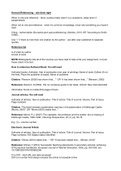
Social policy and sociology:
Social policies are laws designed to solve social problems.
1944 Butler Act:
Selective education - Created a tripartite system, with grammar; secondary modern and
technical schools, where children were allocated to schools based on ability, measured with
the 11+ IQ test.
Equality of opportunity - all students could sit the 11+, not just those with a good academic
equation.
Made secondary education universal and free.
Evaluations:
Marxism - it replicated the class system. 75% went to secondary moderns, most of whom
were working class, 5% went to technical schools and 15% went to grammar schools.
Feminism - gender inequality meant women had to score a higher mark because it was
believed they matured faster than boys.
1965 Comprehensive Act:
Equality of opportunity - one type of school for all.
Local authorities were left to maintain the schools, though the standards were poor. Banding
meant that the working class ended up in the lowest bands. It was almost impossible for a
parent to remove a child from school as it was believed they were all providing the same
standard of education.
Evaluations:
Setting and streaming - they were very similar to tripartite schools where the working class
found themselves in the bottom sets.
1988 Education Act:
Marketisation and parentocracy - free market principles led to greater parental choice and
control over state education.
League tables - parents can make a choice about what school their child will attend based
on their performance.
OFSTED - regulations and inspections enforced for all schools.
National curriculum - all schools taught the same basic subjects.
, Formula funding - schools were encouraged to improve standards to increase the number of
students attending, leading to more funding.
Evaluations:
Selection by mortgage - the house prices in catchment areas of the best schools increased,
pushing out poor parents.
Cream skimming - the best schools selected the best (often middle class) students.
1997 New Labour Policies:
1. Free nursery provisions.
2. Primary school class size reduced to 20.
3. Education action zones identified disadvantaged communities and opened sure start
centres that tackled material and cultural deprivation.
4. Gifted and talented initiative 2002 identified the top 5% aged 11-18 and provided
them with extra study support.
5. Education and Inspection Act 2006 gave schools freedom to set their own
admissions requirements and arrangements and allowed faith schools to be built.
The influence of New Labour Policies:
1. Choice and selection increased.
2. Failing schools were closed if they didn’t meet targets and were re-opened as city
academies to improve educational standards.
3. Early academies raised standards in poor areas.
4. Parents liked sure start but it didn’t improve education.
5. Tuition fees put the working class off going to university.
2010 Coalition Government Policies:
1. Cut funding to education.
2. Academisation forced failing schools to become academies.
3. Free schools gave charities and businesses more freedom to set up their own
schools.
4. Pupil premiums led to extra funding for SEN and free school meals pupils.
Evaluations:
Academies and free schools are ideological, there’s no evidence they improve standards.
Free schools advantages the middle class.
Social policy and sociology:
Social policies are laws designed to solve social problems.