PREVIEW
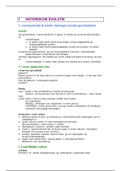
1.1 In which scenario is assessment for
inclusivity practiced? Support your
answer. (5)
Answer: Scenario B is where assessment for
inclusivity is practiced. Mr. Japhta, in
Scenario B, conducts informal assessment
activities at the beginning of the school year
to identify learners with learning challenges.
This proactive approach helps to identify
students who may need extra support early
on so that individual support plans can be
developed for them
1.2 In which scenario is the assessment of
learners' scholastic achievement used?
Give reasons for your answer. (5)
Answer: Scenario A is where the
assessment of learners' scholastic
achievement is used. Mrs. Molefe, in
Scenario A, gives assessment tasks to her
learners at the end of each learning unit.
These assessment tasks are aimed at
INC3701 preparing the students for quarterly formal
examinations, which means they are focused
on evaluating the students' academic
progress and achievement.
NATALIE FOXX
ASSIGNMENT 4 2023
, Question 1:
1.1 In which scenario is assessment for inclusivity practiced? Support your answer. (5)
Answer: Scenario B is where assessment for inclusivity is practiced. Mr. Japhta, in
Scenario B, conducts informal assessment activities at the beginning of the school year
to identify learners with learning challenges. This proactive approach helps to identify
students who may need extra support early on so that individual support plans can be
developed for them.
1.2 In which scenario is the assessment of learners' scholastic achievement used? Give
reasons for your answer. (5)
Answer: Scenario A is where the assessment of learners' scholastic achievement is
used. Mrs. Molefe, in Scenario A, gives assessment tasks to her learners at the end of
each learning unit. These assessment tasks are aimed at preparing the students for
quarterly formal examinations, which means they are focused on evaluating the
students' academic progress and achievement.
1.3 In which scenario is the usage of the SIAS policy going to be vital? Give reasons for
your answer. (5)
Answer: The usage of the SIAS (Screening, Identification, Assessment, and Support)
policy is vital in Scenario B. Mr. Japhta, in Scenario B, conducts screening and
identification activities to identify learners with learning challenges. The results of these
activities are then used to draft individual support plans for those identified students who
need extra specific support. The SIAS policy ensures that learners with learning
difficulties receive the necessary support they require.
1.4 In which scenario is the inclusion of parents of utmost importance and why? (5)
Answer: The inclusion of parents is of utmost importance in Scenario B. Mr. Japhta, in
Scenario B, involves parents in the process of formulating individual support plans for
learners with learning barriers. This involvement ensures that parents are informed and
engaged in their child's educational journey, fostering a collaborative effort between the
school and parents to support the student effectively.
Question 2:
2.1 Identify three cardinal mistakes that Timothy made in his attempt to assist learners
with learning disabilities and give reasons why you think these were mistakes that
Timothy needs to avoid in the future. (9) Answer:
Misdiagnosis: Timothy diagnosed a learner with dyslexia without consulting or
involving a specialist or conducting a proper assessment. Misdiagnosing a
1.1 In which scenario is assessment for
inclusivity practiced? Support your
answer. (5)
Answer: Scenario B is where assessment for
inclusivity is practiced. Mr. Japhta, in
Scenario B, conducts informal assessment
activities at the beginning of the school year
to identify learners with learning challenges.
This proactive approach helps to identify
students who may need extra support early
on so that individual support plans can be
developed for them
1.2 In which scenario is the assessment of
learners' scholastic achievement used?
Give reasons for your answer. (5)
Answer: Scenario A is where the
assessment of learners' scholastic
achievement is used. Mrs. Molefe, in
Scenario A, gives assessment tasks to her
learners at the end of each learning unit.
These assessment tasks are aimed at
INC3701 preparing the students for quarterly formal
examinations, which means they are focused
on evaluating the students' academic
progress and achievement.
NATALIE FOXX
ASSIGNMENT 4 2023
, Question 1:
1.1 In which scenario is assessment for inclusivity practiced? Support your answer. (5)
Answer: Scenario B is where assessment for inclusivity is practiced. Mr. Japhta, in
Scenario B, conducts informal assessment activities at the beginning of the school year
to identify learners with learning challenges. This proactive approach helps to identify
students who may need extra support early on so that individual support plans can be
developed for them.
1.2 In which scenario is the assessment of learners' scholastic achievement used? Give
reasons for your answer. (5)
Answer: Scenario A is where the assessment of learners' scholastic achievement is
used. Mrs. Molefe, in Scenario A, gives assessment tasks to her learners at the end of
each learning unit. These assessment tasks are aimed at preparing the students for
quarterly formal examinations, which means they are focused on evaluating the
students' academic progress and achievement.
1.3 In which scenario is the usage of the SIAS policy going to be vital? Give reasons for
your answer. (5)
Answer: The usage of the SIAS (Screening, Identification, Assessment, and Support)
policy is vital in Scenario B. Mr. Japhta, in Scenario B, conducts screening and
identification activities to identify learners with learning challenges. The results of these
activities are then used to draft individual support plans for those identified students who
need extra specific support. The SIAS policy ensures that learners with learning
difficulties receive the necessary support they require.
1.4 In which scenario is the inclusion of parents of utmost importance and why? (5)
Answer: The inclusion of parents is of utmost importance in Scenario B. Mr. Japhta, in
Scenario B, involves parents in the process of formulating individual support plans for
learners with learning barriers. This involvement ensures that parents are informed and
engaged in their child's educational journey, fostering a collaborative effort between the
school and parents to support the student effectively.
Question 2:
2.1 Identify three cardinal mistakes that Timothy made in his attempt to assist learners
with learning disabilities and give reasons why you think these were mistakes that
Timothy needs to avoid in the future. (9) Answer:
Misdiagnosis: Timothy diagnosed a learner with dyslexia without consulting or
involving a specialist or conducting a proper assessment. Misdiagnosing a