Philosophy: study questions
Lecture 1
Introduction (p. 15-18)
1. What is meant by scientism, and, in scientism, what is meant by science.
Scientism: science is the only method to obtain certain knowledge. The scientific
method is the only valuable source of knowledge.
Science = method of inquiry that involves hypotheses, observations, testing and
experimenting. Purely objective. Universally valid knowledge.
2. What do the writers mean by the notion of the mind as a “crooked mirror”?
Skepticism: Knowledge and facts are social constructions. The mirror of the human
mind is crooked, and it mirrors reality inaccurately. All is relative and our ratio is
influenced constantly.
3. What is meant by post-modernism? Which concept could be its opposite within
the framework of thinking about science.
Modernism is rational thinking based on idealism and reason. Postmodernism is
skeptical and suspicious of reason; challenges the idea that there are universal
certainties or truth.
4. What is meant by skepticism? And what is meant by ‘anything goes’?
Skepticism: science does not give certainty. Equal to other forms of knowledge;
multiple truths exist.
Anything goes: any truth is accepted by science, there are no universal rules or
guidelines. Scientists will do anything to convince others.
5. Explain what the debate between scientism and skepticism entails? Give a current
example of this debate.
COVID-19 vaccinations:
Scientism: vaccination is a universal truth; scientific method has been applied and its
outcomes are universal and scientifically supported.
Skepticism: we must accept that we simply might be wrong. Science is a faith. The
vaccinations could still be faulty, and science might be lying to us; there are no
universal facts.
6. Which questions are the most important in this book, according to the authors?
Is there anything special about science and its methodologies? Can we have real
knowledge? How do we attain it?
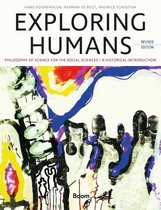
7. What do the writers of the book mean by the title: ‘Exploring humans’?
How have we defined science in the past and is this concept still changing. What do
we, as humans, have to say about science and do we all accept the same definition?
How have these definitions differed in the past?
,8. The book consists of three parts; what are these, and what are they about?
Summarize each part in a sentence.
What are the sources of knowledge? What is science and how does it differ from
non-science? What is the most plausible definition of science?
CONCEPTS:
Scientism
Skepticism
Post modernism
Anything goes
Lecture 1
Chapter 1 (p. 23-34)
1. What is the current philosophical definition of knowledge?
For something to be considered knowledge, it must be a belief, true, and justified.
We need good reasons and evidence to believe something. There are many theories
on what counts as reason or justification, though.
2. What was the definition of knowledge in Plato’s Theatetus?
A justified true belief: true judgment with an account.
3. What is meant with the ‘correspondence theory of truth’?
Truth is a matter of correspondence between a statement and the way things are. A
statement is true if it accurately describes fact/reality. Truth is representing the world
rather than belief.
4. Explain what is meant with the following sentence: “However, although a belief
must be true in order to qualify as knowledge, its truth is not sufficient for that belief
to qualify as knowledge” (p. 24).
Simply believing a truth is not enough for it to qualify as knowledge. It must be
supported by evidence and reason.
5. What is meant by epistemology and ontology?
Epistemology: the nature of knowledge. What is it and how can it be acquired? The
sources, criteria, and limitations of knowledge.
Ontology: the nature of being. Why do things exist and how are they related? The
structure of reality.
6. Why can Plato be seen as a rationalist?
, Plato: knowledge is innate and can be acquired through our intellect. Knowledge isn’t
acquired through sensory experience, but through ration and contemplation
(rationalism). Think of World of Forms vs. reality.
7. What does the Socratic method entail?
Asking questions in a way that they challenge previous question and intellect. It
forces people to reconsider assumption and belief.
8. What is meant by metaphysics?
Metaphysics: the nature of reality and the principles of the underlying world. The
nature of existence, reality, mind and body, and the nature of the universe. The basic
questions of existence.
9. Name a difference between the ontologies of Heraclitus and Parmenides.
Heraclitus: universe is constantly changing.
Parmenides: universe is eternal and unchanging.
10. In what way does Plato follow Heraclitus and in what way does he follow
Parmenides?
He acknowledges both.
11. In your own words describe the Allegory of the Cave.
Allegory of the Cave: We are faced with illusions and shadows and need to step
outside of the cave to discover true knowledge (get to the Ideal World of Forms
through rational contemplation).
12. What is meant by Plato's nativism?
Nativism: knowledge is innate and already present in the mind. Knowledge beyond
the senses; recollection.
13. What does Plato mean by 'learning is remembering'?
We acquire knowledge before we are born (World of Forms) and it is retained in our
souls; when we learn we therefore recall, therefore remember.
14. What does Socrates try to prove in Plato's Meno?
Knowledge is not mere true belief; it requires an account and explanation. Without
an account it is not knowledge.
Lecture 1
Introduction (p. 15-18)
1. What is meant by scientism, and, in scientism, what is meant by science.
Scientism: science is the only method to obtain certain knowledge. The scientific
method is the only valuable source of knowledge.
Science = method of inquiry that involves hypotheses, observations, testing and
experimenting. Purely objective. Universally valid knowledge.
2. What do the writers mean by the notion of the mind as a “crooked mirror”?
Skepticism: Knowledge and facts are social constructions. The mirror of the human
mind is crooked, and it mirrors reality inaccurately. All is relative and our ratio is
influenced constantly.
3. What is meant by post-modernism? Which concept could be its opposite within
the framework of thinking about science.
Modernism is rational thinking based on idealism and reason. Postmodernism is
skeptical and suspicious of reason; challenges the idea that there are universal
certainties or truth.
4. What is meant by skepticism? And what is meant by ‘anything goes’?
Skepticism: science does not give certainty. Equal to other forms of knowledge;
multiple truths exist.
Anything goes: any truth is accepted by science, there are no universal rules or
guidelines. Scientists will do anything to convince others.
5. Explain what the debate between scientism and skepticism entails? Give a current
example of this debate.
COVID-19 vaccinations:
Scientism: vaccination is a universal truth; scientific method has been applied and its
outcomes are universal and scientifically supported.
Skepticism: we must accept that we simply might be wrong. Science is a faith. The
vaccinations could still be faulty, and science might be lying to us; there are no
universal facts.
6. Which questions are the most important in this book, according to the authors?
Is there anything special about science and its methodologies? Can we have real
knowledge? How do we attain it?
7. What do the writers of the book mean by the title: ‘Exploring humans’?
How have we defined science in the past and is this concept still changing. What do
we, as humans, have to say about science and do we all accept the same definition?
How have these definitions differed in the past?
,8. The book consists of three parts; what are these, and what are they about?
Summarize each part in a sentence.
What are the sources of knowledge? What is science and how does it differ from
non-science? What is the most plausible definition of science?
CONCEPTS:
Scientism
Skepticism
Post modernism
Anything goes
Lecture 1
Chapter 1 (p. 23-34)
1. What is the current philosophical definition of knowledge?
For something to be considered knowledge, it must be a belief, true, and justified.
We need good reasons and evidence to believe something. There are many theories
on what counts as reason or justification, though.
2. What was the definition of knowledge in Plato’s Theatetus?
A justified true belief: true judgment with an account.
3. What is meant with the ‘correspondence theory of truth’?
Truth is a matter of correspondence between a statement and the way things are. A
statement is true if it accurately describes fact/reality. Truth is representing the world
rather than belief.
4. Explain what is meant with the following sentence: “However, although a belief
must be true in order to qualify as knowledge, its truth is not sufficient for that belief
to qualify as knowledge” (p. 24).
Simply believing a truth is not enough for it to qualify as knowledge. It must be
supported by evidence and reason.
5. What is meant by epistemology and ontology?
Epistemology: the nature of knowledge. What is it and how can it be acquired? The
sources, criteria, and limitations of knowledge.
Ontology: the nature of being. Why do things exist and how are they related? The
structure of reality.
6. Why can Plato be seen as a rationalist?
, Plato: knowledge is innate and can be acquired through our intellect. Knowledge isn’t
acquired through sensory experience, but through ration and contemplation
(rationalism). Think of World of Forms vs. reality.
7. What does the Socratic method entail?
Asking questions in a way that they challenge previous question and intellect. It
forces people to reconsider assumption and belief.
8. What is meant by metaphysics?
Metaphysics: the nature of reality and the principles of the underlying world. The
nature of existence, reality, mind and body, and the nature of the universe. The basic
questions of existence.
9. Name a difference between the ontologies of Heraclitus and Parmenides.
Heraclitus: universe is constantly changing.
Parmenides: universe is eternal and unchanging.
10. In what way does Plato follow Heraclitus and in what way does he follow
Parmenides?
He acknowledges both.
11. In your own words describe the Allegory of the Cave.
Allegory of the Cave: We are faced with illusions and shadows and need to step
outside of the cave to discover true knowledge (get to the Ideal World of Forms
through rational contemplation).
12. What is meant by Plato's nativism?
Nativism: knowledge is innate and already present in the mind. Knowledge beyond
the senses; recollection.
13. What does Plato mean by 'learning is remembering'?
We acquire knowledge before we are born (World of Forms) and it is retained in our
souls; when we learn we therefore recall, therefore remember.
14. What does Socrates try to prove in Plato's Meno?
Knowledge is not mere true belief; it requires an account and explanation. Without
an account it is not knowledge.