Topic: Ode to a Nightingale – Keats
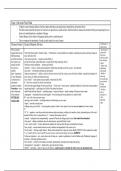
Key Points/Arguments
- Nature ode – simultaneous perils of imagination - offering transcendence from reality get dangerous escapist detatchment from reality
- Temptation of oblivion and horror of self
- Romantics try to cut rationality and logic by writing poetry of spontaneous and unconscious creation, breaking from mechanistic thought
Themes/Context Literary/Dramatic Devices
- John Stuart Mill – S1
rejuvenated by ‘numbness pains’ – oxymoronic dichotomy of love – vowels make us participate in pains
reading Wordworth ‘drains/sunk’ – dragging to underworld away from reality with special verbs
“Rhetoric is heard, ‘happy’ – repeated, artificially makes his happiness, best happiness is unconscious – he is celebrating the nightingale’s joy, vicariously seeking inadequacy in
poetry is overheard” himself and inability to fully participate in nightingale’s song
Nightingale ‘melodious plot’ – lexical tension in poem, mellifluous, almost oxymoronic
(nocturnal, lives S2
away from humans, ‘beaded bubbles winking at the brim’ – plosive b’s, childish line reflects happiness of child’s brain
producing melodies S3
for self) ‘where’ x3, anaphoric repetition, descriptors of compounding sorrow
Aeolian Harp – ‘leaden-eyed despairs’ – eyes link to senses (body and mind)
greek harp played by S4
wind ‘Away! Away!’ – energy in transition is enacted by the dismissal of morbid ideas – anything to escape consciousness, however wants to use power of
- Keats grew thin and imagination instead of substances
ill with young death ‘dull brain perplexes and retards’ – speaker’s narcotics create this – conflicts turn pessimistic
by TB ‘verdurous glooms and winding mossy ways’ – simultaneously enchanting yet dangerous (moving away from clarity) spatially a place of darkness so lexical
- Bacchus – god of field reflects the imagination wandering thru these thoughts
wine and pleasure, S5 – richly sensory stanza – lots of imagery relating to death conflicting idyllic phrases
links to opium and ‘soft incense hangs upon the boughs’ – assonance of consonants reflect beauty and mystery
wine mentioned ‘embalmed darkness’ – loses sight so other senses enhanced evoking the ‘Bower of Bliss’
throughout poem S6
Bower of Bliss – ‘I have been half in love with easeful Death’ – lyrical ideal of gorgeous, unconscious melody, here, to point of self-annihilation and allure/beauty of ending
enchanted pastoral one’s life
trope of idyllic fairy ‘seems it rich to die’ – living in beautiful, idyllic imaginations (shown in paradoxical statement) perhaps life has reached apotheosis : ‘ecstasy!’, ‘requiem’
garden ‘sod’ – lump of soil, ends a highly lyrical, melodic stanza with it all crashing down to ear with harsh, monosyllabic masc rhyme and terminal full stop
Constant movement S7
from elation to ‘emperor and clown’ – nightingale song is immortal, heard for generations –(temporary human existence)
despair – oscillates ‘faery lands forlorn’ – shifts from emperor to clown to bible (‘Ruth’) to mythological poetry – nightingale can transcend all space and time
between conflicting S8
states ‘Forlorn!’ – repeats first stanza – feels lonely and abandoned by nightingale
‘bell/well’ – draws attention to beauty of rhyme
‘past/up’ – prepositions, how song transcends space
‘or a waking dream?/ Do I wake or sleep?’ – ends in confusion; Am I dead/asleep? Should I wake/die?
Key Points/Arguments
- Nature ode – simultaneous perils of imagination - offering transcendence from reality get dangerous escapist detatchment from reality
- Temptation of oblivion and horror of self
- Romantics try to cut rationality and logic by writing poetry of spontaneous and unconscious creation, breaking from mechanistic thought
Themes/Context Literary/Dramatic Devices
- John Stuart Mill – S1
rejuvenated by ‘numbness pains’ – oxymoronic dichotomy of love – vowels make us participate in pains
reading Wordworth ‘drains/sunk’ – dragging to underworld away from reality with special verbs
“Rhetoric is heard, ‘happy’ – repeated, artificially makes his happiness, best happiness is unconscious – he is celebrating the nightingale’s joy, vicariously seeking inadequacy in
poetry is overheard” himself and inability to fully participate in nightingale’s song
Nightingale ‘melodious plot’ – lexical tension in poem, mellifluous, almost oxymoronic
(nocturnal, lives S2
away from humans, ‘beaded bubbles winking at the brim’ – plosive b’s, childish line reflects happiness of child’s brain
producing melodies S3
for self) ‘where’ x3, anaphoric repetition, descriptors of compounding sorrow
Aeolian Harp – ‘leaden-eyed despairs’ – eyes link to senses (body and mind)
greek harp played by S4
wind ‘Away! Away!’ – energy in transition is enacted by the dismissal of morbid ideas – anything to escape consciousness, however wants to use power of
- Keats grew thin and imagination instead of substances
ill with young death ‘dull brain perplexes and retards’ – speaker’s narcotics create this – conflicts turn pessimistic
by TB ‘verdurous glooms and winding mossy ways’ – simultaneously enchanting yet dangerous (moving away from clarity) spatially a place of darkness so lexical
- Bacchus – god of field reflects the imagination wandering thru these thoughts
wine and pleasure, S5 – richly sensory stanza – lots of imagery relating to death conflicting idyllic phrases
links to opium and ‘soft incense hangs upon the boughs’ – assonance of consonants reflect beauty and mystery
wine mentioned ‘embalmed darkness’ – loses sight so other senses enhanced evoking the ‘Bower of Bliss’
throughout poem S6
Bower of Bliss – ‘I have been half in love with easeful Death’ – lyrical ideal of gorgeous, unconscious melody, here, to point of self-annihilation and allure/beauty of ending
enchanted pastoral one’s life
trope of idyllic fairy ‘seems it rich to die’ – living in beautiful, idyllic imaginations (shown in paradoxical statement) perhaps life has reached apotheosis : ‘ecstasy!’, ‘requiem’
garden ‘sod’ – lump of soil, ends a highly lyrical, melodic stanza with it all crashing down to ear with harsh, monosyllabic masc rhyme and terminal full stop
Constant movement S7
from elation to ‘emperor and clown’ – nightingale song is immortal, heard for generations –(temporary human existence)
despair – oscillates ‘faery lands forlorn’ – shifts from emperor to clown to bible (‘Ruth’) to mythological poetry – nightingale can transcend all space and time
between conflicting S8
states ‘Forlorn!’ – repeats first stanza – feels lonely and abandoned by nightingale
‘bell/well’ – draws attention to beauty of rhyme
‘past/up’ – prepositions, how song transcends space
‘or a waking dream?/ Do I wake or sleep?’ – ends in confusion; Am I dead/asleep? Should I wake/die?