RN NCLEX EXAM WITH ANSWER PLUS RATIONALE (ENDOCRINE DRUGS) LATEST 2023.
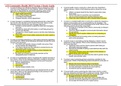
RN NCLEX EXAM WITH ANSWER PLUS RATIONALE (ENDOCRINE DRUGS) LATEST 2023. RN NCLEX EXAM WITH ANSWER PLUS RATIONALE (ENDOCRINE DRUGS) 1. Which of the following is a contraindication for use of oxytocin to induce labor? A. Missed abortion B. Placenta previa C. Hyperbilirubinemia D. Pregnancy past due date Answer: B. Placenta previa Use of oxytocin is contraindicated in the presence of placenta previa. Labor induction in this condition could be fatal to the fetus. Placenta previa is an indication for cesarean section. Specific contraindications to oxytocin include hypersensitivity to the hormone itself or any part of its synthetic version and vaginal deliveries that are in themselves contraindicated. These include the patient having an active genital herpes infection, vasa previa, complete placenta previa, invasive cervical cancer, and prolapse or presentation of the umbilical cord). Option A: Oxytocin is indicated and approved by the FDA for two specific time frames in the obstetric world: antepartum and postpartum. In the antepartum period, exogenous oxytocin is FDA-approved for strengthening uterine contractions with the aim of successful vaginal delivery of the fetus. There are three situations during the antepartum period in which oxytocin is indicated for mothers who have preeclampsia, maternal diabetes, premature rupture of the membranes; for mothers with inactive uteri that require stimulation to start labor; and for mothers with inevitable or incomplete abortions in their second trimester. Option C: Hypoosmolarity causes swelling of the red blood cells and makes them fragile and susceptible to hemolysis. Various studies have approved the effects of oxytocin on jaundice. Some studies have suggested that the extensive use of oxytocin in labor induction is one of the factors leading to neonatal jaundice Option D: When oxytocin is released, it stimulates uterine contractions, and these uterine contractions, in turn, cause more oxytocin to be released; this is what causes the increase in both the intensity and frequency of contractions and enables a mother to carry out vaginal delivery completely. The head of the fetus pushes against the cervix, the nerve impulses from this action travel to the mother’s brain, which activates the posterior pituitary to secrete oxytocin. This oxytocin is then carried through the blood to the uterus to increase uterine contractions further, and the cycle continues until parturition. 2. Which of the following insulin cannot be mixed with any other type of insulin? A. Insulin glargine B. Insulin aspart C. Insulin isophane D. Insulin lispro Answer: A. Insulin glargine Insulin glargine when mixed with any other types of insulin changes its duration of action ( a combination of long-acting and short-acting insulin) so it is advised that it should not be mixed with any other type of insulin. 3. A client with diabetes mellitus type I was prescribed with exenatide (Bydureon). The nurse will take which of the following appropriate actions? A. Withdraw the insulin from the prefilled pen into an insulin syringe B. Monitor for signs of nausea, vomiting, and gastric upset C. Administer the medication twice a day during pre-meals D. Hold the medication and call the physician to question the prescription Answer: D. Hold the medication and call the physician to question the prescription Exenatide (Bydureon) is only used to treat diabetes mellitus type 2 only. Therefore, holding the medication and calling the physician to question the order. Option A: Prefilled pens are ready for injection. Options B & C: Although these are correct about the medication, it should not be administered in this kind of situation. 4. A relative contraindication to therapy with androgens is: A. Hepatic failure B. Pregnancy C. Prostate cancer D. Hypogonadism Answer: A. Hepatic failure Hepatic failure is considered a relative contraindication because antiandrogens have been known to cause hepatotoxicity. While topical testosterone delivery systems avoid first-pass hepatic metabolism, there remains concern regarding TRT in patients with chronic liver disease. The majority of reports of liver toxicity and jaundice are limited to orally-administered alkylated forms of testosterone. Option B: Pregnancy is considered an absolute contraindication. Hyperestrogenism can be a side effect of replacement therapy because testosterone undergoes aromatization to estrogen. Aromatase inhibitors may be necessary. Therefore, estradiol levels in men need to be assessed to rule out hyperestrogenism. Option C: Prostate cancer is an indication for anti androgen administration. Serum PSA levels can increase in response to testosterone treatment, so it is essential to rule out prostate cancer before starting therapy as it can worsen the disease process. Patients on replacement therapy require reevaluation for prostate cancer at three months and one year after beginning treatment.There have been no significant effects of testosterone on lower urinary tract symptoms and BPH. Physicians need to specifically address the risks and benefits of testosterone therapy before initiating treatment. Option D: Hypogonadism would not be considered a contraindication, but it most certainly is not an indication for therapy. Hypogonadism occurs in 19% of men in their 60s, 28% of men in their 70s, and 49% of men in their 80s. Testosterone is FDA-approved as replacement therapy in men who have low testosterone levels and those with symptoms of hypogonadism. It is essential to distinguish between primary (testicular) and secondary (pituitary-hypothalamic) hypogonadism. Symptoms highly suggestive of hypogonadism include decreased spontaneous erections, decreased nocturnal penile tumescence, decreased libido, decreased beard growth, and shrinking testicles. 5. A private nurse visits a client who is taking Humulin NPH insulin daily. The client asks the nurse how the storage of the unopened vials of insulin. The nurse tells the client to: A. Store it at room temperature B. Store it in the freezer C. Store it in the refrigerator D. Keep the insulin in a sunlight, dry place Answer: C. Store it in the refrigerator Option C: Unopened insulin is stored in the refrigerator until the expiry date. Option A: Only opened vials are stored at room temperature and it will only last for 28 days. Option B: It should never be stored in the freezer. Option D: Insulin is sensitive to light.
Geschreven voor
- Instelling
- Chamberlain College Of Nursing
- Vak
- RN NCLEX (RNNCLEX)
Documentinformatie
- Geüpload op
- 13 februari 2023
- Aantal pagina's
- 24
- Geschreven in
- 2022/2023
- Type
- Tentamen (uitwerkingen)
- Bevat
- Vragen en antwoorden
Onderwerpen
-
rn nclex exam with answer plus rationale endocrine drugs latest 2023
-
rn nclex exam with answer plus rationale endocrine drugs
-
rn nclex exam with answer plus rationale
-
rn nclex exam with answer e