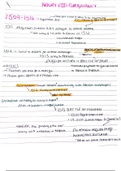
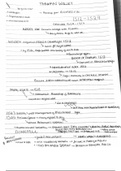
THE SICK ROSE
ejaculatory opening and apostrophe addresses a
->
personified rose and creates
↓ a melchonic tone.
itemphatic declaration -
lack
ofpurity, loss
O rose, thou art sick; Spiritual STDIS of morality,
& archais -
link to traditional love poetry
The invisible worm
↑ aception illegit
affair
↑goreboding
That flies in the night, -
intimate setting -
illicet
affair/darkness:secrecy and shame.
↳vero:
agency:pestilence and disease
In the howling storm,
Monomatopeic:personifies storm as animalistic
diminutive rose ghostly force that
destroys the
POSSiOR
rep sexual
Has found out thy bed
↳ implies invasiveness
the
that secret
has been discovered and
suggest
Of crimson joy,
And his dark secret love
Lphints atjealousy, possessiveness
↑ betrayal as the adjectives imply
Does thy life destroy. corruption and are
sinister. It
could be an
allusion to an
illicitaffair
pug or prostitution
As the worm
destroys the
rose, the love
destroys the women.
Blake is critising exploitative, selfish
love possibly the
and hurtful and also
notion as
use of prostitutes. The ofl ove
destructive is disturbing ending the poem
rose.
on a pessimistic This is enhanced
the tradic plosive alliteration
by that
creates
goreboding phonic
a
denouement
sense
↓
of
finality.
this has sexual connotations given the
reference to the
bed' this has double meaning as it
could
although a
also which
refer to the
grower bed in the rose
exists. The mora'crimson' connates blood
both
perhaps hinting at
a loss
of virginity as well as
reminding us of the roses, colour. Some critics have
thatthe rose is
argued symbolic of the
justas the
raging form is a
phallic
symbol. The
rising of
colour could imply either sexual shame
or arousal
ejaculatory opening and apostrophe addresses a
->
personified rose and creates
↓ a melchonic tone.
itemphatic declaration -
lack
ofpurity, loss
O rose, thou art sick; Spiritual STDIS of morality,
& archais -
link to traditional love poetry
The invisible worm
↑ aception illegit
affair
↑goreboding
That flies in the night, -
intimate setting -
illicet
affair/darkness:secrecy and shame.
↳vero:
agency:pestilence and disease
In the howling storm,
Monomatopeic:personifies storm as animalistic
diminutive rose ghostly force that
destroys the
POSSiOR
rep sexual
Has found out thy bed
↳ implies invasiveness
the
that secret
has been discovered and
suggest
Of crimson joy,
And his dark secret love
Lphints atjealousy, possessiveness
↑ betrayal as the adjectives imply
Does thy life destroy. corruption and are
sinister. It
could be an
allusion to an
illicitaffair
pug or prostitution
As the worm
destroys the
rose, the love
destroys the women.
Blake is critising exploitative, selfish
love possibly the
and hurtful and also
notion as
use of prostitutes. The ofl ove
destructive is disturbing ending the poem
rose.
on a pessimistic This is enhanced
the tradic plosive alliteration
by that
creates
goreboding phonic
a
denouement
sense
↓
of
finality.
this has sexual connotations given the
reference to the
bed' this has double meaning as it
could
although a
also which
refer to the
grower bed in the rose
exists. The mora'crimson' connates blood
both
perhaps hinting at
a loss
of virginity as well as
reminding us of the roses, colour. Some critics have
thatthe rose is
argued symbolic of the
justas the
raging form is a
phallic
symbol. The
rising of
colour could imply either sexual shame
or arousal