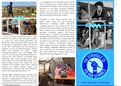
1. This pamphlet aims to shed light on the current
state of infrastructure in South African schools
and advocates the rights of our learners to quality
education. It is our duty as parents, caregivers,
learners, and the wider community to strive
towards an equal future for all, where today’s
learners will become tomorrow's leaders.
Thousands of South African learners have to
attend school every day with horrendous
infrastructure including unsafe bathrooms,
crumbling classrooms, and cracked fences. Many
of these schools must operate without access to
basic resources such as textbooks, writing tools,
sanitation, curriculum support, and teacher
training which is essential for providing quality
2. There are however organizations such as Equal education (Equal Education, 2019). Without these,
Education and Section27 that are fighting tirelessly the ability to learn and teach is severely affected,
to ensure the South African government and and failing to provide these essentials is in direct
Department of Basic Education (DBE) are being held violation of learner’s Constitutional rights to
accountable for upholding the rights of all learners safety, dignity, and basic education. Conflicting
as per their Constitutional duty and meeting the
data, backlogs, inadequate allocation of funds, a
deadlines set out in the National Minimum Uniform
lack of planning and accountability continue to
Norms and Standards for Public School
push many schools into a deeper ‘state of crisis’
Infrastructure (Veriava, Thom, and Hodgson, 2017:
(Veriava, Thom, and Hodgson, 2017: 223).
226). This set of standards was officially published in
2013 by the current Minister of Education Angie
Motshekga under section 5A(1)(a) of the South
African Schools Act 84 of 1996 (SASA, 1996). It is a
legally binding document that outlines the basic
standards that all schools should have to operate
properly and enables learners, schools, and
communities to hold the DBE and government
officials accountable (Equal Education, n.d.).
Although legally obligated countless deadlines have
not been met over the past eight years since the
document's implementation as many learners are
still attending schools that do not meet their basic
educational needs and are preventing learners from THE SOUTH AFRICAN
accessing quality education.
state of infrastructure in South African schools
and advocates the rights of our learners to quality
education. It is our duty as parents, caregivers,
learners, and the wider community to strive
towards an equal future for all, where today’s
learners will become tomorrow's leaders.
Thousands of South African learners have to
attend school every day with horrendous
infrastructure including unsafe bathrooms,
crumbling classrooms, and cracked fences. Many
of these schools must operate without access to
basic resources such as textbooks, writing tools,
sanitation, curriculum support, and teacher
training which is essential for providing quality
2. There are however organizations such as Equal education (Equal Education, 2019). Without these,
Education and Section27 that are fighting tirelessly the ability to learn and teach is severely affected,
to ensure the South African government and and failing to provide these essentials is in direct
Department of Basic Education (DBE) are being held violation of learner’s Constitutional rights to
accountable for upholding the rights of all learners safety, dignity, and basic education. Conflicting
as per their Constitutional duty and meeting the
data, backlogs, inadequate allocation of funds, a
deadlines set out in the National Minimum Uniform
lack of planning and accountability continue to
Norms and Standards for Public School
push many schools into a deeper ‘state of crisis’
Infrastructure (Veriava, Thom, and Hodgson, 2017:
(Veriava, Thom, and Hodgson, 2017: 223).
226). This set of standards was officially published in
2013 by the current Minister of Education Angie
Motshekga under section 5A(1)(a) of the South
African Schools Act 84 of 1996 (SASA, 1996). It is a
legally binding document that outlines the basic
standards that all schools should have to operate
properly and enables learners, schools, and
communities to hold the DBE and government
officials accountable (Equal Education, n.d.).
Although legally obligated countless deadlines have
not been met over the past eight years since the
document's implementation as many learners are
still attending schools that do not meet their basic
educational needs and are preventing learners from THE SOUTH AFRICAN
accessing quality education.