Neo-Marxism and radical criminology
03 March 2021 08:44
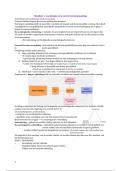
- Neo-Marxist - combine an interactionalists focus [labelling & deviant and its affect on subsequent behaviour] and Marxist and interactionalist approach
a Marxist [reasons behind the inequality and how the system operates] approach
Study The Saints and the Roughnecks, William
(1973)
- Observational study of two high schools Social class impact - labelling theory
- Identifies the differences in public perception of the boys' deviant behaviour, and how social class impacts on
labelling and self-concept
- Chambliss 'the saints' -> young men - white upper-middle class families = constantly involved in deviant behaviour,
truancy, drinking & vandalism. = no one was arrested
- 'The Roughnecks' - boys from lower-class backgrounds -> constantly in trouble with police - their rates of 'the saints' - upper middle class families -
delinquency with the saints was similar
- Saints - utiliser their status & 'good reputation' to negotiate out of classes, cheat on homework & tests & high
grades. Chose the sites of their weekend delinquency carefully
- The Roughnecks - perceived as typical gang members - subject to more community vigilance. - police aware of
their delinquency & looked for opportunities to arrest them.
- 'selective perception and labelling' 'visible poor, outspoken, diplomatic 'tough' kids will be noticed'
- Similarities between Chamblis & Cicourel study = Californian police arrested more typical criminals. Probation
officers held a similar picture of a 'typical delinquent'
- CCCS [Centre for contemporary cultural studies] - neo-Marxist analysis of deviant subcultures
- Hall and Jefferson (1976) , P.Cohen and Hebdige - accounts of 'spectacular' youth subcultures - teddy boys, mods,
skinheads and punks.
- Focused on identity, style and societal reactions whilst considering the significance of the socio-economic
conditions youths grew up in.
- CCCS studies argues - each subculture's style & identity could be seen as an expression of resistance against
capitalist society and the class inequalities affecting their lives.
Study Policing the crisis, Hall et al (1978)
- The media created a moral panic and made a link between race and crime, hence the increased use in the term
'mugging'. During competition for jobs and resources in urban communities and Britain's economic crisis.
- Therefore, tougher policing and control was justified and accepted by the public at large
- Taylor, Walton and Young (1972) - argue - a 'fully social theory of deviance' includes: structure of capitalist
society, operating to benefit ruling class , - individuals involved in social deviance, - offenders, police, magistrates
and judges
- Social theory of deviance requires a Marxist understanding of the distribution of power in society:
○ Circumstances surrounding an individual's choice to commit deviant act
○ Meaning of act for individual
○ Effects caused by societal reactions
- T, W & Y - class position, frustration = desire to resist and fight back against the capitalist system
- Crime as a form of resistance in relation to black criminality (Gilory)
- Source of criticism - Left Realists - point of W.C. Criminals commit crimes against other W.C. People not as an act
of rebellion against the capitalist state
- Marxism & interactionism = new perspective in understanding crime and deviance. Followed by a new approach,
Realism.
Right-Wing and left-wing views
Right-wing views on society and crime
- Views - focus on individual achievement & opportunity, believing that equality is not possible/
desirable in society that talented people should be incentivised to work hard and should be
rewarded accordingly.
- The state should not intervene to support those who are struggling as everybody should take
responsibility for their own actions
- Blame crime on deviant actions rather than circumstances/ social inequalities.
Left-wing views:) on society and crime:
- Focus on issues of power and inequality in society.
- People at the bottom are victims of their circumstances, equality should be the goal of society.
- The state - should intervene - to share out wealth and ensure everyone has equal chances.
- Unequal system = situations which lead individuals deviant.
- Deviance should be a result of necessity or desperation, labelling or unequal treatment or
resistance against inequality.
- Argue - the law is not applied equally: 'crime' is defined and enforced by those with power.
- [Marxists & Interactionists = the main left-wing view of crime , radical criminologists also take this
approach]
-
Activity: Lacking Social Bonds
Study: Social Bonds, Travis Hirschi (1969)
- No strong 'social bonds' = more likely to commit crime. Most people are too well-integrated into
society ad its norms and values
- Four 'social bonds' Hirschi:
○ Attachment: Family, friends, colleagues caring about them and what they think. They may
prevent people from considering deviance.
○ Commitment: responsibility, job, house & possessions
○ Involvement: too busy - has a purpose. [ community, family, workplace, social group.]
03 March 2021 08:44
- Neo-Marxist - combine an interactionalists focus [labelling & deviant and its affect on subsequent behaviour] and Marxist and interactionalist approach
a Marxist [reasons behind the inequality and how the system operates] approach
Study The Saints and the Roughnecks, William
(1973)
- Observational study of two high schools Social class impact - labelling theory
- Identifies the differences in public perception of the boys' deviant behaviour, and how social class impacts on
labelling and self-concept
- Chambliss 'the saints' -> young men - white upper-middle class families = constantly involved in deviant behaviour,
truancy, drinking & vandalism. = no one was arrested
- 'The Roughnecks' - boys from lower-class backgrounds -> constantly in trouble with police - their rates of 'the saints' - upper middle class families -
delinquency with the saints was similar
- Saints - utiliser their status & 'good reputation' to negotiate out of classes, cheat on homework & tests & high
grades. Chose the sites of their weekend delinquency carefully
- The Roughnecks - perceived as typical gang members - subject to more community vigilance. - police aware of
their delinquency & looked for opportunities to arrest them.
- 'selective perception and labelling' 'visible poor, outspoken, diplomatic 'tough' kids will be noticed'
- Similarities between Chamblis & Cicourel study = Californian police arrested more typical criminals. Probation
officers held a similar picture of a 'typical delinquent'
- CCCS [Centre for contemporary cultural studies] - neo-Marxist analysis of deviant subcultures
- Hall and Jefferson (1976) , P.Cohen and Hebdige - accounts of 'spectacular' youth subcultures - teddy boys, mods,
skinheads and punks.
- Focused on identity, style and societal reactions whilst considering the significance of the socio-economic
conditions youths grew up in.
- CCCS studies argues - each subculture's style & identity could be seen as an expression of resistance against
capitalist society and the class inequalities affecting their lives.
Study Policing the crisis, Hall et al (1978)
- The media created a moral panic and made a link between race and crime, hence the increased use in the term
'mugging'. During competition for jobs and resources in urban communities and Britain's economic crisis.
- Therefore, tougher policing and control was justified and accepted by the public at large
- Taylor, Walton and Young (1972) - argue - a 'fully social theory of deviance' includes: structure of capitalist
society, operating to benefit ruling class , - individuals involved in social deviance, - offenders, police, magistrates
and judges
- Social theory of deviance requires a Marxist understanding of the distribution of power in society:
○ Circumstances surrounding an individual's choice to commit deviant act
○ Meaning of act for individual
○ Effects caused by societal reactions
- T, W & Y - class position, frustration = desire to resist and fight back against the capitalist system
- Crime as a form of resistance in relation to black criminality (Gilory)
- Source of criticism - Left Realists - point of W.C. Criminals commit crimes against other W.C. People not as an act
of rebellion against the capitalist state
- Marxism & interactionism = new perspective in understanding crime and deviance. Followed by a new approach,
Realism.
Right-Wing and left-wing views
Right-wing views on society and crime
- Views - focus on individual achievement & opportunity, believing that equality is not possible/
desirable in society that talented people should be incentivised to work hard and should be
rewarded accordingly.
- The state should not intervene to support those who are struggling as everybody should take
responsibility for their own actions
- Blame crime on deviant actions rather than circumstances/ social inequalities.
Left-wing views:) on society and crime:
- Focus on issues of power and inequality in society.
- People at the bottom are victims of their circumstances, equality should be the goal of society.
- The state - should intervene - to share out wealth and ensure everyone has equal chances.
- Unequal system = situations which lead individuals deviant.
- Deviance should be a result of necessity or desperation, labelling or unequal treatment or
resistance against inequality.
- Argue - the law is not applied equally: 'crime' is defined and enforced by those with power.
- [Marxists & Interactionists = the main left-wing view of crime , radical criminologists also take this
approach]
-
Activity: Lacking Social Bonds
Study: Social Bonds, Travis Hirschi (1969)
- No strong 'social bonds' = more likely to commit crime. Most people are too well-integrated into
society ad its norms and values
- Four 'social bonds' Hirschi:
○ Attachment: Family, friends, colleagues caring about them and what they think. They may
prevent people from considering deviance.
○ Commitment: responsibility, job, house & possessions
○ Involvement: too busy - has a purpose. [ community, family, workplace, social group.]