The title poem is structured around oppositions, creating a fierce debate
rather than a shared conversation. How far do you agree with this
statement?
Write about the parts of the title poem covered so far - parts i-xi.
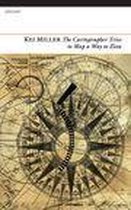
Kei Miller’s ‘The Cartographer Tries to Map a Way to Zion’ establishes a dialogue between
two opposing figures, the pioneering cartographer and the rastaman. Their differing syntax
signifies the wider disconnect between their cultures and a lack of understanding, or
“common ground”; the cartographer can be seen to represent European colonisation as he
tries to impose his “universal measures”, whilst the rastaman gives voice to those who are
oppressed in the colonies, in turn aiming to provide the cartographer with insight into the the
lives of his people so that he may “pennie the secret names of places”, creating a map that
represents themselves and connects them to their history.
The titular poem begins with the cartographer trying to define, almost apologetically, his job,
“to imagine what loss may feel like”. Immediately, his privilege in not recognising the
colonised people’s “loss” becomes apparent- his role has an element of detachment, where
maybe he doesn’t understand the intricacies of life for those from a separate culture, hence
him having to “imagine” life for others in order to create his maps.
At the beginning of the poem, his speech appears tentative, the repeated use of modal verbs
such as “might” suggesting that he is inadvertently trying to justify his role to himself as well
as the reader, and to convince the rastaman of his good intentions. However, as the poem
continues, the cartographer’s tone grows more confident and direct, as he states that his job
is to “untangle the tangled, unworry the concerned”- the use of negative prefixes here is
used to imply that the cartographer sees his job as ‘fixing’ the problems of the people
(metaphorically enslaved to disorganisation), a noble trade- not dissimilar to the European
colonists in ‘Establishing the Metre’. His vocation grows as the poem progresses, the “ironic
question: how did we find ourselves here?” giving him increased power over others, as he
believes it is him alone who’s required to provide an answer to guide others, through his
maps. The rastaman, however, responds to the cartographer with an opposing viewpoint,
believing the effect of his job is to “make thin and crushable all that is big and as real as
ourselves”, the juxtaposition emphasising the unnatural and contradictory nature of the
cartographer’s work. In this way, the rastaman relays his mistrust of the “mapmaker’s work”,
choosing to reduce the cartographer’s profession as he reduced the people of the Caribbean
by ignoring their history, and showing his mistrust of the profession.
Despite this, the rastaman also describes elements of the ‘duty’ of a cartographer, although
different to those he himself perceives; the rastaman believes he should “make visible things
that shoulda never exist in the first place”, perhaps commenting on the ongoing effects of
European settlement. He proposes his argument fluently through enjambment and patois (in
contrast to the cartographer’s regimented, formal lines).
Here the wider issue is highlighted; the cartographer misrepresenting the people’s lives that
he’s inadvertently mapping on his way to Zion. The rastaman accuses him of trying to “make
invisible… plenty things that poor people cyaa do without”, relaying his emotion. Here their
conversation seems weighed down by colonial history and their differing worldviews, both
parties becoming defensive of their opinions.
rather than a shared conversation. How far do you agree with this
statement?
Write about the parts of the title poem covered so far - parts i-xi.
Kei Miller’s ‘The Cartographer Tries to Map a Way to Zion’ establishes a dialogue between
two opposing figures, the pioneering cartographer and the rastaman. Their differing syntax
signifies the wider disconnect between their cultures and a lack of understanding, or
“common ground”; the cartographer can be seen to represent European colonisation as he
tries to impose his “universal measures”, whilst the rastaman gives voice to those who are
oppressed in the colonies, in turn aiming to provide the cartographer with insight into the the
lives of his people so that he may “pennie the secret names of places”, creating a map that
represents themselves and connects them to their history.
The titular poem begins with the cartographer trying to define, almost apologetically, his job,
“to imagine what loss may feel like”. Immediately, his privilege in not recognising the
colonised people’s “loss” becomes apparent- his role has an element of detachment, where
maybe he doesn’t understand the intricacies of life for those from a separate culture, hence
him having to “imagine” life for others in order to create his maps.
At the beginning of the poem, his speech appears tentative, the repeated use of modal verbs
such as “might” suggesting that he is inadvertently trying to justify his role to himself as well
as the reader, and to convince the rastaman of his good intentions. However, as the poem
continues, the cartographer’s tone grows more confident and direct, as he states that his job
is to “untangle the tangled, unworry the concerned”- the use of negative prefixes here is
used to imply that the cartographer sees his job as ‘fixing’ the problems of the people
(metaphorically enslaved to disorganisation), a noble trade- not dissimilar to the European
colonists in ‘Establishing the Metre’. His vocation grows as the poem progresses, the “ironic
question: how did we find ourselves here?” giving him increased power over others, as he
believes it is him alone who’s required to provide an answer to guide others, through his
maps. The rastaman, however, responds to the cartographer with an opposing viewpoint,
believing the effect of his job is to “make thin and crushable all that is big and as real as
ourselves”, the juxtaposition emphasising the unnatural and contradictory nature of the
cartographer’s work. In this way, the rastaman relays his mistrust of the “mapmaker’s work”,
choosing to reduce the cartographer’s profession as he reduced the people of the Caribbean
by ignoring their history, and showing his mistrust of the profession.
Despite this, the rastaman also describes elements of the ‘duty’ of a cartographer, although
different to those he himself perceives; the rastaman believes he should “make visible things
that shoulda never exist in the first place”, perhaps commenting on the ongoing effects of
European settlement. He proposes his argument fluently through enjambment and patois (in
contrast to the cartographer’s regimented, formal lines).
Here the wider issue is highlighted; the cartographer misrepresenting the people’s lives that
he’s inadvertently mapping on his way to Zion. The rastaman accuses him of trying to “make
invisible… plenty things that poor people cyaa do without”, relaying his emotion. Here their
conversation seems weighed down by colonial history and their differing worldviews, both
parties becoming defensive of their opinions.