Ecosystems
23.1 Ecosystems
23.1 ecosystems
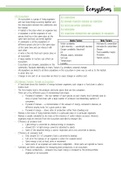
- An ecosystem is a group of living organisms
and non-living things occurring together and 23.2 biomass transfer through an ecosystem
the interactions between the community and 23.3 recycling within ecosystems
the habitat.
- A habitat is the place where an organism lives. 23.4 succession
- A population is all the organisms of one 23.5 measuring distribution and abundance of organisms
species that live in the same place at the
same time and that can breed together.
Abiotic Factors Biotic Factors
- A community is all the populations of
different species who live in the same place - Water availability - Interspecific competition
at the same time and can interact with - Light intensity – wavelength duration - Intraspecific competition
each other. - Oxygen availability (dissolved) - Disease
- A niche is the role that each species plays in - pH - Food availability/supply
an ecosystem. - Altitude, aspect, inclination - Predation
- A large number of factors can affect an - Soil type - Human activity
ecosystem. - Temperature
- Ecosystems are dynamic, populations in the - Humidity
community fluctuate depending on many factors. E.g., predation, seasonal changes.
- All populations are linked to all other populations in the ecosystem in some way as well as to the habitat
in which they live.
- Changes in one part of an ecosystem are likely to cause changes in another part.
23.2 Biomass Transfer Through an Ecosystem
- A food chain shows the transfer of energy between organisms, each stage in a food chain is called a
trophic level.
- The first trophic level is the producer and levels above that are the consumers
- There are a few different ways of representing food chains:
o Pyramid of numbers – the raw number of each species at each trophic level. Normally used to
show a typical food chain with a large number of producers but diminishing numbers of
consumers.
o Pyramid of biomass – a representation of the amount of energy contained in biomass, at
different trophic levels for a given point in time.
o Pyramid of energy – shows rates of production rather than standing crop
- Biomass is the mass of living material present in a particular place or in particular organisms.
- Biomass is usually calculated as dry mass as the presence of water reduces accuracy. However,
organisms must be removed from the ecosystem and killed to measure this.
- Efficiency at producer level:
o Light energy is converted to chemical energy in producers.
o Around 90% of light energy cannot be absorbed by plants
o Some of the absorbed energy is used in respiration and is not converted to biomass.
- Efficiency at consumer level:
o Only around 10% of consumers food is converted to biomass.
o Not all of the biomass of an organism is eaten (for example bones).
o Some energy is lost as heat, urine or movement
o Some parts of an organism are eaten but is indigestible – these parts are egested as faeces.
- Scientists use three calculations for measuring plant productivity in an ecosystem.
o Primary productivity – measures how much energy is produced by the photosynthetic
organisms in an ecosystem.
23.1 Ecosystems
23.1 ecosystems
- An ecosystem is a group of living organisms
and non-living things occurring together and 23.2 biomass transfer through an ecosystem
the interactions between the community and 23.3 recycling within ecosystems
the habitat.
- A habitat is the place where an organism lives. 23.4 succession
- A population is all the organisms of one 23.5 measuring distribution and abundance of organisms
species that live in the same place at the
same time and that can breed together.
Abiotic Factors Biotic Factors
- A community is all the populations of
different species who live in the same place - Water availability - Interspecific competition
at the same time and can interact with - Light intensity – wavelength duration - Intraspecific competition
each other. - Oxygen availability (dissolved) - Disease
- A niche is the role that each species plays in - pH - Food availability/supply
an ecosystem. - Altitude, aspect, inclination - Predation
- A large number of factors can affect an - Soil type - Human activity
ecosystem. - Temperature
- Ecosystems are dynamic, populations in the - Humidity
community fluctuate depending on many factors. E.g., predation, seasonal changes.
- All populations are linked to all other populations in the ecosystem in some way as well as to the habitat
in which they live.
- Changes in one part of an ecosystem are likely to cause changes in another part.
23.2 Biomass Transfer Through an Ecosystem
- A food chain shows the transfer of energy between organisms, each stage in a food chain is called a
trophic level.
- The first trophic level is the producer and levels above that are the consumers
- There are a few different ways of representing food chains:
o Pyramid of numbers – the raw number of each species at each trophic level. Normally used to
show a typical food chain with a large number of producers but diminishing numbers of
consumers.
o Pyramid of biomass – a representation of the amount of energy contained in biomass, at
different trophic levels for a given point in time.
o Pyramid of energy – shows rates of production rather than standing crop
- Biomass is the mass of living material present in a particular place or in particular organisms.
- Biomass is usually calculated as dry mass as the presence of water reduces accuracy. However,
organisms must be removed from the ecosystem and killed to measure this.
- Efficiency at producer level:
o Light energy is converted to chemical energy in producers.
o Around 90% of light energy cannot be absorbed by plants
o Some of the absorbed energy is used in respiration and is not converted to biomass.
- Efficiency at consumer level:
o Only around 10% of consumers food is converted to biomass.
o Not all of the biomass of an organism is eaten (for example bones).
o Some energy is lost as heat, urine or movement
o Some parts of an organism are eaten but is indigestible – these parts are egested as faeces.
- Scientists use three calculations for measuring plant productivity in an ecosystem.
o Primary productivity – measures how much energy is produced by the photosynthetic
organisms in an ecosystem.