Unit 2 – P2 Task
Explain the rules of statutory interpretation with case studies.
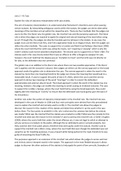
The aim of statutory interpretation is to understand what Parliament’s intentions were when passing
certain statutes. By interpreting ambiguous words within the statute, the judges can derive alternative
meanings of the narrative set out within the respective acts. There are four methods that the judges can
use to do this: the literal rule, the golden rule, the mischief rule and the purposive approach. The literal
rule is when the judges are required to apply the original and natural meaning of the word when using
an act. Through this, the judges can directly translate word or phrases in the statute. In any case, the
judges must use the literal rule first, and if this application leads to an illogical result, then the judges can
utilise the other methods. The cases to support this is London and North East Railway v Berriman (1946)
where the court held that the victim was oiling the tracks, not “repairing or relaying” which is why the
victim’s widow could not be awarded compensation. The second case to support this is Fisher v Bell. The
statute used in this case clearly stated that it was an offence to offer a dangerous weapon for sale,
however, the court held that the display was an “invitation to treat” and the knife was not directly on
for sale, so the defendant was not convicted.
The golden rule is an addition to the literal rule where there are two possible approaches. If the literal
rule is applied, and the outcome is absurd, then judges can either use the narrow approach or the broad
approach under the golden rule to determine the case. The narrow approach is when the word in the
statute has more than one meaning therefore the judge can choose the meaning that would lead to a
reasonable result. A case to support this point of law is R v Allen, where the court used the narrow
approach to derive two meanings of the word “marriage” in order to convict the defendant
appropriately and avoid an absurd result. The broad approach is when the word in the statute has one
meaning, however, the judge can modify the meaning to avoid causing an irrational outcome. The case
to support this is Adler v George, where the court held that by using the broad approach, they could
slightly alter the meaning of “vicinity” to ensure that the defendant was found guilty upon the basis of
his misconduct.
Another rule under the section of statutory interpretation is the mischief rule. The mischief rule was
developed in the case of Heydon in 1584 and four main principles were derived from this precedented
case to explain the mischief and remedy used to rectify it. The mischief rule allows the judges to
discover the reason for the creation of the statute and determine whether it can be used in the case
before them. The four points to establish in this rule is what was the common law before the statute
was made? What was the mischief that the statute was created to rectify? What was the remedy for this
mischief and what was the reason for this remedy? A case to portray the mischief rule, is Smith v Hughes
(1960), where the courts held that under the street offences act, it was not legal to solicit or attempt to
sell any services or products to the public. Although the six defendants were in private property, but
they could be seen from public places, therefore they were guilty under this statute. Another case to
support the mischief rule is Elliot v Grey, where the court held that even though the defendant was not
using the car for travelling purposes, it was a hazard whilst being parked on the road, therefore he was
guilty of breaching the Road Traffic Act.
The purposive approach is an extension of the mischief rule which allows the judges to access extrinsic
and intrinsic aids to interpret words in the statute. This approach is the most flexible because it allows
judges to discover the other sections of the statute to help apply the point of law correctly. Examples of
Explain the rules of statutory interpretation with case studies.
The aim of statutory interpretation is to understand what Parliament’s intentions were when passing
certain statutes. By interpreting ambiguous words within the statute, the judges can derive alternative
meanings of the narrative set out within the respective acts. There are four methods that the judges can
use to do this: the literal rule, the golden rule, the mischief rule and the purposive approach. The literal
rule is when the judges are required to apply the original and natural meaning of the word when using
an act. Through this, the judges can directly translate word or phrases in the statute. In any case, the
judges must use the literal rule first, and if this application leads to an illogical result, then the judges can
utilise the other methods. The cases to support this is London and North East Railway v Berriman (1946)
where the court held that the victim was oiling the tracks, not “repairing or relaying” which is why the
victim’s widow could not be awarded compensation. The second case to support this is Fisher v Bell. The
statute used in this case clearly stated that it was an offence to offer a dangerous weapon for sale,
however, the court held that the display was an “invitation to treat” and the knife was not directly on
for sale, so the defendant was not convicted.
The golden rule is an addition to the literal rule where there are two possible approaches. If the literal
rule is applied, and the outcome is absurd, then judges can either use the narrow approach or the broad
approach under the golden rule to determine the case. The narrow approach is when the word in the
statute has more than one meaning therefore the judge can choose the meaning that would lead to a
reasonable result. A case to support this point of law is R v Allen, where the court used the narrow
approach to derive two meanings of the word “marriage” in order to convict the defendant
appropriately and avoid an absurd result. The broad approach is when the word in the statute has one
meaning, however, the judge can modify the meaning to avoid causing an irrational outcome. The case
to support this is Adler v George, where the court held that by using the broad approach, they could
slightly alter the meaning of “vicinity” to ensure that the defendant was found guilty upon the basis of
his misconduct.
Another rule under the section of statutory interpretation is the mischief rule. The mischief rule was
developed in the case of Heydon in 1584 and four main principles were derived from this precedented
case to explain the mischief and remedy used to rectify it. The mischief rule allows the judges to
discover the reason for the creation of the statute and determine whether it can be used in the case
before them. The four points to establish in this rule is what was the common law before the statute
was made? What was the mischief that the statute was created to rectify? What was the remedy for this
mischief and what was the reason for this remedy? A case to portray the mischief rule, is Smith v Hughes
(1960), where the courts held that under the street offences act, it was not legal to solicit or attempt to
sell any services or products to the public. Although the six defendants were in private property, but
they could be seen from public places, therefore they were guilty under this statute. Another case to
support the mischief rule is Elliot v Grey, where the court held that even though the defendant was not
using the car for travelling purposes, it was a hazard whilst being parked on the road, therefore he was
guilty of breaching the Road Traffic Act.
The purposive approach is an extension of the mischief rule which allows the judges to access extrinsic
and intrinsic aids to interpret words in the statute. This approach is the most flexible because it allows
judges to discover the other sections of the statute to help apply the point of law correctly. Examples of