H1 Looking back in history
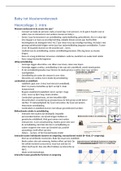
What is an organization?
--> organizations are:
- Social entities
- They have goals and objectives
- They are designed as a system of consciously structured and coordinated activities
- They operate in connectedness with the external environment
1. The rational approach
19th century: sociologists Karl marx, Emile Drurkheim and Max Weber (founders of the modern science of
sociology)
Studies the implications of the shift from feudalism to capitalism and the transition from a rural-
agrarian to an urban-industrial society
--> Marx: focused on the working class
--> Durkheim: offered his analysis of what he saw as the loss of solidarity in this new society
--> Weber: the first true organizational sociologist
Important to remember the context of the time
--> the turn of the 20th century marked an interesting turning point for organizations because of 4 elements:
- Introduction of steam-driven machines: they have a larger capacity then employees but perform the
same tasks
- Advances in scientific knowledge --> made it possible to produce high-quality steel cheaply --> made it
possible to develop better machinery and more sophisticated forms of mechanization
- Improvements on the supply of electricity
- All these evolutions led to the creation of new products for a new type of consumer
Taylor: one of the ‘founding fathers’ of Organizational Behavior’
--> laid the foundations for Scientific management
= a scientific approach to management in which all tasks in organizations are in-depth analyzed,
routinised, divided and standardized, instead of using rules-of-thumb
--> SO approach to management in which all tasks are standardized
1
,He looked at something new: the task of the individual employees, the factory worker
- A problem statement: every factory worker performed the task, but they did it in many different ways
he initiated a number of experiments to determine the methods that provides us the most optimal
return within the organization
conclusion of earlier studies: many different techniques for the same task
greater optimalisation through greater uniformity must be possible
To prove his point: he studied every task in an organization and divided each task into sub-tasks
then, he eliminated the unnecessary and time-consuming tasks and/or movements performed by the
workforce while at the same time developing more appropriate tools
allows him to identify the most efficient method of working for that organization
= the one best way
the standardized method that all the organization’s workers were obliged to use
Taylor: used this knowledge and experience to work as a consultant for Henry Ford
- Ford at that time: producing aircraft wheels taylor’s methods: significantly reducing the time
needed to assemble these wheels
- Ford Motor Company: one of the first manufacturers to mass produce vehicles on a production line
Taylor helped to design and later adjust the production system, so that the work could be
standardized optimally
o NOW: standardization not only based on results of time and motion studies, also involved
optimalization of all tools and equipment and the interchangeability of standard parts in all
Ford models
Ford offered people the first vehicle that was affordable to those of middling income, was cheap and easy to
maintain, had light and inflatable wheels and offered a comfortable ride over the cobbled roads of the day
Ford carried further rationalization and optimalization force down the prices lower pay higher wages
introduce an 8-hour working day increased the purchasing power op his workforce could become bigger
consumers
2
,Taylor’s ideas led to a number of important consequences for organization:
- A higher return
- Standardization of products and activities
- Greater control and predictability
- Greater sub-division and more routine tasks reduced training time and made possible the use of
unskilled labor
- A ‘managers must think, workers only work’ philosophy
- Optimalization of the tools and equipment used
applying the ideas of scientific management has an impact on the organization
BUT resistance grew: came from the workers themselves, later from the unions who represent them
resulting in a wave of strikes and social unrest
- The application of the scientific approach to labor by company leaders was inspired solely by the
desire to secure even greater profits by increasing the pressure on their workforce
- Others were more nuanced: they placed the focus on their fears for the ‘deskilling’ or the devaluation
of human labor, which they believed would lead to social alienation
Taylor: aware of the resistance BUT he was convinced that workers deliberately worked slower, in an attempt
to ensure that his findings would not result in the tempo of their work being increased
lack of dialect supervision
suggested that the tasks of the foreman (the front-line supervisor) should be split up into different sub-tasks
(one for the contribution and allocation of task to the workers,
one for ensuring the quality of implementation
and one for ensuring the reasonable speed of execution)
Taylor took no account of important aspects of the human factor in organizations
he is said to have ignored the importance of professional pride and job satisfaction and the
significance of forms of reward other than the purely financial
many subsequent researchers have questioned his exaggerated sub-division and routinization of tasks
it is generally accepted that Taylor laid the foundations for further research and applications in the field
Also other thinkers who developed organizational theories that were not exclusively focused on the individual,
but concentrated instead on the aspect of management as a separate and necessary task in every organization
an era when entrepreneurs were usually wealthy men in their own right and temped to appoint engineers to
run their companies as managers
3
, So managers were nearly always trained engineers
Henri Fayol: the first person to explore the task of ‘management’ as a separate and important function within
organization
his work can be regarded as a kind of management training course
Theories: describes the 5 basic tasks of management within the different functional field of an organization:
- Production
- Purchasing and ales
- Finance
- Security
- Bookkeeping and administration
Fayol’s 5 basic tasks of management and their basic principles:
1. Planning
A strategic organizational plan is made with the long term in mind and can be regularly revised
Principles:
- A plan must seek to achieve general organizational/enterprise objectives
- Long-term and short-term plans must influence each other and be attuned to each other
- A plan must be flexible and capable of adjustment to changing circumstances
- A plan must be specific and expressed in sufficiently operational terms
2. Organizing
involves the allocation of materials, resources and personnel
Fayol foresees a strictly ordered hierarchical line within each organization
Principles:
- Each organization is based on the concept of unity of leadership
- Everyone’s responsibilities are clearly set out
- The organization operates in accordance with clearly defined procedures
- All the rules and different levels of authority are clearly set out in an organigram
3. Leading
An organization must give guidelines and set tasks for its people
4
What is an organization?
--> organizations are:
- Social entities
- They have goals and objectives
- They are designed as a system of consciously structured and coordinated activities
- They operate in connectedness with the external environment
1. The rational approach
19th century: sociologists Karl marx, Emile Drurkheim and Max Weber (founders of the modern science of
sociology)
Studies the implications of the shift from feudalism to capitalism and the transition from a rural-
agrarian to an urban-industrial society
--> Marx: focused on the working class
--> Durkheim: offered his analysis of what he saw as the loss of solidarity in this new society
--> Weber: the first true organizational sociologist
Important to remember the context of the time
--> the turn of the 20th century marked an interesting turning point for organizations because of 4 elements:
- Introduction of steam-driven machines: they have a larger capacity then employees but perform the
same tasks
- Advances in scientific knowledge --> made it possible to produce high-quality steel cheaply --> made it
possible to develop better machinery and more sophisticated forms of mechanization
- Improvements on the supply of electricity
- All these evolutions led to the creation of new products for a new type of consumer
Taylor: one of the ‘founding fathers’ of Organizational Behavior’
--> laid the foundations for Scientific management
= a scientific approach to management in which all tasks in organizations are in-depth analyzed,
routinised, divided and standardized, instead of using rules-of-thumb
--> SO approach to management in which all tasks are standardized
1
,He looked at something new: the task of the individual employees, the factory worker
- A problem statement: every factory worker performed the task, but they did it in many different ways
he initiated a number of experiments to determine the methods that provides us the most optimal
return within the organization
conclusion of earlier studies: many different techniques for the same task
greater optimalisation through greater uniformity must be possible
To prove his point: he studied every task in an organization and divided each task into sub-tasks
then, he eliminated the unnecessary and time-consuming tasks and/or movements performed by the
workforce while at the same time developing more appropriate tools
allows him to identify the most efficient method of working for that organization
= the one best way
the standardized method that all the organization’s workers were obliged to use
Taylor: used this knowledge and experience to work as a consultant for Henry Ford
- Ford at that time: producing aircraft wheels taylor’s methods: significantly reducing the time
needed to assemble these wheels
- Ford Motor Company: one of the first manufacturers to mass produce vehicles on a production line
Taylor helped to design and later adjust the production system, so that the work could be
standardized optimally
o NOW: standardization not only based on results of time and motion studies, also involved
optimalization of all tools and equipment and the interchangeability of standard parts in all
Ford models
Ford offered people the first vehicle that was affordable to those of middling income, was cheap and easy to
maintain, had light and inflatable wheels and offered a comfortable ride over the cobbled roads of the day
Ford carried further rationalization and optimalization force down the prices lower pay higher wages
introduce an 8-hour working day increased the purchasing power op his workforce could become bigger
consumers
2
,Taylor’s ideas led to a number of important consequences for organization:
- A higher return
- Standardization of products and activities
- Greater control and predictability
- Greater sub-division and more routine tasks reduced training time and made possible the use of
unskilled labor
- A ‘managers must think, workers only work’ philosophy
- Optimalization of the tools and equipment used
applying the ideas of scientific management has an impact on the organization
BUT resistance grew: came from the workers themselves, later from the unions who represent them
resulting in a wave of strikes and social unrest
- The application of the scientific approach to labor by company leaders was inspired solely by the
desire to secure even greater profits by increasing the pressure on their workforce
- Others were more nuanced: they placed the focus on their fears for the ‘deskilling’ or the devaluation
of human labor, which they believed would lead to social alienation
Taylor: aware of the resistance BUT he was convinced that workers deliberately worked slower, in an attempt
to ensure that his findings would not result in the tempo of their work being increased
lack of dialect supervision
suggested that the tasks of the foreman (the front-line supervisor) should be split up into different sub-tasks
(one for the contribution and allocation of task to the workers,
one for ensuring the quality of implementation
and one for ensuring the reasonable speed of execution)
Taylor took no account of important aspects of the human factor in organizations
he is said to have ignored the importance of professional pride and job satisfaction and the
significance of forms of reward other than the purely financial
many subsequent researchers have questioned his exaggerated sub-division and routinization of tasks
it is generally accepted that Taylor laid the foundations for further research and applications in the field
Also other thinkers who developed organizational theories that were not exclusively focused on the individual,
but concentrated instead on the aspect of management as a separate and necessary task in every organization
an era when entrepreneurs were usually wealthy men in their own right and temped to appoint engineers to
run their companies as managers
3
, So managers were nearly always trained engineers
Henri Fayol: the first person to explore the task of ‘management’ as a separate and important function within
organization
his work can be regarded as a kind of management training course
Theories: describes the 5 basic tasks of management within the different functional field of an organization:
- Production
- Purchasing and ales
- Finance
- Security
- Bookkeeping and administration
Fayol’s 5 basic tasks of management and their basic principles:
1. Planning
A strategic organizational plan is made with the long term in mind and can be regularly revised
Principles:
- A plan must seek to achieve general organizational/enterprise objectives
- Long-term and short-term plans must influence each other and be attuned to each other
- A plan must be flexible and capable of adjustment to changing circumstances
- A plan must be specific and expressed in sufficiently operational terms
2. Organizing
involves the allocation of materials, resources and personnel
Fayol foresees a strictly ordered hierarchical line within each organization
Principles:
- Each organization is based on the concept of unity of leadership
- Everyone’s responsibilities are clearly set out
- The organization operates in accordance with clearly defined procedures
- All the rules and different levels of authority are clearly set out in an organigram
3. Leading
An organization must give guidelines and set tasks for its people
4