Introduction
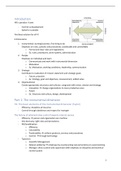
HR is paradox: 4 axes
- Control vs development
- Systems vs people
Find best solution for all 4!
4 dimensions:
1. Instrumental: starting business: first thing to do
Emphasis on rules, systems and procedures: predictable and controllable
o Formal and clear rules and regulations
o Ex. rules, procedures, work systems, administration
2. People
Emphasis on individual and team
o Communicate and work with instrumental dimension
o Motivation
o Ex. Motivation, working conditions, leadership, communication
3. Strategic
Contribute to realization of mission statement and strategic goals
o Future, proactive
o Ex. Strategy, goal and objectives, measurement, added value
4. Organisational
Create appropriate structures and cultures: congruent with vision, mission and strategy
o Innovation → change organisations to more productive ones
o Power
o Ex. Structure and culture, design, development
Part 1: The instrumental dimension
H1: The basic elements of the instrumental dimension (Taylor)
- Efficiency, discipline at low price
- Control through obedience and respect for manager
The history of administrative control towards internal service
- Efficiency → person and organisation are machine
- One best way: right rules and procedures
- McDonaldization
o Efficiency
o Calculability
o Predictability → uniform products, services and procedures
o Control → through technology
- Taylorism
o Scientific Management
o Natural soldiering → employee by counteracting natural tendency to avoid working
o Manager: direct control and supervision with emphasis on discipline and technical
control system
1
, - Administrative control/services
o Introduction of disciplinary interventions → tendency natural soldiering
o Different aspects of instrumental tasks: administration, service delivery, juridical
service, expertise administrative procedures and legal affaire, negotiations for
setting up regulations, rules, agreements and social laws
The role of social partners in setting up instrumental systems
- Important role in revising and bargaining about new rules and procedures
- Neo-corporatism:
o System of consultation and policy making in industrialized countries and coming to
socio-economic agreements
o 2 models:
▪ Rhineland model
▪ Anglo-Saxon model
The core business of the instrumental dimension
Administrative service: necessity of paperwork
Difference between:
- Transactions
o Routine and automatic tasks
o Relatively easy, basic service
o Administrative tasks, paperwork, advice and information giving about routine-based
activities
o Necessary for every department and less contact with service provider
o Ex. Pay, contract, administration, databases
- Transformations
o Change, added value, problem solving; complex service
o Change management
o Complex → HRM professionalism: require personal contact with internal clients
o Ex. Retention, training, development, internal communication, relations
Services:
- Control aspects and systems
- Develop relation to increase demands internal clients
- HRM department judged b employer upon quality service
High cost, but not necessarily higher employee motivation (= hygiene)
Organizational service: from simple to complex work organization
- Efficient and effective
o Clear organization of work processes (connects manual and intellectual labour)
o Clear demarcation of activities and positions
- Horizontal division: sequence of tasks taking place in logical and consistent way through
complete manufacturing process
2
, - Tayloristic principles
o Hierarchical, bureaucratic, rigid with clarity, predictability and obedience structure
o Work specialization: deskilling
▪ Thinking and doing is separated, less authority and autonomy
▪ Leads to reskilling and upgrading
• Need more skills to fulfil tasks
• 1+1 tasks = enrichment of job content
o Management: optimal production through scientific methods
- Job characteristics model:
Five core job characteristics that are
key for employees to excel at their
jobs
Karasek: job demands and control model
- Job demand: require certain effort/cost
- Job control: related to skill or authority to
make decisions
o High control: high degree of
freedom of employees to organize
or plan work
- Model:
o Passive job
▪ Simple work: Taylor
o Low strain job
▪ Relaxed work: over investment job with lot of training but simple and not
stressful
o High strain job
▪ Stressful work: high workload, stress and deadlines
o Active job
▪ Challenging work → high pressure =/= stress when high control
- Job crafting: initiative of employees to customize work to fit needs, values, skills and abilities
- Job design: evaluate job characteristics in integrated way to design motivating job
Some aspects of HRM perspective
- Constant urge to job enrichment
- Attention on fair and equal workload
- Supportive leadership
3
, Social innovation/new ways of working
- New ways: telework, teamwork, flexible hours and flexible offices
- Challenge HR-manager to make work more dynamic, productive and human by using new
work design principles
- Innovation capacity: relation between social innovation and productivity
- Examples jobs probably automated in next decade (Forbes): customer service, repetitive or
dangerous jobs, delivery services, editorial jobs
Juridical service: legal framework of HRM
- In line with existing social laws
- Negotiations on work regulation + formalization
- “+”
o HRM approach within formal procedures in case of conflict
o Contribute to conflict management
- “- “
o Rigidities in management
o Jeopardize1 freedom of management
The 5 ‘E’s in setting up the instrumental HRM
- Economy
o Do we think about costs and profit?
o Most affordable yet high quality solutions
- Efficiency
o Do we use the most appropriate and inexpensive means?
o Balance maximum output and minimum input
o Taylorism and lean management
- Effectivity
o Do we reach our goals and intentions with our instrumental systems?
= strategic value
o Reach preconceived goals
- Effortless
o Simplicity and clarity; improve transparency
- Expression
o Communicative systems, try to communicate as much as possible
o Convince employees and management
1
put (someone or something) into a situation in which there is a danger of loss, harm, or failure
4
HR is paradox: 4 axes
- Control vs development
- Systems vs people
Find best solution for all 4!
4 dimensions:
1. Instrumental: starting business: first thing to do
Emphasis on rules, systems and procedures: predictable and controllable
o Formal and clear rules and regulations
o Ex. rules, procedures, work systems, administration
2. People
Emphasis on individual and team
o Communicate and work with instrumental dimension
o Motivation
o Ex. Motivation, working conditions, leadership, communication
3. Strategic
Contribute to realization of mission statement and strategic goals
o Future, proactive
o Ex. Strategy, goal and objectives, measurement, added value
4. Organisational
Create appropriate structures and cultures: congruent with vision, mission and strategy
o Innovation → change organisations to more productive ones
o Power
o Ex. Structure and culture, design, development
Part 1: The instrumental dimension
H1: The basic elements of the instrumental dimension (Taylor)
- Efficiency, discipline at low price
- Control through obedience and respect for manager
The history of administrative control towards internal service
- Efficiency → person and organisation are machine
- One best way: right rules and procedures
- McDonaldization
o Efficiency
o Calculability
o Predictability → uniform products, services and procedures
o Control → through technology
- Taylorism
o Scientific Management
o Natural soldiering → employee by counteracting natural tendency to avoid working
o Manager: direct control and supervision with emphasis on discipline and technical
control system
1
, - Administrative control/services
o Introduction of disciplinary interventions → tendency natural soldiering
o Different aspects of instrumental tasks: administration, service delivery, juridical
service, expertise administrative procedures and legal affaire, negotiations for
setting up regulations, rules, agreements and social laws
The role of social partners in setting up instrumental systems
- Important role in revising and bargaining about new rules and procedures
- Neo-corporatism:
o System of consultation and policy making in industrialized countries and coming to
socio-economic agreements
o 2 models:
▪ Rhineland model
▪ Anglo-Saxon model
The core business of the instrumental dimension
Administrative service: necessity of paperwork
Difference between:
- Transactions
o Routine and automatic tasks
o Relatively easy, basic service
o Administrative tasks, paperwork, advice and information giving about routine-based
activities
o Necessary for every department and less contact with service provider
o Ex. Pay, contract, administration, databases
- Transformations
o Change, added value, problem solving; complex service
o Change management
o Complex → HRM professionalism: require personal contact with internal clients
o Ex. Retention, training, development, internal communication, relations
Services:
- Control aspects and systems
- Develop relation to increase demands internal clients
- HRM department judged b employer upon quality service
High cost, but not necessarily higher employee motivation (= hygiene)
Organizational service: from simple to complex work organization
- Efficient and effective
o Clear organization of work processes (connects manual and intellectual labour)
o Clear demarcation of activities and positions
- Horizontal division: sequence of tasks taking place in logical and consistent way through
complete manufacturing process
2
, - Tayloristic principles
o Hierarchical, bureaucratic, rigid with clarity, predictability and obedience structure
o Work specialization: deskilling
▪ Thinking and doing is separated, less authority and autonomy
▪ Leads to reskilling and upgrading
• Need more skills to fulfil tasks
• 1+1 tasks = enrichment of job content
o Management: optimal production through scientific methods
- Job characteristics model:
Five core job characteristics that are
key for employees to excel at their
jobs
Karasek: job demands and control model
- Job demand: require certain effort/cost
- Job control: related to skill or authority to
make decisions
o High control: high degree of
freedom of employees to organize
or plan work
- Model:
o Passive job
▪ Simple work: Taylor
o Low strain job
▪ Relaxed work: over investment job with lot of training but simple and not
stressful
o High strain job
▪ Stressful work: high workload, stress and deadlines
o Active job
▪ Challenging work → high pressure =/= stress when high control
- Job crafting: initiative of employees to customize work to fit needs, values, skills and abilities
- Job design: evaluate job characteristics in integrated way to design motivating job
Some aspects of HRM perspective
- Constant urge to job enrichment
- Attention on fair and equal workload
- Supportive leadership
3
, Social innovation/new ways of working
- New ways: telework, teamwork, flexible hours and flexible offices
- Challenge HR-manager to make work more dynamic, productive and human by using new
work design principles
- Innovation capacity: relation between social innovation and productivity
- Examples jobs probably automated in next decade (Forbes): customer service, repetitive or
dangerous jobs, delivery services, editorial jobs
Juridical service: legal framework of HRM
- In line with existing social laws
- Negotiations on work regulation + formalization
- “+”
o HRM approach within formal procedures in case of conflict
o Contribute to conflict management
- “- “
o Rigidities in management
o Jeopardize1 freedom of management
The 5 ‘E’s in setting up the instrumental HRM
- Economy
o Do we think about costs and profit?
o Most affordable yet high quality solutions
- Efficiency
o Do we use the most appropriate and inexpensive means?
o Balance maximum output and minimum input
o Taylorism and lean management
- Effectivity
o Do we reach our goals and intentions with our instrumental systems?
= strategic value
o Reach preconceived goals
- Effortless
o Simplicity and clarity; improve transparency
- Expression
o Communicative systems, try to communicate as much as possible
o Convince employees and management
1
put (someone or something) into a situation in which there is a danger of loss, harm, or failure
4