INTERNATIONAL
PERSPECTIVES ON
EDUCATION
Lectures
,Contents
Lecture 1; introduction to comparative education & culture.............................................................2
Lecture 2; international organizations in education...........................................................................4
Lecture 2 globalization and internationalization of (higher) education..............................................4
Guest lecture 2; culture and education in China................................................................................7
Lecture 3; international comparisons................................................................................................9
Lecture 3; Comparative research........................................................................................................9
Guest lecture 3; International comparisons.....................................................................................10
Guest lecture 3; inclusive classrooms in Austria and south Korea....................................................12
Lecture 4; international organizations.............................................................................................13
Lecture 4; The role of international organizations in education policymaking.................................13
Guest lecture 4; International perspectives on education................................................................16
Lecture 5; education for all..............................................................................................................17
Lecture 5; education in the developing world and gender...............................................................17
Guest lecture 5; Romanian education, shaped by its history............................................................19
Lecture 6: Classroom Teaching; culture differences and three domains..........................................21
Lecture 6; classroom teaching; three domains.................................................................................21
Guest lecture 6; classroom teaching Islamic primary education in the Netherlands........................25
Lecture 7: Classroom Teaching; connection macro and micro level.................................................26
Lecture 7; connection macro and micro level influences..................................................................26
Guest lecture 7; Yemen; education in wartime................................................................................30
Lecture 8; Multicultural Education...................................................................................................31
Overview of important concepts week 8;.........................................................................................38
1
,Lecture 1; introduction to comparative education & culture
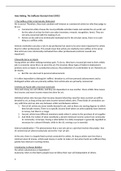
How is IPE different
- Focus on macrolevel (international
Social
actors/policies/culture)
- Focus on contextual factors that affect education
(and vice versa) --> social, political, cultural,
economic, historical Political Cultural
- Other research methods and sources Educational
system
THIS LECTURE
- Introduction
- Comparative education--> started out of the idea
Economic Historical
of borrowing educational things of other countries
- Culture
-
Educational borrowing
- Historically, comparative education was aimed at ‘educational borrowing’ (first phase of
Bereday)
- Example; NL
o Passend onderwijs--> inspired by Danish system
Teaching special students at regular schools instead of special schools
Decentralization (money goes to school corporations)
However are NL and DK comparable?
Does not go very well, hard to balance the attention.
More successful in DK, they also have smaller classes.
- Example; students centered teaching in non-western countries
o Original; teacher in front of class talking about his/her knowledge.
o Students centered is more about students, also more responsible
o Some possible problems with this change
o Educational borrowing is still one of the aims of comparative education, but greater
awareness for cultural and other contextual differences
o Tanzania: “But Madam, if we start a lesson by asking students what they already
know about a topic, they will think we don’t know anything about it ourselves.”
(Vavrus, 2009)
o China: “If I do a poor job everyone will laugh at me, and I’ll feel terrible. I have
shamed myself; I’ve shamed my school education, my parents. Probably that is
related to not speaking too much. … Generally the Chinese are more reserved.”
(Frambach et al., 2014)
Historical stages in comparative education started from travelers’ tales and went to a systematic
field of research
- 2 approaches
o Empirical/positivist; large scale quantitative studies compare educational outcomes
o Interpretivist; in-depth qualitative studies (document analyses, observations,
interviews) to understand education in other countries
Definition of comparative education: An interdisciplinary subfield of education that systematically
examines the similarities and differences between education systems in 2 or more national or
cultural contexts, and their interactions with intra- and extra- educational environments.
2
, Purpose of comparative education:
- To learn about own system and that of other countries
- To enhance our knowledge and education in general
- To improve education institutions, there content, processes and method
- To understand relations between education and society
- To promote international understanding
- To find possible solutions to educational issue
Who undertakes comparative studies?
Academics, policy makers, international institutions
Can have different focus and methods but all do comparative studies
Different international organizations; UNESCO, PISA, OECD.
Aim of these organizations is to help governments share information and analyze
trends on a range of topics, including education in order to bring about social and
economic benefit
Powerful institutions because used for policies
Bereday's model for comparison
- 4 phases
o Description of the data/what you have found of the 2 countries
o Interpretationinterpret findings each countries but not comparing
o Juxtaposition start comparison. What is similar/or not, formulate hypothesis
o Comparison test hypothesis and draw conclusions
Short profile of comparative education
- Historical long-performed activity of studying foreign pedagogy.
- Established academic subfield of education, since WWII.
- Methodology mainly leaning from other humanities and social sciences disciplines, ongoing
debate on central standards, methods, and aims
- Uniquely placed within a political context
- Performed not only by academics, but also by international organizations
Culture
- Hofstede, culture is;
o Always a collective phenomenon (exists within groups
o Learned, not innate
o Manifested in different ways, e.g. practices, symbols, discourse, traditions
o “Culture is the context in which things happen, out of context, even legal matters
lack significance.” Culture can explain both similarities and differences
- Hofstedes model of culture
o 1. Personality = specific to the
individual, inherited and learned
o 2. Culture = specific to a group,
learned
o 3. Human nature = universal,
inherited
- The six dimensions of national culture (use to
describe culture of a nation)
3
PERSPECTIVES ON
EDUCATION
Lectures
,Contents
Lecture 1; introduction to comparative education & culture.............................................................2
Lecture 2; international organizations in education...........................................................................4
Lecture 2 globalization and internationalization of (higher) education..............................................4
Guest lecture 2; culture and education in China................................................................................7
Lecture 3; international comparisons................................................................................................9
Lecture 3; Comparative research........................................................................................................9
Guest lecture 3; International comparisons.....................................................................................10
Guest lecture 3; inclusive classrooms in Austria and south Korea....................................................12
Lecture 4; international organizations.............................................................................................13
Lecture 4; The role of international organizations in education policymaking.................................13
Guest lecture 4; International perspectives on education................................................................16
Lecture 5; education for all..............................................................................................................17
Lecture 5; education in the developing world and gender...............................................................17
Guest lecture 5; Romanian education, shaped by its history............................................................19
Lecture 6: Classroom Teaching; culture differences and three domains..........................................21
Lecture 6; classroom teaching; three domains.................................................................................21
Guest lecture 6; classroom teaching Islamic primary education in the Netherlands........................25
Lecture 7: Classroom Teaching; connection macro and micro level.................................................26
Lecture 7; connection macro and micro level influences..................................................................26
Guest lecture 7; Yemen; education in wartime................................................................................30
Lecture 8; Multicultural Education...................................................................................................31
Overview of important concepts week 8;.........................................................................................38
1
,Lecture 1; introduction to comparative education & culture
How is IPE different
- Focus on macrolevel (international
Social
actors/policies/culture)
- Focus on contextual factors that affect education
(and vice versa) --> social, political, cultural,
economic, historical Political Cultural
- Other research methods and sources Educational
system
THIS LECTURE
- Introduction
- Comparative education--> started out of the idea
Economic Historical
of borrowing educational things of other countries
- Culture
-
Educational borrowing
- Historically, comparative education was aimed at ‘educational borrowing’ (first phase of
Bereday)
- Example; NL
o Passend onderwijs--> inspired by Danish system
Teaching special students at regular schools instead of special schools
Decentralization (money goes to school corporations)
However are NL and DK comparable?
Does not go very well, hard to balance the attention.
More successful in DK, they also have smaller classes.
- Example; students centered teaching in non-western countries
o Original; teacher in front of class talking about his/her knowledge.
o Students centered is more about students, also more responsible
o Some possible problems with this change
o Educational borrowing is still one of the aims of comparative education, but greater
awareness for cultural and other contextual differences
o Tanzania: “But Madam, if we start a lesson by asking students what they already
know about a topic, they will think we don’t know anything about it ourselves.”
(Vavrus, 2009)
o China: “If I do a poor job everyone will laugh at me, and I’ll feel terrible. I have
shamed myself; I’ve shamed my school education, my parents. Probably that is
related to not speaking too much. … Generally the Chinese are more reserved.”
(Frambach et al., 2014)
Historical stages in comparative education started from travelers’ tales and went to a systematic
field of research
- 2 approaches
o Empirical/positivist; large scale quantitative studies compare educational outcomes
o Interpretivist; in-depth qualitative studies (document analyses, observations,
interviews) to understand education in other countries
Definition of comparative education: An interdisciplinary subfield of education that systematically
examines the similarities and differences between education systems in 2 or more national or
cultural contexts, and their interactions with intra- and extra- educational environments.
2
, Purpose of comparative education:
- To learn about own system and that of other countries
- To enhance our knowledge and education in general
- To improve education institutions, there content, processes and method
- To understand relations between education and society
- To promote international understanding
- To find possible solutions to educational issue
Who undertakes comparative studies?
Academics, policy makers, international institutions
Can have different focus and methods but all do comparative studies
Different international organizations; UNESCO, PISA, OECD.
Aim of these organizations is to help governments share information and analyze
trends on a range of topics, including education in order to bring about social and
economic benefit
Powerful institutions because used for policies
Bereday's model for comparison
- 4 phases
o Description of the data/what you have found of the 2 countries
o Interpretationinterpret findings each countries but not comparing
o Juxtaposition start comparison. What is similar/or not, formulate hypothesis
o Comparison test hypothesis and draw conclusions
Short profile of comparative education
- Historical long-performed activity of studying foreign pedagogy.
- Established academic subfield of education, since WWII.
- Methodology mainly leaning from other humanities and social sciences disciplines, ongoing
debate on central standards, methods, and aims
- Uniquely placed within a political context
- Performed not only by academics, but also by international organizations
Culture
- Hofstede, culture is;
o Always a collective phenomenon (exists within groups
o Learned, not innate
o Manifested in different ways, e.g. practices, symbols, discourse, traditions
o “Culture is the context in which things happen, out of context, even legal matters
lack significance.” Culture can explain both similarities and differences
- Hofstedes model of culture
o 1. Personality = specific to the
individual, inherited and learned
o 2. Culture = specific to a group,
learned
o 3. Human nature = universal,
inherited
- The six dimensions of national culture (use to
describe culture of a nation)
3