Table of Contents
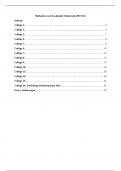
Chapter 2: Environmental Influences..................................................................................3
2.1 organisations..........................................................................................................................3
2.2 stakeholders...........................................................................................................................4
2.3 external factors.......................................................................................................................5
Chapter 3: strategic management....................................................................................11
3.1 the strategic management process.......................................................................................11
3.2 the classical approach to strategic management..................................................................11
3.3 situational analysis...............................................................................................................12
3.3.1 definition of the current vision aims and strategy..............................................................12
3.3.2 internal investigation as part of the situational analysis....................................................14
3.3.3 External research as part of the situational analysis..........................................................15
3.4 strategy formation................................................................................................................17
3.4.1 strategy formation: determining a view for the future......................................................18
3.4.2 strategy formation: development of different strategies...................................................18
3.4.3 strategy formation: evaluation and choice of a strategy....................................................22
3.4.4 strategy formation according to Porter..............................................................................22
3.5 planning and implementation...............................................................................................23
3.5.1 planning cycles...................................................................................................................23
3.5.2 from planning to introduction............................................................................................24
Chapter 5: individuals and teams......................................................................................25
5.2 motivation............................................................................................................................25
5.5 motivating people.................................................................................................................25
5.5.1 motivating by means of financial incentives......................................................................25
5.5.2 motivation by means of task design...................................................................................26
5.5.3 motivating by setting high objectives.................................................................................26
5.7 overloading, stress, stress prevention and burnout..............................................................27
5.7.1 overloading........................................................................................................................27
5.7.2 stress.................................................................................................................................27
5.7.4 burnout..............................................................................................................................29
5.8 intuition and creativity.........................................................................................................30
5.8.1 intuition.............................................................................................................................30
5.8.2 creativity............................................................................................................................30
Chapter 6: management...................................................................................................31
6.1 the manager.........................................................................................................................31
, 6.2 the manager within the organisation....................................................................................31
6.2.1 the managers tasks............................................................................................................32
6.2.2 top managers.....................................................................................................................33
6.2.3 middle management..........................................................................................................33
6.2.4 managers in government...................................................................................................33
6.3 the manager as a director of others......................................................................................34
6.3.1 managers and power.........................................................................................................34
6.3.2 leadership..........................................................................................................................36
6.3.4 the international manager.................................................................................................36
6.5 management and ethics........................................................................................................37
6.6 management and information..............................................................................................38
Chapter 8..........................................................................................................................39
8.2.7 Human resource management...........................................................................................39
8.3 hierarchical levels and specific tasks.....................................................................................43
Chapter 10........................................................................................................................44
10.3 organisational culture.........................................................................................................44
,Chapter 2: Environmental Influences
2.1 organisations
Note: an organisation is influenced by its business environment
Note: our society can be regarded as the environment within which
organisations work
An organisation’s environment consists of:
1. Parties
2. Stakeholders (buyers, suppliers, competitors and financiers)
Note: the parties and stakeholders exert influence on the organisation and the
organisation exerts influence on them.
Environmental factors / external factors / macro factor influences:
1. Environmental factors
2. Technological factors
3. Demographic factors
4. Economic factors
5. Political factors
6. Social factors
Note: the environmental factors exert influence on the organisation, but the
organisation exerts no influence on them. They have an indirect influence
Harmonisation = the directing of an organisation, taking surroundings into
consideration
, 2.2 stakeholders
Stakeholder Influence
Buyers - The organisation will lose buyers if it doesn’t adapt its product to the
consumer needs
Suppliers - The suppliers must keep the organisation satisfied otherwise they
will buy products from competitors
- Organisations demand Just-In-Time delivery
Competitors - Competitors determine the flexibility organisations have in the area
of product features, pricing, quality, distribution channels, R&D
activities, advertising budgets and so on.
- It is important to monitor activities of competitors
Providers of finance Who are they?: shareholders, financial institutions and government
- Organisations are often dependent on finance to maintain their
activities, expand operations and remain in their existing form
- When financiers become dissatisfied they can turn of the money
supply
Employees - A critical success factor
- Their support and cooperation will influence the choice of direction
the organisation takes, as well as its strategies in relationship to
social responsibility and social policy
- Employees expect that corporate social responsibility is an
integrated part of the strategy
Special interest groups Who are they?: federations of employees and employers, consumer
organisations & environment activists
Government & local - These influence organisations because they keep an eye on the way
authority institutions that rules and legislation issued by the government are adhered to
by organisations.
- E.g.: controls by the police and department of trade inspectors of
regulations relation to shop opening times, and checks by the safety
department in relation to working conditions within organisations
Media - The media can have a big influence on public opinion
The extent to which the above-mentioned stakeholders can exercise an influence on
organisations is dependent on a number of factors:
1. The relative dominance that such groups have at any particular moment. With their
dominant position they can exert pressure on an organisation.
Chapter 2: Environmental Influences..................................................................................3
2.1 organisations..........................................................................................................................3
2.2 stakeholders...........................................................................................................................4
2.3 external factors.......................................................................................................................5
Chapter 3: strategic management....................................................................................11
3.1 the strategic management process.......................................................................................11
3.2 the classical approach to strategic management..................................................................11
3.3 situational analysis...............................................................................................................12
3.3.1 definition of the current vision aims and strategy..............................................................12
3.3.2 internal investigation as part of the situational analysis....................................................14
3.3.3 External research as part of the situational analysis..........................................................15
3.4 strategy formation................................................................................................................17
3.4.1 strategy formation: determining a view for the future......................................................18
3.4.2 strategy formation: development of different strategies...................................................18
3.4.3 strategy formation: evaluation and choice of a strategy....................................................22
3.4.4 strategy formation according to Porter..............................................................................22
3.5 planning and implementation...............................................................................................23
3.5.1 planning cycles...................................................................................................................23
3.5.2 from planning to introduction............................................................................................24
Chapter 5: individuals and teams......................................................................................25
5.2 motivation............................................................................................................................25
5.5 motivating people.................................................................................................................25
5.5.1 motivating by means of financial incentives......................................................................25
5.5.2 motivation by means of task design...................................................................................26
5.5.3 motivating by setting high objectives.................................................................................26
5.7 overloading, stress, stress prevention and burnout..............................................................27
5.7.1 overloading........................................................................................................................27
5.7.2 stress.................................................................................................................................27
5.7.4 burnout..............................................................................................................................29
5.8 intuition and creativity.........................................................................................................30
5.8.1 intuition.............................................................................................................................30
5.8.2 creativity............................................................................................................................30
Chapter 6: management...................................................................................................31
6.1 the manager.........................................................................................................................31
, 6.2 the manager within the organisation....................................................................................31
6.2.1 the managers tasks............................................................................................................32
6.2.2 top managers.....................................................................................................................33
6.2.3 middle management..........................................................................................................33
6.2.4 managers in government...................................................................................................33
6.3 the manager as a director of others......................................................................................34
6.3.1 managers and power.........................................................................................................34
6.3.2 leadership..........................................................................................................................36
6.3.4 the international manager.................................................................................................36
6.5 management and ethics........................................................................................................37
6.6 management and information..............................................................................................38
Chapter 8..........................................................................................................................39
8.2.7 Human resource management...........................................................................................39
8.3 hierarchical levels and specific tasks.....................................................................................43
Chapter 10........................................................................................................................44
10.3 organisational culture.........................................................................................................44
,Chapter 2: Environmental Influences
2.1 organisations
Note: an organisation is influenced by its business environment
Note: our society can be regarded as the environment within which
organisations work
An organisation’s environment consists of:
1. Parties
2. Stakeholders (buyers, suppliers, competitors and financiers)
Note: the parties and stakeholders exert influence on the organisation and the
organisation exerts influence on them.
Environmental factors / external factors / macro factor influences:
1. Environmental factors
2. Technological factors
3. Demographic factors
4. Economic factors
5. Political factors
6. Social factors
Note: the environmental factors exert influence on the organisation, but the
organisation exerts no influence on them. They have an indirect influence
Harmonisation = the directing of an organisation, taking surroundings into
consideration
, 2.2 stakeholders
Stakeholder Influence
Buyers - The organisation will lose buyers if it doesn’t adapt its product to the
consumer needs
Suppliers - The suppliers must keep the organisation satisfied otherwise they
will buy products from competitors
- Organisations demand Just-In-Time delivery
Competitors - Competitors determine the flexibility organisations have in the area
of product features, pricing, quality, distribution channels, R&D
activities, advertising budgets and so on.
- It is important to monitor activities of competitors
Providers of finance Who are they?: shareholders, financial institutions and government
- Organisations are often dependent on finance to maintain their
activities, expand operations and remain in their existing form
- When financiers become dissatisfied they can turn of the money
supply
Employees - A critical success factor
- Their support and cooperation will influence the choice of direction
the organisation takes, as well as its strategies in relationship to
social responsibility and social policy
- Employees expect that corporate social responsibility is an
integrated part of the strategy
Special interest groups Who are they?: federations of employees and employers, consumer
organisations & environment activists
Government & local - These influence organisations because they keep an eye on the way
authority institutions that rules and legislation issued by the government are adhered to
by organisations.
- E.g.: controls by the police and department of trade inspectors of
regulations relation to shop opening times, and checks by the safety
department in relation to working conditions within organisations
Media - The media can have a big influence on public opinion
The extent to which the above-mentioned stakeholders can exercise an influence on
organisations is dependent on a number of factors:
1. The relative dominance that such groups have at any particular moment. With their
dominant position they can exert pressure on an organisation.