Page 1 of 44 Page 1 of 44 NR602 FINAL EXAM.pdf
NR602 FINAL EXAM
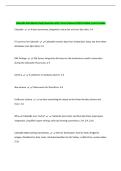
triad symptoms intussusception
• Paroxysmal, episodic abdominal pain with vomiting every 5 to 30 minutes.
Vomiting is nonbilious initially. Some children do not have any pain.
• Screaming with drawing up of the legs with periods of calm, sleeping, or
lethargy between episodes.
• Stool, possibly diarrhea in nature, with blood ("currant jelly").
diagnosis of intussusception
ultrasound is gold standard
Dance sign
Sausage like mass in RUQ with emptiness in RLQ (intussusception)
Physical exam intussusception
• Observe the infant's appearance and behavior over a period of time; often the
child appears glassy-eyed and groggy between episodes, almost as if sedated.
• Dance sign
• The abdomen is often distended and tender to palpation.
• Grossly bloody or guaiac-positive stools.
pg. 1
NR602 FINAL EXAM.pdf 1 NR602 FINAL EXAM.pdf
,Page 2 of 44 Page 2 of 44 NR602 FINAL EXAM.pdf
Management intussusception
• Radiologic reduction using a therapeutic air contrast enema under fluoroscopy
is the gold standard.
• Surgery is necessary if perforation, peritonitis, or hypovolemic shock is
suspected or radiologic reduction fails.
• IV antibiotics are often administered to cover potential intestinal perforation.
imaging ingested FB
A single frontal radiograph that includes the neck, chest, and entire abdomen is
usually sufficient to locate the object. Esophageal objects should be precisely
located with frontal and lateral chest radiographs. Coins in the esophagus are
usually seen on the frontal view, whereas tracheal coins are more often seen
from the side view
esophageal foreign bodies
must be removed, considered obstruction
management lower GI tract or stomach
Most can be left to pass through GI system. Sharp items must be removed- and
button batteries.
pg. 2
NR602 FINAL EXAM.pdf 2 NR602 FINAL EXAM.pdf
,Page 3 of 44 Page 3 of 44 NR602 FINAL EXAM.pdf
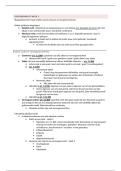
symptoms appendicitis
• Pain: Initially poorly defined periumbilical pain (earliest sign); acute onset of
severe pain is not typical of acute appendicitis. A shifting of pain to the RLQ may
occur after a few hours and becomes more intense, continuous, and localized.
• Nausea and vomiting: Typically occurs after pain; however, in retrocecal
appendicitis, this may be reversed. In gastroenteritis, vomiting precedes the pain.
• Anorexia occurs (although up to 50% of children state that they are hungry).
• Stool is low volume with mucus; diarrhea is atypical but can occur especially
after perforation (gastroenteritis has high-volume, watery stools).
• Fever is neither sensitive nor specific for appendicitis; many children present as
afebrile or with low-grade fever. High fever may be associated with perforation.
physical exam appendicitis
• RLQ pain, pain over McBurney's pt
• Heel-drop jarring test
• Positive psoas sign or obturator sign (or both).
• Rovsing sign or rebound tenderness
• Tenderness and possibly a mass (abscess) on the right side on rectal
examination.
highest accuracy in diagnosis appendicitis
CT
pg. 3
NR602 FINAL EXAM.pdf 3 NR602 FINAL EXAM.pdf
, Page 4 of 44 Page 4 of 44 NR602 FINAL EXAM.pdf
complications appendicitis
Perforation, peritonitis, pelvic abscess, ileus, obstruction, sepsis, shock, and death
can occur
colic definition
Colic is defined as crying for no apparent reason that lasts for 3 hours or more per
day and occurs 3 days or more per week in an otherwise healthy infant younger
than 3 months of age
management colic with probiotics
No studies have shown any benefit
treatment for colic
• Relieve parental stress with the reassurance that crying will stop
• Trial of background noise
• Rocking the baby (not shaking)
• no colic meds
• anti-gas meds are helpful for gas, not colic
• no need to change formula
urine culture should be done when
pg. 4
NR602 FINAL EXAM.pdf 4 NR602 FINAL EXAM.pdf
NR602 FINAL EXAM
triad symptoms intussusception
• Paroxysmal, episodic abdominal pain with vomiting every 5 to 30 minutes.
Vomiting is nonbilious initially. Some children do not have any pain.
• Screaming with drawing up of the legs with periods of calm, sleeping, or
lethargy between episodes.
• Stool, possibly diarrhea in nature, with blood ("currant jelly").
diagnosis of intussusception
ultrasound is gold standard
Dance sign
Sausage like mass in RUQ with emptiness in RLQ (intussusception)
Physical exam intussusception
• Observe the infant's appearance and behavior over a period of time; often the
child appears glassy-eyed and groggy between episodes, almost as if sedated.
• Dance sign
• The abdomen is often distended and tender to palpation.
• Grossly bloody or guaiac-positive stools.
pg. 1
NR602 FINAL EXAM.pdf 1 NR602 FINAL EXAM.pdf
,Page 2 of 44 Page 2 of 44 NR602 FINAL EXAM.pdf
Management intussusception
• Radiologic reduction using a therapeutic air contrast enema under fluoroscopy
is the gold standard.
• Surgery is necessary if perforation, peritonitis, or hypovolemic shock is
suspected or radiologic reduction fails.
• IV antibiotics are often administered to cover potential intestinal perforation.
imaging ingested FB
A single frontal radiograph that includes the neck, chest, and entire abdomen is
usually sufficient to locate the object. Esophageal objects should be precisely
located with frontal and lateral chest radiographs. Coins in the esophagus are
usually seen on the frontal view, whereas tracheal coins are more often seen
from the side view
esophageal foreign bodies
must be removed, considered obstruction
management lower GI tract or stomach
Most can be left to pass through GI system. Sharp items must be removed- and
button batteries.
pg. 2
NR602 FINAL EXAM.pdf 2 NR602 FINAL EXAM.pdf
,Page 3 of 44 Page 3 of 44 NR602 FINAL EXAM.pdf
symptoms appendicitis
• Pain: Initially poorly defined periumbilical pain (earliest sign); acute onset of
severe pain is not typical of acute appendicitis. A shifting of pain to the RLQ may
occur after a few hours and becomes more intense, continuous, and localized.
• Nausea and vomiting: Typically occurs after pain; however, in retrocecal
appendicitis, this may be reversed. In gastroenteritis, vomiting precedes the pain.
• Anorexia occurs (although up to 50% of children state that they are hungry).
• Stool is low volume with mucus; diarrhea is atypical but can occur especially
after perforation (gastroenteritis has high-volume, watery stools).
• Fever is neither sensitive nor specific for appendicitis; many children present as
afebrile or with low-grade fever. High fever may be associated with perforation.
physical exam appendicitis
• RLQ pain, pain over McBurney's pt
• Heel-drop jarring test
• Positive psoas sign or obturator sign (or both).
• Rovsing sign or rebound tenderness
• Tenderness and possibly a mass (abscess) on the right side on rectal
examination.
highest accuracy in diagnosis appendicitis
CT
pg. 3
NR602 FINAL EXAM.pdf 3 NR602 FINAL EXAM.pdf
, Page 4 of 44 Page 4 of 44 NR602 FINAL EXAM.pdf
complications appendicitis
Perforation, peritonitis, pelvic abscess, ileus, obstruction, sepsis, shock, and death
can occur
colic definition
Colic is defined as crying for no apparent reason that lasts for 3 hours or more per
day and occurs 3 days or more per week in an otherwise healthy infant younger
than 3 months of age
management colic with probiotics
No studies have shown any benefit
treatment for colic
• Relieve parental stress with the reassurance that crying will stop
• Trial of background noise
• Rocking the baby (not shaking)
• no colic meds
• anti-gas meds are helpful for gas, not colic
• no need to change formula
urine culture should be done when
pg. 4
NR602 FINAL EXAM.pdf 4 NR602 FINAL EXAM.pdf