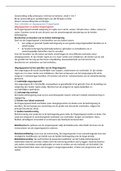
5SSMN216 - LAW AND MANAGEMENT W/B 27th MARCH 2023
TUTORIAL 9 – EXEMPTION CLAUSES
EXEMPTION CLAUSEs - APPROACH TO A PROBLEM QUESTION ON
EXEMPTION CLAUSES
CLAIM – The cause of action -identify parties and explain what is being claimed
by the defendant.
LAW
a) Identify the type of contract e.g., sale of goods, supply of goods and
services, supply of services & relevant statute applying
[Sale of Goods Act 1979 ---- business to business;
Consumer Right Act 2015 ---- business to consumer]
b) Identify relevant implied terms.
c) Consider the breach of contract – which implied terms have been broken
d)Defences – exemption clause – consider:
(i)Incorporation ---written contract---signature [L’Estrange v Graucob (1934)]
(ii) Construction
(iii) Effect of UCTA 1977 or CRA 2015
EVALUATION
Looking at the parties – status of the buyer – determine relevant implied
terms?
Breach of implied terms?
Using the defence of exemption clause – consider incorporation, construction,
effect of UCTA 19777 or CRA 2015
OUTCOME / REASONED ADVICE/ CONCLUSION
PROBLEMS
1) Jack took his suit to be cleaned at a dry cleaning shop. A note on the
wall at the back of the shop said “All items left an owner’s risk.” This
clause was also on the back of the dry cleaning ticket he was given.
He then left his car at a garage for it to be repaired. He was given a
document listing the work that the garage needed to do on the car. The
small print on the document included a clause that said: “The garage
cannot be held responsible for any consequences arising from repairs
made to vehicles.”
When Jack went to collect his suit, he saw it contained stains that were
not there before. He complained, but the shop referred him to the
clause in the shop and on his ticket and said that there was nothing they
could do about it.
TUTORIAL 9 – EXEMPTION CLAUSES
EXEMPTION CLAUSEs - APPROACH TO A PROBLEM QUESTION ON
EXEMPTION CLAUSES
CLAIM – The cause of action -identify parties and explain what is being claimed
by the defendant.
LAW
a) Identify the type of contract e.g., sale of goods, supply of goods and
services, supply of services & relevant statute applying
[Sale of Goods Act 1979 ---- business to business;
Consumer Right Act 2015 ---- business to consumer]
b) Identify relevant implied terms.
c) Consider the breach of contract – which implied terms have been broken
d)Defences – exemption clause – consider:
(i)Incorporation ---written contract---signature [L’Estrange v Graucob (1934)]
(ii) Construction
(iii) Effect of UCTA 1977 or CRA 2015
EVALUATION
Looking at the parties – status of the buyer – determine relevant implied
terms?
Breach of implied terms?
Using the defence of exemption clause – consider incorporation, construction,
effect of UCTA 19777 or CRA 2015
OUTCOME / REASONED ADVICE/ CONCLUSION
PROBLEMS
1) Jack took his suit to be cleaned at a dry cleaning shop. A note on the
wall at the back of the shop said “All items left an owner’s risk.” This
clause was also on the back of the dry cleaning ticket he was given.
He then left his car at a garage for it to be repaired. He was given a
document listing the work that the garage needed to do on the car. The
small print on the document included a clause that said: “The garage
cannot be held responsible for any consequences arising from repairs
made to vehicles.”
When Jack went to collect his suit, he saw it contained stains that were
not there before. He complained, but the shop referred him to the
clause in the shop and on his ticket and said that there was nothing they
could do about it.