Unit 1A
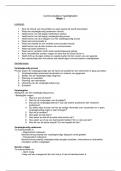
Working in law
Solicitor A British lawyer who advises clients, represents them in the lower
courts, and prepares cases for barristers to try in higher courts
Attorney Professional title of lawyers in the US
Barrister Is specialised in representing clients in court (often in gowns and
wigs), works at higher levels of court than solicitors, often self-
employed and work in ‘chambers’
Lawyer The general job title, used everywhere
Qualified eligible for a role due to having the necessary skills, training, or
credentials.
Litigation Making an claim in the civil court
Right of audience The formal permission or legal authority for a person, typically a
lawyer (barrister or solicitor), to appear in a specific court and speak
on behalf of a client
Practise to be professionally engaged in
Judge a public official authorized to decide questions brought before a
court
Legal practice The professional application of law by a licensed lawyer to provide
services to clients
Advocacy the skill of speaking for someone in court
Appear Go to court to represent someone
Training contract a formal, two-year apprenticeship-style period at a law firm where
aspiring solicitors gain practical legal experience to qualify as a
lawyer
Partnership is a legal business structure where two or more lawyers form a
business to provide legal services
Pleading a case Speaking on behalf of someone in court
Law firm is a business entity formed by lawyers to provide legal services
Acting for This can refer to a lawyer representing a client in court
Represent An attorney "represents" a client in legal proceedings
Specialise a person or firm focuses their work/expertise in a specific legal area
(like family law or real estate)
Clients People who seek a solicitors help
Making a claim in the civil court
Criminal law The law that punishes acts against a person or against property that
people consider to be harmful to the whole community. The state
prosecutes criminals.
Civil law The law concerning the rights and duties of private individuals and
companies other than criminal matters
A matter A subject or situation, a criminal matter, a civil matter
A will A legal document in which a person gives details of what they want
to happen to their property after their death
To steal To take something that belongs to someone else with intention of
keeping it.
, To be in dispute To have serious disagreement with another person
A party to a court The claimant or the defendant
case
The claimant the person or entity who initiates a legal action or formally requests
something (like money, benefits, or compensation) from another
party or entity.
The defendant the person or entity being sued.
To owe money to To have to pay someone for something that they have done for you
someone or given to you.
Legal costs The court fees and payment for the lawyers who are acting for the
parties
A procedure a decided way of doing something
To prosecute To take legal action against someone in the criminal court.
To issue a claim… Start a claim in the civil court
To pay a fee… To pay the court an amount of money
To serve a claim… To send the claim
To respond to a To confirm that you have received
claim…
To hear a case To listen to the details
means…
To find in favour of To decide that this person has won
s.o.
To give a To officially announce the result
judgment…
To make an order To officially state what s.o. has to do, how and when
A bailiff A person who can legally take a person’s possessions when that
person does not pay money that he or she owes
Areas of law
Law of tort The law that says that everyone has a civil duty to be careful and not
to hurt or harm another person.
Duty of care The civil duty to take the law or tort into account
Allegations Like an accusation. The claimant is stating that something happened
Carelessness Negligence
Committed “the defendant committed a tort”
Negligence Not being careful
Tort Someone hurts or harms another person because of a breach, a
harmful action
To sue Starting proceedings against someone in a civil court
No win no fee If the client does not win the case then he or she does not have to
pay for the lawyer’s services
Damages Compensation for a harm that has been done.
The Grounds The reasons for going to court
Breach To break “ To breach the duty of care”
Law of contract A body of law governing legally enforceable agreements between
parties, including their formation, terms, performance, and
remedies for breach.
Working in law
Solicitor A British lawyer who advises clients, represents them in the lower
courts, and prepares cases for barristers to try in higher courts
Attorney Professional title of lawyers in the US
Barrister Is specialised in representing clients in court (often in gowns and
wigs), works at higher levels of court than solicitors, often self-
employed and work in ‘chambers’
Lawyer The general job title, used everywhere
Qualified eligible for a role due to having the necessary skills, training, or
credentials.
Litigation Making an claim in the civil court
Right of audience The formal permission or legal authority for a person, typically a
lawyer (barrister or solicitor), to appear in a specific court and speak
on behalf of a client
Practise to be professionally engaged in
Judge a public official authorized to decide questions brought before a
court
Legal practice The professional application of law by a licensed lawyer to provide
services to clients
Advocacy the skill of speaking for someone in court
Appear Go to court to represent someone
Training contract a formal, two-year apprenticeship-style period at a law firm where
aspiring solicitors gain practical legal experience to qualify as a
lawyer
Partnership is a legal business structure where two or more lawyers form a
business to provide legal services
Pleading a case Speaking on behalf of someone in court
Law firm is a business entity formed by lawyers to provide legal services
Acting for This can refer to a lawyer representing a client in court
Represent An attorney "represents" a client in legal proceedings
Specialise a person or firm focuses their work/expertise in a specific legal area
(like family law or real estate)
Clients People who seek a solicitors help
Making a claim in the civil court
Criminal law The law that punishes acts against a person or against property that
people consider to be harmful to the whole community. The state
prosecutes criminals.
Civil law The law concerning the rights and duties of private individuals and
companies other than criminal matters
A matter A subject or situation, a criminal matter, a civil matter
A will A legal document in which a person gives details of what they want
to happen to their property after their death
To steal To take something that belongs to someone else with intention of
keeping it.
, To be in dispute To have serious disagreement with another person
A party to a court The claimant or the defendant
case
The claimant the person or entity who initiates a legal action or formally requests
something (like money, benefits, or compensation) from another
party or entity.
The defendant the person or entity being sued.
To owe money to To have to pay someone for something that they have done for you
someone or given to you.
Legal costs The court fees and payment for the lawyers who are acting for the
parties
A procedure a decided way of doing something
To prosecute To take legal action against someone in the criminal court.
To issue a claim… Start a claim in the civil court
To pay a fee… To pay the court an amount of money
To serve a claim… To send the claim
To respond to a To confirm that you have received
claim…
To hear a case To listen to the details
means…
To find in favour of To decide that this person has won
s.o.
To give a To officially announce the result
judgment…
To make an order To officially state what s.o. has to do, how and when
A bailiff A person who can legally take a person’s possessions when that
person does not pay money that he or she owes
Areas of law
Law of tort The law that says that everyone has a civil duty to be careful and not
to hurt or harm another person.
Duty of care The civil duty to take the law or tort into account
Allegations Like an accusation. The claimant is stating that something happened
Carelessness Negligence
Committed “the defendant committed a tort”
Negligence Not being careful
Tort Someone hurts or harms another person because of a breach, a
harmful action
To sue Starting proceedings against someone in a civil court
No win no fee If the client does not win the case then he or she does not have to
pay for the lawyer’s services
Damages Compensation for a harm that has been done.
The Grounds The reasons for going to court
Breach To break “ To breach the duty of care”
Law of contract A body of law governing legally enforceable agreements between
parties, including their formation, terms, performance, and
remedies for breach.