Garantie de satisfaction à 100% Disponible immédiatement après paiement En ligne et en PDF Tu n'es attaché à rien 4.2 TrustPilot
logo-home
Examen

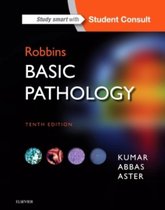
Test Bank - Robbins Basic Pathology 10th Edition Kymar Abbas 2025/2026 | Complete Chapters 1-24 | Full Guide Assured A+.

Note
-
Vendu
-
Pages
155
Qualité
A+
Publié le
06-11-2025
Écrit en
2025/2026

Test Bank - Robbins Basic Pathology 10th Edition Kymar Abbas 2025/2026 | Complete Chapters 1-24 | Full Guide Assured A+.Test Bank - Robbins Basic Pathology 10th Edition Kymar Abbas 2023/2024 | Complete Chapters 1-24 | Full Guide Assured A+. Robbins Basic Pathology 10th Edition Kymar Abbas Table of Content Chapter 1. The Cell as a Unit of Health and Disease Chapter 2. Cell Injury, Cell Death, and Adaptations Chapter 3. Inflammation and Repair Chapter 4. Hemodynamic Disorders, Thromboembolism, and Shock Chapter 5. Diseases of the Immune System Chapter 6. Neoplasia Chapter 7. Genetic and Pediatric Diseases Chapter 8. Environmental and Nutritional Diseases Chapter 9. General Pathology of Infectious Diseases Chapter 10. Blood Vessels Chapter 11. Heart Chapter 12. Hematopoietic and Lymphoid Systems Chapter 13. Lung Chapter 14. Kidney and Its Collecting System Chapter 15. Oral Cavities and Gastrointestinal Tract Chapter 16. Liver and Gallbladder Chapter 17. Pancreas Chapter 18. Male Genital System and Lower Urinary Tract Chapter 19. Female Genital System and Breast Chapter 20. Endocrine System Chapter 21. Bones, Joints, and Soft Tissue Tumors Chapter 22. Peripheral Nerves and Muscles Chapter 23. Central Nervous System Chapter 24. Skin Robbins Basic Pathology 10th Edition Kymar Abbas Test Bank Chapter 1. The Cell as a Unit of Health and Disease 1 The nucleus , which is essential for function and survival of the cell. A) is the site of protein synthesis B) contains the genetic code C) transforms cellular energy D) initiates aerobic metabolism 2 Although energy is not made in mitochondria, they are known as the power plants of the cell because they: A) contain RNA for protein synthesis. B) utilize glycolysis for oxidative energy. C) extract energy from organic compounds. D) store calcium bonds for muscle contractions. 3 Although the basic structure of the cell plasma membrane is formed by a lipid bilayer, most of the specific membrane functions are carried out by: A) bound and transmembrane proteins. B) complex, long carbohydrate chains. C) surface antigens and hormone receptors. D) a gating system of selective ion channels. 4 To effectively relay signals, cell-to-cell communication utilizes chemical messenger systems that: A) displace surface receptor proteins. B) accumulate within cell gap junctions. C) bind to contractile microfilaments. D) release secretions into extracellular fluid. 5 Aerobic metabolism, also known as oxidative metabolism, provides energy by: A) removing the phosphate bonds from ATP. B) combining hydrogen and oxygen to form water. C) activating pyruvate stored in the cytoplasm. D) breaking down glucose to form lactic acid. 6 Exocytosis, the reverse of endocytosis, is important in into the extracellular fluid. A) Engulfing and ingesting fluid and proteins for transport B) Killing, degrading, and dissolving harmful microorganisms C) Removing cellular debris and releasing synthesized substances D) Destruction of particles by lysosomal enzymes for secretion 7 The process responsible for generating and conducting membrane potentials is: A) diffusion of current-carrying ions. B) millivoltage of electrical potential. C) polarization of charged particles. D) ion channel neurotransmission. 8 Epithelial tissues are classified according to the shape of the cells and the number of layers. Which of the following is a correctly matched description and type of epithelial tissue? A) Simple epithelium: cells in contact with intercellular matrix; some do not extend to surface B) Stratified epithelium: single layer of cells; all cells rest on basement membrane C) Glandular epithelium: arise from surface epithelia and underlying connective tissue D) Pseudostratified epithelium: multiple layers of cells; deepest layer rests on basement membrane 9 Connective tissue contains fibroblasts that are responsible for: A) providing a fibrous framework for capillaries. B) synthesis of collagen, elastin, and reticular fibers. C) forming tendons and the fascia that covers muscles. D) filling spaces between tissues to keep organs in place. 10 Although all muscle tissue cells have some similarities, smooth muscle (also known as involuntary muscle) differs by: A) having dense bodies attached to actin filaments. B) containing sarcomeres between Z lines and M bands. C) having rapid contractions and abundant crossstriations. D) contracting in response to increased intracellular calcium. 11 Which of the following aspects of the function of the nucleus is performed by ribosomal RNA (rRNA)? A) Copying and carrying DNA instructions for protein synthesis B) Carrying amino acids to the site of protein synthesis C) Providing the site where protein synthesis occurs D) Regulating and controlling protein synthesis 12 Breakdown and removal of foreign substances and worn-out cell parts are performed by which of the following organelles? A) Lysosomes B) Golgi apparatus C) Ribosomes D) Endoplasmic reticulum (ER) 13 Impairment in the function of peroxisomes would result in: A) inadequate sites for protein synthesis. B) an inability to transport cellular products across the cell membrane. C) insufficient energy production within a cell. D) accumulation of free radicals in the cytoplasm.Test Bank - Robbins Basic Pathology 10th Edition Kymar Abbas 2023/2024 | Complete Chapters 1-24 | Full Guide Assured A+. Robbins Basic Pathology 10th Edition Kymar Abbas Table of Content Chapter 1. The Cell as a Unit of Health and Disease Chapter 2. Cell Injury, Cell Death, and Adaptations Chapter 3. Inflammation and Repair Chapter 4. Hemodynamic Disorders, Thromboembolism, and Shock Chapter 5. Diseases of the Immune System Chapter 6. Neoplasia Chapter 7. Genetic and Pediatric Diseases Chapter 8. Environmental and Nutritional Diseases Chapter 9. General Pathology of Infectious Diseases Chapter 10. Blood Vessels Chapter 11. Heart Chapter 12. Hematopoietic and Lymphoid Systems Chapter 13. Lung Chapter 14. Kidney and Its Collecting System Chapter 15. Oral Cavities and Gastrointestinal Tract Chapter 16. Liver and Gallbladder Chapter 17. Pancreas Chapter 18. Male Genital System and Lower Urinary Tract Chapter 19. Female Genital System and Breast Chapter 20. Endocrine System Chapter 21. Bones, Joints, and Soft Tissue Tumors Chapter 22. Peripheral Nerves and Muscles Chapter 23. Central Nervous System Chapter 24. Skin Robbins Basic Pathology 10th Edition Kymar Abbas Test Bank Chapter 1. The Cell as a Unit of Health and Disease 1 The nucleus , which is essential for function and survival of the cell. A) is the site of protein synthesis B) contains the genetic code C) transforms cellular energy D) initiates aerobic metabolism 2 Although energy is not made in mitochondria, they are known as the power plants of the cell because they: A) contain RNA for protein synthesis. B) utilize glycolysis for oxidative energy. C) extract energy from organic compounds. D) store calcium bonds for muscle contractions. 3 Although the basic structure of the cell plasma membrane is formed by a lipid bilayer, most of the specific membrane functions are carried out by: A) bound and transmembrane proteins. B) complex, long carbohydrate chains. C) surface antigens and hormone receptors. D) a gating system of selective ion channels. 4 To effectively relay signals, cell-to-cell communication utilizes chemical messenger systems that: A) displace surface receptor proteins. B) accumulate within cell gap junctions. C) bind to contractile microfilaments. D) release secretions into extracellular fluid. 5 Aerobic metabolism, also known as oxidative metabolism, provides energy by: A) removing the phosphate bonds from ATP. B) combining hydrogen and oxygen to form water. C) activating pyruvate stored in the cytoplasm. D) breaking down glucose to form lactic acid. 6 Exocytosis, the reverse of endocytosis, is important in into the extracellular fluid. A) Engulfing and ingesting fluid and proteins for transport B) Killing, degrading, and dissolving harmful microorganisms C) Removing cellular debris and releasing synthesized substances D) Destruction of particles by lysosomal enzymes for secretion 7 The process responsible for generating and conducting membrane potentials is: A) diffusion of current-carrying ions. B) millivoltage of electrical potential. C) polarization of charged particles. D) ion channel neurotransmission. 8 Epithelial tissues are classified according to the shape of the cells and the number of layers. Which of the following is a correctly matched description and type of epithelial tissue? A) Simple epithelium: cells in contact with intercellular matrix; some do not extend to surface B) Stratified epithelium: single layer of cells; all cells rest on basement membrane C) Glandular epithelium: arise from surface epithelia and underlying connective tissue D) Pseudostratified epithelium: multiple layers of cells; deepest layer rests on basement membrane 9 Connective tissue contains fibroblasts that are responsible for: A) providing a fibrous framework for capillaries. B) synthesis of collagen, elastin, and reticular fibers. C) forming tendons and the fascia that covers muscles. D) filling spaces between tissues to keep organs in place. 10 Although all muscle tissue cells have some similarities, smooth muscle (also known as involuntary muscle) differs by: A) having dense bodies attached to actin filaments. B) containing sarcomeres between Z lines and M bands. C) having rapid contractions and abundant crossstriations. D) contracting in response to increased intracellular calcium. 11 Which of the following aspects of the function of the nucleus is performed by ribosomal RNA (rRNA)? A) Copying and carrying DNA instructions for protein synthesis B) Carrying amino acids to the site of protein synthesis C) Providing the site where protein synthesis occurs D) Regulating and controlling protein synthesis 12 Breakdown and removal of foreign substances and worn-out cell parts are performed by which of the following organelles? A) Lysosomes B) Golgi apparatus C) Ribosomes D) Endoplasmic reticulum (ER) 13 Impairment in the function of peroxisomes would result in: A) inadequate sites for protein synthesis. B) an inability to transport cellular products across the cell membrane. C) insufficient energy production within a cell. D) accumulation of free radicals in the cytoplasm.

Montrer plus Lire moins
Établissement
Robbins Basic Pathology, 10th Edition
Cours
Robbins Basic Pathology, 10th Edition


Oups ! Impossible de charger votre document. Réessayez ou contactez le support.

Livre connecté

École, étude et sujet

Établissement
Robbins Basic Pathology, 10th Edition
Cours
Robbins Basic Pathology, 10th Edition

Infos sur le Document

Publié le
6 novembre 2025
Nombre de pages
155
Écrit en
2025/2026
Type
Examen
Contenu
Questions et réponses

Sujets

Aperçu du contenu

Test Bank for Robbins Basic Pathology 11th
b b b b b b


Editionb b


by Vinay Kumar, Abul K. Abba
b b b b b b


Chapters 1 - 24 b b b b

,Table of Content b b


Chapter 1. The Cell as a Unit of Health and Disease
b b b b b b b b b b


Chapter 2. Cell Injury, Cell Death, and Adaptations
b b b b b b b


Chapter 3. Inflammation and Repair
b b b b


Chapter 4. Hemodynamic Disorders, Thromboembolism, and Shock
b b b b b b


Chapter 5. Diseases of the Immune System
b b b b b b


Chapter 6. Neoplasia
b b


Chapter 7. Genetic and Pediatric Diseases
b b b b b


Chapter 8. Environmental and Nutritional Diseases
b b b b b


Chapter 9. General Pathology of Infectious Diseases
b b b b b b


Chapter 10. Blood Vessels
b b b


Chapter 11. Heart
b b


Chapter 12. Hematopoietic and Lymphoid Systems
b
b b b b b


Chapter 13. Lung
b b


Chapter 14. Kidney and Its Collecting System
b b b b b b


Chapter 15. Oral Cavities and Gastrointestinal Tract
b b b b b b


Chapter 16. Liver and Gallbladder
b b b b

,Chapter 17. Pancreas
b b


Chapter 18. Male Genital System and Lower Urinary Tract
b b b b b b b b


Chapter 19. Female Genital System and Breast
b b b b b b


Chapter 20. Endocrine System
b b b


Chapter 21. Bones, Joints, and Soft Tissue Tumors
b b b b b b b


Chapter 22. Peripheral Nerves and Muscles
b b b b b


Chapter 23. Central Nervous System
b b b b


Chapter 24. Skin
b
b b

, Robbins Basic Pathology 11th Edition KymarAbbas Test Bank
b b b b b b b b


Chapter 1.The Cell as a Unit of Health and Disease
b b b b b b b b b b


1 The nucleus b , which is essential for function and
b b b b b b


survival of the cell.
b b b b


A) is the site of protein synthesis
b b b b b


B) contains the genetic code b b b


C) transforms cellularenergy b b


D) initiates aerobic metabolism b b


2 Although energy is not made in mitochondria, they are known as
b b b b b b b b b b


the power plants of the cell because they:
b b b b b b b b


A) containRNAfor protein synthesis. b b b b


B) utilizeglycolysis foroxidativeenergy. b b b b


C) extractenergy from organic compounds. b b b b


D) storecalciumbonds for muscle contractions.
b b b b b


3 Although the basic structure of the cell plasma membrane is
b b b b b b b b b


formed by a lipid bilayer, most of the specific membrane
b b b b b b b b b b


functions are carried out by:
b b b b b


A) boundandtransmembraneproteins. b b b


B) complex, longcarbohydratechains. b b b


C) surfaceantigens and hormone receptors. b b b b


D) a gating systemof selective ion channels.
b b b b b b


4 Toeffectivelyrelaysignals,cell-to-cellcommunication
b b b b b


utilizes chemical messenger systems that:
b b b b b


A) displace surfacereceptor proteins. b b b


B) accumulate within cell gap junctions. b b b b

19,82 €
Accéder à l'intégralité du document:

Garantie de satisfaction à 100%
Disponible immédiatement après paiement
En ligne et en PDF
Tu n'es attaché à rien

Faites connaissance avec le vendeur
Seller avatar
Smartscroll

Faites connaissance avec le vendeur

Seller avatar
Smartscroll Chamberlain College Of Nursing
S'abonner Vous devez être connecté afin de pouvoir suivre les étudiants ou les formations
Vendu
5
Membre depuis
4 mois
Nombre de followers
1
Documents
1959
Dernière vente
6 jours de cela
NURSING

Welcome to your shortcut to academic and certification success. I'm SMARTSCROLL, a trusted top seller I specialize in high-quality study guides, test banks, certification prep, and real-world exam material all tailored to help you pass fast and score high. Popular categories includes; ✅Test banks and solution manual ✅Biology and Nursing ✅Business, Economics and Accounting ✅ATI and Hesi

0,0

0 revues

5
0
4
0
3
0
2
0
1
0

Récemment consulté par vous

Pourquoi les étudiants choisissent Stuvia

Créé par d'autres étudiants, vérifié par les avis

Une qualité sur laquelle compter : rédigé par des étudiants qui ont réussi et évalué par d'autres qui ont utilisé ce document.

Le document ne convient pas ? Choisis un autre document

Aucun souci ! Tu peux sélectionner directement un autre document qui correspond mieux à ce que tu cherches.

Paye comme tu veux, apprends aussitôt

Aucun abonnement, aucun engagement. Paye selon tes habitudes par carte de crédit et télécharge ton document PDF instantanément.

Student with book image

“Acheté, téléchargé et réussi. C'est aussi simple que ça.”

Alisha Student

Foire aux questions