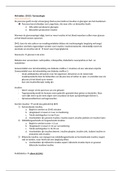
Chapter 21: Systemic Infections
MULTIPLE CHOICE
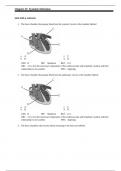
1. The heart chamber that pumps blood into the systemic circuit is the chamber labeled
a. A. c. C.
b. B. d. D.
ANS: D DIF: Moderate REF: 21.1
OBJ: 21.1a List the structural components of the cardiovascular and lymphatic systems and their
relationship to one another. MSC: Applying
2. The heart chamber that pumps blood into the pulmonary circuit is the chamber labeled
a. A. c. C.
b. B. d. D.
ANS: B DIF: Moderate REF: 21.1
OBJ: 21.1a List the structural components of the cardiovascular and lymphatic systems and their
relationship to one another. MSC: Applying
3. The heart chambers that receive blood returning to the heart are labeled
, a. A and B. c. C and A.
b. B and C. d. D and B.
ANS: C DIF: Moderate REF: 21.1
OBJ: 21.1a List the structural components of the cardiovascular and lymphatic systems and their
relationship to one another. MSC: Applying
4. The figure below shows blood vessels. If lymphatic capillaries were to be added to this figure, they
would be most closely associated with
a. A. c. C.
b. B. d. D.
ANS: A DIF: Moderate REF: 21.1
OBJ: 21.1a List the structural components of the cardiovascular and lymphatic systems and their
relationship to one another. MSC: Applying
5. Which of the following statements is a true comparison between the cardiovascular and lymphatic
systems?
a. The lymphatic system contains a pump that generates high pressures.
b. The lymphatic system is used to transport nutrients and oxygen to body cells.
c. The cardiovascular system carries lymph through lymph nodes.
d. The cardiovascular system is composed of a pulmonary circuit and a systemic circuit.
ANS: D DIF: Easy REF: 21.1
OBJ: 21.1a List the structural components of the cardiovascular and lymphatic systems and their
relationship to one another. MSC: Understanding
6. The circuit shown
, a. carries oxygenated blood to body cells.
b. removes waste from body cells.
c. replenishes oxygen in blood.
d. replenishes carbon dioxide in blood.
ANS: C DIF: Easy REF: 21.1
OBJ: 21.1b Compare and contrast the systemic and pulmonary circulations.
MSC: Understanding
7. Pulmonary arteries carry
a. oxygenated blood toward the heart.
b. deoxygenated blood toward the heart.
c. oxygenated blood toward the lungs.
d. deoxygenated blood toward the lungs.
ANS: D DIF: Easy REF: 21.1
OBJ: 21.1b Compare and contrast the systemic and pulmonary circulations.
MSC: Remembering
8. Margo, a nursing-home resident, experiences a scratch on her leg that becomes infected by
Staphyloccocus. During a shower a nursing assistant notices a red streak extending from the skin
infection and alerts a nurse. What term describes this red streak?
a. lymphadenopathy c. lymphangitis
b. lymphadenitis d. endocarditis
ANS: C DIF: Easy REF: 21.1
OBJ: 21.1c Explain the relationship between the circulatory systems and systemic infections.
MSC: Understanding
9. The cells infected by cytomegalovirus (CMV) include
a. fibroblasts. c. lymphocytes.
b. osteocytes. d. neurons.
ANS: C DIF: Moderate REF: 21.1
OBJ: 21.2b Relate the diagnoses of systemic viral infections to the pathogenesis of the specific virus
causing the disease. MSC: Remembering
10. What causes lymphadenitis in a patient with an Epstein-Barr virus infection?
a. proliferation of B and T cells
b. removal of abnormal blood cells from circulation
c. infection of epithelial cells within lymph nodes
d. production of heterophile antibodies
MULTIPLE CHOICE
1. The heart chamber that pumps blood into the systemic circuit is the chamber labeled
a. A. c. C.
b. B. d. D.
ANS: D DIF: Moderate REF: 21.1
OBJ: 21.1a List the structural components of the cardiovascular and lymphatic systems and their
relationship to one another. MSC: Applying
2. The heart chamber that pumps blood into the pulmonary circuit is the chamber labeled
a. A. c. C.
b. B. d. D.
ANS: B DIF: Moderate REF: 21.1
OBJ: 21.1a List the structural components of the cardiovascular and lymphatic systems and their
relationship to one another. MSC: Applying
3. The heart chambers that receive blood returning to the heart are labeled
, a. A and B. c. C and A.
b. B and C. d. D and B.
ANS: C DIF: Moderate REF: 21.1
OBJ: 21.1a List the structural components of the cardiovascular and lymphatic systems and their
relationship to one another. MSC: Applying
4. The figure below shows blood vessels. If lymphatic capillaries were to be added to this figure, they
would be most closely associated with
a. A. c. C.
b. B. d. D.
ANS: A DIF: Moderate REF: 21.1
OBJ: 21.1a List the structural components of the cardiovascular and lymphatic systems and their
relationship to one another. MSC: Applying
5. Which of the following statements is a true comparison between the cardiovascular and lymphatic
systems?
a. The lymphatic system contains a pump that generates high pressures.
b. The lymphatic system is used to transport nutrients and oxygen to body cells.
c. The cardiovascular system carries lymph through lymph nodes.
d. The cardiovascular system is composed of a pulmonary circuit and a systemic circuit.
ANS: D DIF: Easy REF: 21.1
OBJ: 21.1a List the structural components of the cardiovascular and lymphatic systems and their
relationship to one another. MSC: Understanding
6. The circuit shown
, a. carries oxygenated blood to body cells.
b. removes waste from body cells.
c. replenishes oxygen in blood.
d. replenishes carbon dioxide in blood.
ANS: C DIF: Easy REF: 21.1
OBJ: 21.1b Compare and contrast the systemic and pulmonary circulations.
MSC: Understanding
7. Pulmonary arteries carry
a. oxygenated blood toward the heart.
b. deoxygenated blood toward the heart.
c. oxygenated blood toward the lungs.
d. deoxygenated blood toward the lungs.
ANS: D DIF: Easy REF: 21.1
OBJ: 21.1b Compare and contrast the systemic and pulmonary circulations.
MSC: Remembering
8. Margo, a nursing-home resident, experiences a scratch on her leg that becomes infected by
Staphyloccocus. During a shower a nursing assistant notices a red streak extending from the skin
infection and alerts a nurse. What term describes this red streak?
a. lymphadenopathy c. lymphangitis
b. lymphadenitis d. endocarditis
ANS: C DIF: Easy REF: 21.1
OBJ: 21.1c Explain the relationship between the circulatory systems and systemic infections.
MSC: Understanding
9. The cells infected by cytomegalovirus (CMV) include
a. fibroblasts. c. lymphocytes.
b. osteocytes. d. neurons.
ANS: C DIF: Moderate REF: 21.1
OBJ: 21.2b Relate the diagnoses of systemic viral infections to the pathogenesis of the specific virus
causing the disease. MSC: Remembering
10. What causes lymphadenitis in a patient with an Epstein-Barr virus infection?
a. proliferation of B and T cells
b. removal of abnormal blood cells from circulation
c. infection of epithelial cells within lymph nodes
d. production of heterophile antibodies