, FOR2605 Assignment 2 (COMPLETE ANSWERS)
Semester 1 2025 - DUE 6 May 2025; 100% TRUSTED
Complete, trusted solutions and explanations.
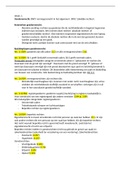
Question 1
The actions of an investigator at the crime scene are vitally important
.Briefly discuss those duties. [10]
The actions taken by investigators at a crime scene play a critical role in
preserving the integrity and evidentiary value of physical evidence. A
well-managed crime scene ensures that valuable information is not
lost, contaminated, or misinterpreted. Following proper procedures
allows for a thorough and systematic investigation that supports the
pursuit of justice.
1. Securing and Controlling the Crime Scene
First Responders’ Role: Secure the scene immediately to prevent
contamination or loss of evidence.
Scene Safety: Ensure safety for all personnel, including checking
for threats (e.g., weapons, hazardous materials).
Establish Boundaries: Use physical barriers (tape, signs) to
control access.
Maintain a Scene Log: Record everyone who enters or exits the
crime scene, including time and reason.
2. Conducting a Preliminary Survey
Initial Walkthrough: Lead investigator assesses the scene to
understand its layout and determine priorities.
Semester 1 2025 - DUE 6 May 2025; 100% TRUSTED
Complete, trusted solutions and explanations.
Question 1
The actions of an investigator at the crime scene are vitally important
.Briefly discuss those duties. [10]
The actions taken by investigators at a crime scene play a critical role in
preserving the integrity and evidentiary value of physical evidence. A
well-managed crime scene ensures that valuable information is not
lost, contaminated, or misinterpreted. Following proper procedures
allows for a thorough and systematic investigation that supports the
pursuit of justice.
1. Securing and Controlling the Crime Scene
First Responders’ Role: Secure the scene immediately to prevent
contamination or loss of evidence.
Scene Safety: Ensure safety for all personnel, including checking
for threats (e.g., weapons, hazardous materials).
Establish Boundaries: Use physical barriers (tape, signs) to
control access.
Maintain a Scene Log: Record everyone who enters or exits the
crime scene, including time and reason.
2. Conducting a Preliminary Survey
Initial Walkthrough: Lead investigator assesses the scene to
understand its layout and determine priorities.