BIOL 211 Concepts of Zoology
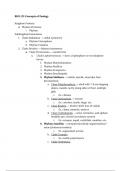
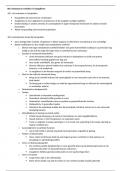
Kingdom Protista
● Phylum Protozoa
○ Phylum
Subkingdom Eumetazoa
1. Clade Radialaria → radial symmetry
a. Phylum Ctenophora
b. Phylum Cnidaria
2. Clade Bivalvia → bilateral symmetry
a. Clade Protostomia → mouth first
i. Clade Lophotrochozoa → have a lophophore or trochophore
larvae
1. Phylum Platyhelminthes
2. Phylum Rotifera
3. Phylum Ectoprocta
4. Phylum Brachiopoda
5. Phylum Mollusca → radula, mantle, muscular foot
(locomotion)
a. Class Polyplacophora → shell with 7-8 overlapping
plates, mantle cavity along sides of foot, multiple
gills
i. Ex. chitons
b. Class Gastropoda → torsion
i. Ex. conches, snails, slugs, etc.
c. Class Bivalvia → bivalve shell, loss of radula
i. Ex. clams, mussels, oysters
d. Class Cephalopoda → arms, tentacles, and siphon;
beaklike jaw; closed circulatory system
i. Ex. octopus, squid, cuttlefish, nautilus, etc.
6. Phylum Annelida → metamerism (body segmentation) +
setae (chitinous bristles)
i. Ex. segmented worms
b. Clade Errantia
i. Ex. motile polychaetes
c. Clade Sedentaria
, i. Clade Clitellata → clitellum
1. Class Hirudinea
a. Ex. leeches
ii. Clade Ecdysozoa → molting; shed cuticle
1. Phylum Nematoda → cuticle made of collagen
(pseudocoelomate)
a. Ex. filarial worms, roundworm, pinworm
2. Phylum Arthropoda → chitinous shedded exoskeleton +
jointed appendages
i. Subphylum Trilobita → 3 longitudinal lobes:
2 pleural lobes and 1 central axial lobe
ii. Subphylum Chelicerata → 1st pair of
appendages are chelicerae (no mandibles)
1. Class Pycnogonida
a. Ex. sea spiders
2. Class Merostomata
a. Ex. horseshoe crabs
3. Class Arachnida
a. Ex. spiders, ticks, mites,
scorpions, etc.
iii. Subphylum Myriapoda → repugnatorial
glands + special sensory organs at base of
antennae
1. Class Chilopida → 1 pair of
legs/segment
a. Ex. centipedes
2. Class Diplopoda → 2 pairs of
legs/segment
a. Ex. millipedes
b. Clade Pancrustacea → Head appendages used for
feeding; 1 pair mandibles on 3rd segment; 2 pairs
maxillae (segments 4 + 5)
i. Subphylum Crustacea → 2 pairs of antennae;
biramous appendages (limbs branched in 2);
nauplius larvae (first planktonic larval form)
1. Ex. crabs, lobsters, crayfish
Kingdom Protista
● Phylum Protozoa
○ Phylum
Subkingdom Eumetazoa
1. Clade Radialaria → radial symmetry
a. Phylum Ctenophora
b. Phylum Cnidaria
2. Clade Bivalvia → bilateral symmetry
a. Clade Protostomia → mouth first
i. Clade Lophotrochozoa → have a lophophore or trochophore
larvae
1. Phylum Platyhelminthes
2. Phylum Rotifera
3. Phylum Ectoprocta
4. Phylum Brachiopoda
5. Phylum Mollusca → radula, mantle, muscular foot
(locomotion)
a. Class Polyplacophora → shell with 7-8 overlapping
plates, mantle cavity along sides of foot, multiple
gills
i. Ex. chitons
b. Class Gastropoda → torsion
i. Ex. conches, snails, slugs, etc.
c. Class Bivalvia → bivalve shell, loss of radula
i. Ex. clams, mussels, oysters
d. Class Cephalopoda → arms, tentacles, and siphon;
beaklike jaw; closed circulatory system
i. Ex. octopus, squid, cuttlefish, nautilus, etc.
6. Phylum Annelida → metamerism (body segmentation) +
setae (chitinous bristles)
i. Ex. segmented worms
b. Clade Errantia
i. Ex. motile polychaetes
c. Clade Sedentaria
, i. Clade Clitellata → clitellum
1. Class Hirudinea
a. Ex. leeches
ii. Clade Ecdysozoa → molting; shed cuticle
1. Phylum Nematoda → cuticle made of collagen
(pseudocoelomate)
a. Ex. filarial worms, roundworm, pinworm
2. Phylum Arthropoda → chitinous shedded exoskeleton +
jointed appendages
i. Subphylum Trilobita → 3 longitudinal lobes:
2 pleural lobes and 1 central axial lobe
ii. Subphylum Chelicerata → 1st pair of
appendages are chelicerae (no mandibles)
1. Class Pycnogonida
a. Ex. sea spiders
2. Class Merostomata
a. Ex. horseshoe crabs
3. Class Arachnida
a. Ex. spiders, ticks, mites,
scorpions, etc.
iii. Subphylum Myriapoda → repugnatorial
glands + special sensory organs at base of
antennae
1. Class Chilopida → 1 pair of
legs/segment
a. Ex. centipedes
2. Class Diplopoda → 2 pairs of
legs/segment
a. Ex. millipedes
b. Clade Pancrustacea → Head appendages used for
feeding; 1 pair mandibles on 3rd segment; 2 pairs
maxillae (segments 4 + 5)
i. Subphylum Crustacea → 2 pairs of antennae;
biramous appendages (limbs branched in 2);
nauplius larvae (first planktonic larval form)
1. Ex. crabs, lobsters, crayfish