ANDERSON DEMOCRACY
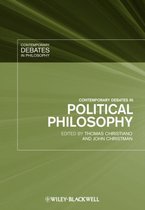
Elizabeth Anderson, “Democracy: Instrumental vs. Non-instrumental Value,” In Thomas
Christiano & John Philip Christman (eds.), Contemporary Debates in Political Philosophy
(London: Wiley-Blackwell, 2009). pp. 213-227 (14 pp)
a. Why, if a dictator could give what people wanted, would many citizens still prefer to
govern themselves?
“Even if a dictatorship could give them what they wanted, as the government of Singapore
claims it does for its subjects, democratic citizens would prefer to govern themselves.”
Argues that democracy as both instrumental and non-instrumental value
- Instrumental value: purpose of the government is to satisfy individual preferences
- Non-instrumental value: democracy allows individuals to participate in the
collective decisions that affect their life. → individuals are not passive
actors in democracy as they actively influence the decision-making
process.
As a result, the non-instrumental values give people a sense of empowerment that goes
beyond the satisfaction of preferences.
→ Many citizens would still prefer to govern themselves even if a dictator could
give them what they want because of this non-instrumental feature that
transcends the mere satisfaction of personal desires.
Allows people to engage in a process of mutual recognition and respect, make
people equal, make people have a say in politics, give people a sense of
solidarity, community → these values don’t exist in a dictatorship.
b. Why is the democratic way of life morally right?
“I shall also argue that the democratic way of life can be justified as a matter of justice”.
She argues that democracy is morally right because it offers to each citizen “equal standing”
when defending their own interests, while giving them a voice in the decision-making
process of the “adoption of collective goals”.
→ Democracy thus allows individuals to participate in the collective decisions
that affect their lives, and it does so in a way that recognizes the equal worth
and dignity of every person.
Joins Mill and Dewey in their views on Democracy. Says that democracy allows “equality of
membership”, “reciprocal cooperation” & “mutual respect”.
According to Mill and recognized by Anderson → democratic participation allows
to “unite two high pleasures” → sympathy and autonomy.
According to Dewey and recognized by Anderson → democratic participation
allows one to rely on “practical intelligence to make collective decisions” which is
the “basic function of community life.
c. What are the three different understandings of democracy?
1
Elizabeth Anderson, “Democracy: Instrumental vs. Non-instrumental Value,” In Thomas
Christiano & John Philip Christman (eds.), Contemporary Debates in Political Philosophy
(London: Wiley-Blackwell, 2009). pp. 213-227 (14 pp)
a. Why, if a dictator could give what people wanted, would many citizens still prefer to
govern themselves?
“Even if a dictatorship could give them what they wanted, as the government of Singapore
claims it does for its subjects, democratic citizens would prefer to govern themselves.”
Argues that democracy as both instrumental and non-instrumental value
- Instrumental value: purpose of the government is to satisfy individual preferences
- Non-instrumental value: democracy allows individuals to participate in the
collective decisions that affect their life. → individuals are not passive
actors in democracy as they actively influence the decision-making
process.
As a result, the non-instrumental values give people a sense of empowerment that goes
beyond the satisfaction of preferences.
→ Many citizens would still prefer to govern themselves even if a dictator could
give them what they want because of this non-instrumental feature that
transcends the mere satisfaction of personal desires.
Allows people to engage in a process of mutual recognition and respect, make
people equal, make people have a say in politics, give people a sense of
solidarity, community → these values don’t exist in a dictatorship.
b. Why is the democratic way of life morally right?
“I shall also argue that the democratic way of life can be justified as a matter of justice”.
She argues that democracy is morally right because it offers to each citizen “equal standing”
when defending their own interests, while giving them a voice in the decision-making
process of the “adoption of collective goals”.
→ Democracy thus allows individuals to participate in the collective decisions
that affect their lives, and it does so in a way that recognizes the equal worth
and dignity of every person.
Joins Mill and Dewey in their views on Democracy. Says that democracy allows “equality of
membership”, “reciprocal cooperation” & “mutual respect”.
According to Mill and recognized by Anderson → democratic participation allows
to “unite two high pleasures” → sympathy and autonomy.
According to Dewey and recognized by Anderson → democratic participation
allows one to rely on “practical intelligence to make collective decisions” which is
the “basic function of community life.
c. What are the three different understandings of democracy?
1