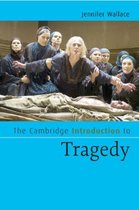
Tragedy
• A genre of drama that ends with the end of the main character
Classic/Epic Tragedy
• Written by classical Greek dramatists then later developed by Shakespeare and his contemporaries
• The audience usually witnesses terrible chaos and a breakdown of society
• Classical usually refers to plays written in ancient Greece or Rome
• Epic refers to a play that had a grand or ambitious theme
Modern/Domestic Tragedy
• Establishes in the 19th Century by writers such as Henrik Ibsen, Eugene O’Neil and Arthur Miller
• The audience usually witness a breakdown of family and corruption and chaos that lurks beneath the surface of domestic
order
• Modern refers to plays written in the late 19 th and 20th Century
• Domestic refers to drama set in a household. It does not have a grand or ambitious theme
Three Aspects of Tragedy:
• Suffering- characters endure suffering in a tragedy. The audience watch how suffering is created and how the central
characters deal with this suffering
• Chaos- can be personal and social. Sometimes the central character breaks down; in others the whole of society falls
apart
• Death- at the end of the drama the audience and the characters are left to consider the reality of death and its
consequences
Aristotle
• Tragedy is characterised by seriousness and involved a great person who experiences a reversal of fortune (peripeteia)
• It induces pity and fear – the central character must be a figure with whom the audience can identify to trigger these
emotions
• It results in catharsis (emotional cleansing) or healing for the audience in response to the suffering of the characters
• Reversal of fortune is caused by a character flaw/mistake – it is the inevitable but unforeseen result of some action taken
by the hero, not by some external force
• The character comes in as contributing to the action
• The reversal is when the opposite of what was planned or hoped for by the protagonist takes place
• He says that the plot must be a complete whole – with a definite beginning, middle and end
• The plot requires a single central theme in which all elements are logically related
• The plot is intended to illustrate matters of cosmic rather than individual significance
• The general lack of interest in exploring psychological motivation in character is one of the major difference between
ancient and modern drama
• The tragic hero may achieve some revelation of recognition (anagnorisis) about human fate, destiny and the will of the
gods
• The hero should not offend the moral sensibilities of the spectators – his downfall is brought upon him not be vice or
depravity but by some error of judgement
• Social drama cannot be tragic because the hero in it is a victim of circumstance and incidents that depend upon the
society in which he lives and not upon the inner compulsions which determined his progress towards self-knowledge and
death
Hegel
• Defined tragedy as a conflict of ethical forces, represented by characters or individual personality which must manifest
self-destructive passions
• The essence of tragedy is conflict between legitimate rights and institutions. It arises out of the false consciousness of the
tragic hero who embodies a stubborn fixity of will that issues in one-sided action that both violates another legitimate
right and plunges the hero into self-contradiction
• The tragic resolution demands that the hero yield and recognise what they refuse and enlarge their perspective. If they
yield, the drama does not have to end tragically; but if they refuse then the hero is destroyed by the very powers they
refuse to recognise
• The destruction of the hero, whose one-sided action threatens to destroy ethical life is necessary and is healing as it
upholds the essential rights and institutions of ethical life
• A genre of drama that ends with the end of the main character
Classic/Epic Tragedy
• Written by classical Greek dramatists then later developed by Shakespeare and his contemporaries
• The audience usually witnesses terrible chaos and a breakdown of society
• Classical usually refers to plays written in ancient Greece or Rome
• Epic refers to a play that had a grand or ambitious theme
Modern/Domestic Tragedy
• Establishes in the 19th Century by writers such as Henrik Ibsen, Eugene O’Neil and Arthur Miller
• The audience usually witness a breakdown of family and corruption and chaos that lurks beneath the surface of domestic
order
• Modern refers to plays written in the late 19 th and 20th Century
• Domestic refers to drama set in a household. It does not have a grand or ambitious theme
Three Aspects of Tragedy:
• Suffering- characters endure suffering in a tragedy. The audience watch how suffering is created and how the central
characters deal with this suffering
• Chaos- can be personal and social. Sometimes the central character breaks down; in others the whole of society falls
apart
• Death- at the end of the drama the audience and the characters are left to consider the reality of death and its
consequences
Aristotle
• Tragedy is characterised by seriousness and involved a great person who experiences a reversal of fortune (peripeteia)
• It induces pity and fear – the central character must be a figure with whom the audience can identify to trigger these
emotions
• It results in catharsis (emotional cleansing) or healing for the audience in response to the suffering of the characters
• Reversal of fortune is caused by a character flaw/mistake – it is the inevitable but unforeseen result of some action taken
by the hero, not by some external force
• The character comes in as contributing to the action
• The reversal is when the opposite of what was planned or hoped for by the protagonist takes place
• He says that the plot must be a complete whole – with a definite beginning, middle and end
• The plot requires a single central theme in which all elements are logically related
• The plot is intended to illustrate matters of cosmic rather than individual significance
• The general lack of interest in exploring psychological motivation in character is one of the major difference between
ancient and modern drama
• The tragic hero may achieve some revelation of recognition (anagnorisis) about human fate, destiny and the will of the
gods
• The hero should not offend the moral sensibilities of the spectators – his downfall is brought upon him not be vice or
depravity but by some error of judgement
• Social drama cannot be tragic because the hero in it is a victim of circumstance and incidents that depend upon the
society in which he lives and not upon the inner compulsions which determined his progress towards self-knowledge and
death
Hegel
• Defined tragedy as a conflict of ethical forces, represented by characters or individual personality which must manifest
self-destructive passions
• The essence of tragedy is conflict between legitimate rights and institutions. It arises out of the false consciousness of the
tragic hero who embodies a stubborn fixity of will that issues in one-sided action that both violates another legitimate
right and plunges the hero into self-contradiction
• The tragic resolution demands that the hero yield and recognise what they refuse and enlarge their perspective. If they
yield, the drama does not have to end tragically; but if they refuse then the hero is destroyed by the very powers they
refuse to recognise
• The destruction of the hero, whose one-sided action threatens to destroy ethical life is necessary and is healing as it
upholds the essential rights and institutions of ethical life