Chapter 1 – Introduction
Definition of a structure
A structure is a physical system used to direct load from one place to another
The following is important for a structure
o The structural systems used
o The structural materials that make these systems
o The forces acting on the structure
o The load-bearing subsurface the structure is placed upon
History of construction
Pressure-based system: walls loaded in plane
o Materials: timber, natural stone and bricks (not able to withstand tension stresses)
o Ex.: Stonehenge
Flooring structures
o Materials: wooden beams, arches and domes
Pillars, B.C.
o Materials: marble blocks and wooden dowels
o Ex.: Structural simple Doric columns, slender Corinthian and Ionic Columns, Greek
architraves (monolithic stone beams), Roman arches and vaults
Gothic style, 13th century
o Materials: pressure loaded timber and stone
o Ex.: flying and heavy buttresses to avoid tensile stresses
Introduction of iron, 18th century
o Materials: structural material iron, can withstand tensile and compressive stresses
o Ex.: iron arch bridge over the Severn by Coalbrookdale
Concrete material back into focus, 19th century
o Materials: concrete and steel for reinforcement
In summary: In summary, in the course of history a shift occurred from the use of
compression systems to systems where compression and tension collaborate or only tension
is present. This evolution is related to the development of materials that are able to absorb
large tensile stresses and the need that exists to make larger spans.
Structural Systems
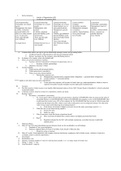
A structural system is determined by the way it carries the loads, following systems are
distinguished
Structures loaded in compression
Vertical structures Columns Loaded according to their axis
Walls Loaded in plane
Spanning structures Arches Loaded according to their axis
Shells Loaded in plane
Structures loaded in tension
Vertical structures Tension columns Loaded according to their axis
Cables Loaded according to their axis
Spanning structures Cable structures Loaded according to their axis
Membrane structures Loaded in plan
, Structures loaded in bending
Vertical Structures Façade members Loaded perpendicular to their
axis
Walls Loaded perpendicular to plane
Spanning Structures Beams Loaded perpendicular to their
axis
Floors or plates Loaded perpendicular to plane
Portal frames
Assembly of columns and beams using a fixed connection
Structural materials
Structural materials distinction
Natural materials
o Stone and timber
o Used for centuries, well known characteristics, variable quality, high material safety
factors
Artificial produced materials
o Steel and aluminium-alloys
o Produced under controlled conditions, production subjected to inspections and
tests, consistent material, low material safety factors
o Concrete is an intermediate natural and artificial
New materials
o Fibre reinforced composites
o Fully fabricated, behavior net yet fully understood, high material safety factors
Old materials
o Wrought iron and cast iron
o Used to be applied in structures, now replaced by steel
Most applied materials
Steel
o Iron with carbon and other additives
o S235, S275, S355 (s = steel, number = yield stress) = structural steel types
o FeB500 = rebar for reinforced concrete
o FEPI850 = used for cables and pre-stressed strands
Concrete
o Cement, fine aggregates, course aggregates, water, 1:2:4
o C20/25 (characteristic cube compression strength 25 N/mm2)
o Made by hydration
o Brittle material, tensile strength 10% of compressive strength
Timber
o Hardwood (deciduous = drops leaves)
o Softwood (coniferous = evergreen), grow faster so cheap and more used, C14
(coniferous 18 N/mm2 bending strength)
Masonry
o Bricks: clay, waal-size, maas-size
o Natural stone
o Concrete blocks: cheapest building materials, solid or hollow
, o Calcium Silicate blocks: sand, cement, lime and water
Aluminium
o Made from bauxite
o Lightweight, strong, corrosion resisting
o Energy consuming so twice as expensive as steel
o Made stronger by adding 5% other materials alloys with low modulus of elasticity
and maximum allowable temperature
Fibre reinforced composites
o Fibres (glass fibres, carbon fibres) and matrix (polyester, vinyl ester, epoxy)
Properties of Structural Materials
Ideal structural material is lightweight, so the self-weight is small compared to total load
acting on it.
Stress-Weight-Ration (SWR) = characteristic strength (kN/m2) / volumetric weight (kN/m3)
o Maximum allowable length can be determined
Strength determines ultimate limit state (ULS) of structures
Stiffness determines serviceability limit state (SLS) of the structure
Sustainability, fatigue, toughness/brittleness, creep behavior, fire behavior, density, costs,
environmental impact
Structural Safety
Structural safety
o The design load Sd = characteristic load Sk x load factor ys
o The design strength Rd = characteristic strength Rk / partial safety factor ym
o Structure is sufficiently safe if it meets the requirements:
Design strength
o Follows from the strength function R of the design model. This model is based on
theoretical considerations and on observations of real behavior of structures during
tests.
o Material factors structural material
Steel: Ym = 1
Timber Ym = 1.2
, Concrete: Ym = 1.40
Stone = Ym = 1.80
From an economic point of view it is not useful that every building has the same structural
safety. Therefore, reliability classes are determined.
o Reliability class 1: structures in which no people are present during extremely bad
weather
Ex.: greenhouses
o Reliability class 3: structures that will not only give great financial impact if collapsed
but also large human, emotional or social damage
Ex.: residential buildings, office buildings, bridges and power plants
o Reliability class 2: applies to all structures not in classed 1 or 3
Ex.: single family houses
Loads
Eurocode describes all load cases that should be taken into account. Consist of 10 volumes.
o What is the characteristic value of the live load? Should the calculation include a thick
or thin layer of snow?
o Which loads should be taken into account in a load combinations and to what extent?
Types of loading
o Permanent loads (G): vary little in time
Ex.: Self-weight, ground pressure, loads by fluids in storage tanks
o Variable (live) loads (Q): vary in time in size
Qm instantaneous / quasi-permanent (kN/m2)= almost always, follows from
statistical distribution
Qrep extreme load (kN) = extreme value of variable load, once in 50 years
Ψ = ratio between instantenous value and extreme value
Ex.: Wind, people, furniture, decorations, rain
o Accidental loads (Fa): large and disastrous consequences, low probability of
occurrence
Ex: gas explosion, fire, collusion of vehicles, earthquakes
Design load Sd = characteristic load Sk x load factor ys
o Load factors for reliability class 3
Load combinations in accordance to Eurocode I
Definition of a structure
A structure is a physical system used to direct load from one place to another
The following is important for a structure
o The structural systems used
o The structural materials that make these systems
o The forces acting on the structure
o The load-bearing subsurface the structure is placed upon
History of construction
Pressure-based system: walls loaded in plane
o Materials: timber, natural stone and bricks (not able to withstand tension stresses)
o Ex.: Stonehenge
Flooring structures
o Materials: wooden beams, arches and domes
Pillars, B.C.
o Materials: marble blocks and wooden dowels
o Ex.: Structural simple Doric columns, slender Corinthian and Ionic Columns, Greek
architraves (monolithic stone beams), Roman arches and vaults
Gothic style, 13th century
o Materials: pressure loaded timber and stone
o Ex.: flying and heavy buttresses to avoid tensile stresses
Introduction of iron, 18th century
o Materials: structural material iron, can withstand tensile and compressive stresses
o Ex.: iron arch bridge over the Severn by Coalbrookdale
Concrete material back into focus, 19th century
o Materials: concrete and steel for reinforcement
In summary: In summary, in the course of history a shift occurred from the use of
compression systems to systems where compression and tension collaborate or only tension
is present. This evolution is related to the development of materials that are able to absorb
large tensile stresses and the need that exists to make larger spans.
Structural Systems
A structural system is determined by the way it carries the loads, following systems are
distinguished
Structures loaded in compression
Vertical structures Columns Loaded according to their axis
Walls Loaded in plane
Spanning structures Arches Loaded according to their axis
Shells Loaded in plane
Structures loaded in tension
Vertical structures Tension columns Loaded according to their axis
Cables Loaded according to their axis
Spanning structures Cable structures Loaded according to their axis
Membrane structures Loaded in plan
, Structures loaded in bending
Vertical Structures Façade members Loaded perpendicular to their
axis
Walls Loaded perpendicular to plane
Spanning Structures Beams Loaded perpendicular to their
axis
Floors or plates Loaded perpendicular to plane
Portal frames
Assembly of columns and beams using a fixed connection
Structural materials
Structural materials distinction
Natural materials
o Stone and timber
o Used for centuries, well known characteristics, variable quality, high material safety
factors
Artificial produced materials
o Steel and aluminium-alloys
o Produced under controlled conditions, production subjected to inspections and
tests, consistent material, low material safety factors
o Concrete is an intermediate natural and artificial
New materials
o Fibre reinforced composites
o Fully fabricated, behavior net yet fully understood, high material safety factors
Old materials
o Wrought iron and cast iron
o Used to be applied in structures, now replaced by steel
Most applied materials
Steel
o Iron with carbon and other additives
o S235, S275, S355 (s = steel, number = yield stress) = structural steel types
o FeB500 = rebar for reinforced concrete
o FEPI850 = used for cables and pre-stressed strands
Concrete
o Cement, fine aggregates, course aggregates, water, 1:2:4
o C20/25 (characteristic cube compression strength 25 N/mm2)
o Made by hydration
o Brittle material, tensile strength 10% of compressive strength
Timber
o Hardwood (deciduous = drops leaves)
o Softwood (coniferous = evergreen), grow faster so cheap and more used, C14
(coniferous 18 N/mm2 bending strength)
Masonry
o Bricks: clay, waal-size, maas-size
o Natural stone
o Concrete blocks: cheapest building materials, solid or hollow
, o Calcium Silicate blocks: sand, cement, lime and water
Aluminium
o Made from bauxite
o Lightweight, strong, corrosion resisting
o Energy consuming so twice as expensive as steel
o Made stronger by adding 5% other materials alloys with low modulus of elasticity
and maximum allowable temperature
Fibre reinforced composites
o Fibres (glass fibres, carbon fibres) and matrix (polyester, vinyl ester, epoxy)
Properties of Structural Materials
Ideal structural material is lightweight, so the self-weight is small compared to total load
acting on it.
Stress-Weight-Ration (SWR) = characteristic strength (kN/m2) / volumetric weight (kN/m3)
o Maximum allowable length can be determined
Strength determines ultimate limit state (ULS) of structures
Stiffness determines serviceability limit state (SLS) of the structure
Sustainability, fatigue, toughness/brittleness, creep behavior, fire behavior, density, costs,
environmental impact
Structural Safety
Structural safety
o The design load Sd = characteristic load Sk x load factor ys
o The design strength Rd = characteristic strength Rk / partial safety factor ym
o Structure is sufficiently safe if it meets the requirements:
Design strength
o Follows from the strength function R of the design model. This model is based on
theoretical considerations and on observations of real behavior of structures during
tests.
o Material factors structural material
Steel: Ym = 1
Timber Ym = 1.2
, Concrete: Ym = 1.40
Stone = Ym = 1.80
From an economic point of view it is not useful that every building has the same structural
safety. Therefore, reliability classes are determined.
o Reliability class 1: structures in which no people are present during extremely bad
weather
Ex.: greenhouses
o Reliability class 3: structures that will not only give great financial impact if collapsed
but also large human, emotional or social damage
Ex.: residential buildings, office buildings, bridges and power plants
o Reliability class 2: applies to all structures not in classed 1 or 3
Ex.: single family houses
Loads
Eurocode describes all load cases that should be taken into account. Consist of 10 volumes.
o What is the characteristic value of the live load? Should the calculation include a thick
or thin layer of snow?
o Which loads should be taken into account in a load combinations and to what extent?
Types of loading
o Permanent loads (G): vary little in time
Ex.: Self-weight, ground pressure, loads by fluids in storage tanks
o Variable (live) loads (Q): vary in time in size
Qm instantaneous / quasi-permanent (kN/m2)= almost always, follows from
statistical distribution
Qrep extreme load (kN) = extreme value of variable load, once in 50 years
Ψ = ratio between instantenous value and extreme value
Ex.: Wind, people, furniture, decorations, rain
o Accidental loads (Fa): large and disastrous consequences, low probability of
occurrence
Ex: gas explosion, fire, collusion of vehicles, earthquakes
Design load Sd = characteristic load Sk x load factor ys
o Load factors for reliability class 3
Load combinations in accordance to Eurocode I