Ecology
Radboud University
Pleun Maarssen
Inhoudsopgave
The individual................................................................................................................................................ 1
Energy sources......................................................................................................................................................2
Ecological stoichiometry.......................................................................................................................................2
Resource mutualism in plants..............................................................................................................................2
Resource mutualism in animals...........................................................................................................................3
Functional response.............................................................................................................................................3
Populations................................................................................................................................................... 3
Age distributions, survivorship curves, population growth..................................................................................4
Regulation and fluctuation...................................................................................................................................4
Life history variation.............................................................................................................................................4
Species interactions....................................................................................................................................... 5
Interspecific competition......................................................................................................................................5
Predation..............................................................................................................................................................6
Parasitism and disease.........................................................................................................................................6
Communities................................................................................................................................................. 8
community stability..............................................................................................................................................9
Ecosystems.................................................................................................................................................... 9
Energy flow...........................................................................................................................................................9
Flows of matter and decomposition...................................................................................................................10
Pools and fluxes..................................................................................................................................................10
Landscape ecology....................................................................................................................................... 11
Metapopulations................................................................................................................................................11
The theory of island............................................................................................................................................11
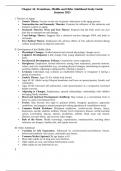
The individual
, Energy sources
Autotrophs: use inorganic sources of carbon for their energy source
o Photosynthetic use c02 as carbon source and sunlight
o Chemosynthetic use organic and inorganic molecules as source of carbon
Heterotrophs: use organic molecules as sources of carbon and energy
o They need: solar energy, carbon dioxide, mineral nutrients and water
Categories of heterotrophs
o Herbivores feed on plants
o Carnivores mainly feed on animals
o Detritivores feed on non-living organic matter, usually plant remains
Ecological stoichiometry
The balance of multiple chemical elements
Carbon, oxygen, hydrogen, nitrogen, phosphorus make up the majority of the
biomass, 93 to 97%
Plants need nutrients from the soil
Animals require sodium and iodine and nutrients
C:N ratio is higher in plants than herbivores
o This has to do with how plants are constructed
o The material plants are made off consist out of a lot of carbon
Various parts of plants have different compositions and offer different resources
herbivores
o Substantial nutritional chemistry problems
must compensate for large difference between food nutrient content
o must overcome plant physical and chemical defenses
Thorns, silica, cellulose, and lignin (hard to digest)
Toxins, digestion-reducing substances
Carnivores
o Need far less nutrition’s
o Predators and their prey have similar low C:N and C:P ratios
o Prey defences include
Camouflage
Anatomical and chemical features (spines, poisons)
Behaviours (flight, flashing bright colours)
Resource mutualism in plants
Plants cannot acquire their essential resources on their own
Some are collected from the soil: CO2, carbohydrate, water
and some nutrients
Mutualistic associations with mycorrhizal fungi
o Mutualism refers to interaction that is beneficial to
both parties
o The mycorrhizal provide plants with greater access to
inorganic nutrients: particularly P and also K, Cu, Zn
and N
o The mycorrhizal takes some of the energy that the plant send to the roots
Radboud University
Pleun Maarssen
Inhoudsopgave
The individual................................................................................................................................................ 1
Energy sources......................................................................................................................................................2
Ecological stoichiometry.......................................................................................................................................2
Resource mutualism in plants..............................................................................................................................2
Resource mutualism in animals...........................................................................................................................3
Functional response.............................................................................................................................................3
Populations................................................................................................................................................... 3
Age distributions, survivorship curves, population growth..................................................................................4
Regulation and fluctuation...................................................................................................................................4
Life history variation.............................................................................................................................................4
Species interactions....................................................................................................................................... 5
Interspecific competition......................................................................................................................................5
Predation..............................................................................................................................................................6
Parasitism and disease.........................................................................................................................................6
Communities................................................................................................................................................. 8
community stability..............................................................................................................................................9
Ecosystems.................................................................................................................................................... 9
Energy flow...........................................................................................................................................................9
Flows of matter and decomposition...................................................................................................................10
Pools and fluxes..................................................................................................................................................10
Landscape ecology....................................................................................................................................... 11
Metapopulations................................................................................................................................................11
The theory of island............................................................................................................................................11
The individual
, Energy sources
Autotrophs: use inorganic sources of carbon for their energy source
o Photosynthetic use c02 as carbon source and sunlight
o Chemosynthetic use organic and inorganic molecules as source of carbon
Heterotrophs: use organic molecules as sources of carbon and energy
o They need: solar energy, carbon dioxide, mineral nutrients and water
Categories of heterotrophs
o Herbivores feed on plants
o Carnivores mainly feed on animals
o Detritivores feed on non-living organic matter, usually plant remains
Ecological stoichiometry
The balance of multiple chemical elements
Carbon, oxygen, hydrogen, nitrogen, phosphorus make up the majority of the
biomass, 93 to 97%
Plants need nutrients from the soil
Animals require sodium and iodine and nutrients
C:N ratio is higher in plants than herbivores
o This has to do with how plants are constructed
o The material plants are made off consist out of a lot of carbon
Various parts of plants have different compositions and offer different resources
herbivores
o Substantial nutritional chemistry problems
must compensate for large difference between food nutrient content
o must overcome plant physical and chemical defenses
Thorns, silica, cellulose, and lignin (hard to digest)
Toxins, digestion-reducing substances
Carnivores
o Need far less nutrition’s
o Predators and their prey have similar low C:N and C:P ratios
o Prey defences include
Camouflage
Anatomical and chemical features (spines, poisons)
Behaviours (flight, flashing bright colours)
Resource mutualism in plants
Plants cannot acquire their essential resources on their own
Some are collected from the soil: CO2, carbohydrate, water
and some nutrients
Mutualistic associations with mycorrhizal fungi
o Mutualism refers to interaction that is beneficial to
both parties
o The mycorrhizal provide plants with greater access to
inorganic nutrients: particularly P and also K, Cu, Zn
and N
o The mycorrhizal takes some of the energy that the plant send to the roots