SQL
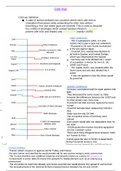
SQL stands for Structured Query Language and is a way of finding and editing a database.
Select
The SELECT command allows you to query a database and specify the data that returns.
SELECT (attribute) 0
FROM (table) What returns.
WHERE (variable = specified value) Where it returns from.
Can also use the command ORDER to order the data returned.
ORDER BY (variable) DESC (descending order) Sorts returned data by a specified operand.
Inner Join
Relational databases allow for linking tables and performing complex searches on the data.
To search for data on large, multi-table databases, you have to join the queries.
SELECT (variables from different tables)
FROM (names of tables with the data in)
WHERE (the fields are the same across the tables)
AND (variables)
ORDER BY (the order operand)
Update
SQL stands for Structured Query Language and is a way of finding and editing a database.
Select
The SELECT command allows you to query a database and specify the data that returns.
SELECT (attribute) 0
FROM (table) What returns.
WHERE (variable = specified value) Where it returns from.
Can also use the command ORDER to order the data returned.
ORDER BY (variable) DESC (descending order) Sorts returned data by a specified operand.
Inner Join
Relational databases allow for linking tables and performing complex searches on the data.
To search for data on large, multi-table databases, you have to join the queries.
SELECT (variables from different tables)
FROM (names of tables with the data in)
WHERE (the fields are the same across the tables)
AND (variables)
ORDER BY (the order operand)
Update