ADDICTION WEEK 5
DIAGNOSTIC ASSESSMENT
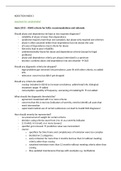
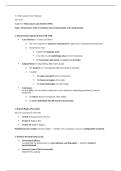
Hasin 2013 – DSM5 criteria for SUDs: recommendations and rationale
Should abuse and dependence be kept as two separate diagnoses?
- reliability of abuse is lower than dependence
- syndrome requires more than one symptom, but abuse only required one criterion
- abuse is often assumed milder than dependence but not always the case
- all cases of dependence meet criteria for abuse
- hierarchy lead to poor reliability
- unidimensionality found for abuse and dependence criteria (except for legal
problems)
- abuse and dependence criteria are always intermixed in a spectrum
- decision: combine abuse and dependence into one disorder SUD
Should any diagnostic criteria be dropped?
- legal problems got removed: low prevalence, poor fit with other criteria, no added
info
- tolerance: concerns but didn’t get dropped
Should any criteria be added?
- craving: included in ICD10 so increase consistency, added total info, biological
treatment target added
- consumption: quantity of frequency, worsening of modeling fit not added
What should the diagnostic threshold be?
- agreement maximized with 2 or more criteria
- concerns that this is too low (indicators of severity, need to identify all cases that
merit intervention
- supervised medical use of certain substances can lead to invalid SUD diagnoses!
How should severity be represented?
- no universal set of weight for certain criteria
- decision: using criteria count from 2 to 11 as a severity indicator
- 2-3 (mild), 4-5 (mod), 6 or more (severe)
- specifier got removed predictive value was inconsistent
- course:
o specifiers for time frame and completeness of remission were too complex
o decided on 2 categories:
o early remission for more than 3 months but less than 12 without meeting
criteria other than craving
o sustained remission more than 12 months without meeting criteria other than
craving
o they updated maintenance therapy with examples e.g. methadone
,Could the definitions of substance-induced mental disorders be improved?
- decisions:
- for diagnosing substance-induced mental disorder, add criterion that the disorder
resembles the full criteria of the relevant disorder
- remove the req. that symptoms exceed expected intoxication or withdrawal
symptoms
- specify that substance must be capable of producing psychiatric symptoms
- change the name primary (mental disorder, prior to substance use or persist more
than 4 weeks after cessation, implies hierarchy) to independent
- change “substance induced” to “substance/medication induced”
Could biomarkers be utilized in making SUD diagnoses?
- decision was not to add any markers
- genetic variants don’t have enough evidence
- measuring dopamine markers is difficult and overlaps with other disorders
Should polysubstance dependence be retained?
- decision was to eliminate polysubstance dependence
- this allowed diagnosis for multiple substance users who failed to meet dependence
criteria for one, but had 3 or more dependence criteria collectively across substances
- became irrelevant with new additions
Substance-specific issues
Should cannabis, caffeine, inhalant and ecstasy withdrawal disorders be added?
- validity and reliability of cannabis withdrawal proven cannabis use
disorder/withdrawal/intoxication added
- insufficient evidence for inhalants and hallucinogens? (but they are disorders now in
the dsm5 I have, I’m confused?)
- evidence support reliability and clinical significance of “caffeine withdrawal”
added, more research needed for addition of “caffeine use disorder”, not there yet
Should nicotine criteria be aligned with diagnostic criteria for the other SUDs?
- tobacco use disorder is more discriminating and produces higher prevalence than
nicotine dependence, unidimensionality with substance use patients
- decision: align dsm5 criteria for tobacco use disorder with criteria for other SUDs
Should neurobehavioral disorder associated with prenatal alcohol exposure be added?
- they included it in section 3 for suggestions but more info needed before it can get a
main diagnosis
Issues not related to substances
Should gambling disorders and other putative behavioral addictions be added to SUDs?
- pathological gambling was in impulse control disorders, they changed the name to
gambling disorder and removed “illegal acts to finance gambling” criterion, reduced
diagnostic threshold
, - no standard diagnostic criteria and limited data on other Bas (mostly for internet
addiction and shopping), internet gaming was added to section 3 of suggestions for
the future
Should the name of the chapter be changed?
- addition of gambling required a change in name for the chapter
- tension over the terms “addiction” and “dependence”, advocating addiction as a
general term and dependence specific to tolerance/withdrawal
- no consensus
- now it’s called “substance related and addictive disorders”, it includes gambling
Fong 2021 – Chapter 5 Assessment, Psychiatry Online
- initial psychiatric evaluation includes: patient’s use of tobacco, alcohol, psychoactive
substances, prescribed medication and other supplements
- 1) describing current and past patterns of substance use emphasis on excessive,
harmful or hazardous ones
- 2) diagnosing any substance related disorder that may be present not
- 3) documenting the effect of substance use on the person’s mental and physical state
- readiness to change, co-occurring psy disorders, medical history, physical exam.,
family history, social factors also important
Before assessment:
- review of medical record beforehand
- check prescription drug monitoring program database
- administer and review substance use screening forms in advance
conducting the substance use assessment with open-ended questions
structure of assessment
- substance use history (all 10 classes of drugs should be considered)
- ask about non-substance related disorders (behavioral addictions)
- distinguish substance use from substance use disorder (and substance induced
disorders)
- SUD treatment history
- psychiatric history (current and before the onset of substance use)
- medical history
- family history
- social history (home, health, purpose, community)
- collateral information (objective additional info from other people)
- physical and mental status examination (including cognitive and memory testing)
- lab tests
potential adverse effects related to substance use assessment
- missing diagnoses, wrong diagnoses, spending too much time, being scared to trigger
urges with questions (false notion)
DIAGNOSTIC ASSESSMENT
Hasin 2013 – DSM5 criteria for SUDs: recommendations and rationale
Should abuse and dependence be kept as two separate diagnoses?
- reliability of abuse is lower than dependence
- syndrome requires more than one symptom, but abuse only required one criterion
- abuse is often assumed milder than dependence but not always the case
- all cases of dependence meet criteria for abuse
- hierarchy lead to poor reliability
- unidimensionality found for abuse and dependence criteria (except for legal
problems)
- abuse and dependence criteria are always intermixed in a spectrum
- decision: combine abuse and dependence into one disorder SUD
Should any diagnostic criteria be dropped?
- legal problems got removed: low prevalence, poor fit with other criteria, no added
info
- tolerance: concerns but didn’t get dropped
Should any criteria be added?
- craving: included in ICD10 so increase consistency, added total info, biological
treatment target added
- consumption: quantity of frequency, worsening of modeling fit not added
What should the diagnostic threshold be?
- agreement maximized with 2 or more criteria
- concerns that this is too low (indicators of severity, need to identify all cases that
merit intervention
- supervised medical use of certain substances can lead to invalid SUD diagnoses!
How should severity be represented?
- no universal set of weight for certain criteria
- decision: using criteria count from 2 to 11 as a severity indicator
- 2-3 (mild), 4-5 (mod), 6 or more (severe)
- specifier got removed predictive value was inconsistent
- course:
o specifiers for time frame and completeness of remission were too complex
o decided on 2 categories:
o early remission for more than 3 months but less than 12 without meeting
criteria other than craving
o sustained remission more than 12 months without meeting criteria other than
craving
o they updated maintenance therapy with examples e.g. methadone
,Could the definitions of substance-induced mental disorders be improved?
- decisions:
- for diagnosing substance-induced mental disorder, add criterion that the disorder
resembles the full criteria of the relevant disorder
- remove the req. that symptoms exceed expected intoxication or withdrawal
symptoms
- specify that substance must be capable of producing psychiatric symptoms
- change the name primary (mental disorder, prior to substance use or persist more
than 4 weeks after cessation, implies hierarchy) to independent
- change “substance induced” to “substance/medication induced”
Could biomarkers be utilized in making SUD diagnoses?
- decision was not to add any markers
- genetic variants don’t have enough evidence
- measuring dopamine markers is difficult and overlaps with other disorders
Should polysubstance dependence be retained?
- decision was to eliminate polysubstance dependence
- this allowed diagnosis for multiple substance users who failed to meet dependence
criteria for one, but had 3 or more dependence criteria collectively across substances
- became irrelevant with new additions
Substance-specific issues
Should cannabis, caffeine, inhalant and ecstasy withdrawal disorders be added?
- validity and reliability of cannabis withdrawal proven cannabis use
disorder/withdrawal/intoxication added
- insufficient evidence for inhalants and hallucinogens? (but they are disorders now in
the dsm5 I have, I’m confused?)
- evidence support reliability and clinical significance of “caffeine withdrawal”
added, more research needed for addition of “caffeine use disorder”, not there yet
Should nicotine criteria be aligned with diagnostic criteria for the other SUDs?
- tobacco use disorder is more discriminating and produces higher prevalence than
nicotine dependence, unidimensionality with substance use patients
- decision: align dsm5 criteria for tobacco use disorder with criteria for other SUDs
Should neurobehavioral disorder associated with prenatal alcohol exposure be added?
- they included it in section 3 for suggestions but more info needed before it can get a
main diagnosis
Issues not related to substances
Should gambling disorders and other putative behavioral addictions be added to SUDs?
- pathological gambling was in impulse control disorders, they changed the name to
gambling disorder and removed “illegal acts to finance gambling” criterion, reduced
diagnostic threshold
, - no standard diagnostic criteria and limited data on other Bas (mostly for internet
addiction and shopping), internet gaming was added to section 3 of suggestions for
the future
Should the name of the chapter be changed?
- addition of gambling required a change in name for the chapter
- tension over the terms “addiction” and “dependence”, advocating addiction as a
general term and dependence specific to tolerance/withdrawal
- no consensus
- now it’s called “substance related and addictive disorders”, it includes gambling
Fong 2021 – Chapter 5 Assessment, Psychiatry Online
- initial psychiatric evaluation includes: patient’s use of tobacco, alcohol, psychoactive
substances, prescribed medication and other supplements
- 1) describing current and past patterns of substance use emphasis on excessive,
harmful or hazardous ones
- 2) diagnosing any substance related disorder that may be present not
- 3) documenting the effect of substance use on the person’s mental and physical state
- readiness to change, co-occurring psy disorders, medical history, physical exam.,
family history, social factors also important
Before assessment:
- review of medical record beforehand
- check prescription drug monitoring program database
- administer and review substance use screening forms in advance
conducting the substance use assessment with open-ended questions
structure of assessment
- substance use history (all 10 classes of drugs should be considered)
- ask about non-substance related disorders (behavioral addictions)
- distinguish substance use from substance use disorder (and substance induced
disorders)
- SUD treatment history
- psychiatric history (current and before the onset of substance use)
- medical history
- family history
- social history (home, health, purpose, community)
- collateral information (objective additional info from other people)
- physical and mental status examination (including cognitive and memory testing)
- lab tests
potential adverse effects related to substance use assessment
- missing diagnoses, wrong diagnoses, spending too much time, being scared to trigger
urges with questions (false notion)