Research methodology
Chapter 1................................................................................................................................ 3
Theory-data cycle.............................................................................................................. 3
Features of good scientific theories....................................................................................3
Chapter 2................................................................................................................................ 4
The research vs. your experience......................................................................................4
The research vs. your intuition...........................................................................................4
Finding and reading research............................................................................................4
Chapter 3................................................................................................................................ 5
Variables............................................................................................................................ 5
Three claims...................................................................................................................... 5
Four validities..................................................................................................................... 5
Three criteria for causation................................................................................................5
Chapter 4................................................................................................................................ 6
Core ethical principles........................................................................................................6
Institutional review board...................................................................................................6
Research misconduct........................................................................................................ 6
Chapter 5................................................................................................................................ 7
Ways to measure variables................................................................................................7
Reliability of measurement.................................................................................................7
Validity of measurement....................................................................................................7
Chapter 6................................................................................................................................ 9
Survey questions...............................................................................................................9
Types of observational research........................................................................................9
Valid observations..............................................................................................................9
Chapter 7.............................................................................................................................. 10
Probability sampling.........................................................................................................10
Nonprobability sampling...................................................................................................10
Chapter 8.............................................................................................................................. 11
Bivariate correlations.......................................................................................................11
Interrogating association claims.......................................................................................11
Chapter 10............................................................................................................................ 13
Experiments..................................................................................................................... 13
Three criteria for causal claims........................................................................................13
Independent-groups designs............................................................................................14
Within-groups designs.....................................................................................................14
Interrogating causal claims with the four validities...........................................................15
Chapter 11............................................................................................................................ 16
Confounds in a one-group, pretest/posttest design..........................................................16
Three confounds in any study..........................................................................................16
Null effects....................................................................................................................... 16
Not enough between-group difference.............................................................................17
Within-groups variability is too large.................................................................................17
Chapter 12............................................................................................................................ 18
Experiments with one independent variable.....................................................................18
, Results of factorial results:...............................................................................................18
Factorial variations........................................................................................................... 19
Chapter 13............................................................................................................................ 20
Quasi-experiments........................................................................................................... 20
Internal validity in quasi-experiments...............................................................................20
Small-N designs, studying only a few individuals.............................................................21
Three small-N designs.....................................................................................................21
Chapter 14............................................................................................................................ 22
A study must be replicated to be important......................................................................22
To be important, must a study have external validity?......................................................22
Does the study have to take place in a real-world setting?..............................................23
Article................................................................................................................................... 24
The replication crisis........................................................................................................ 24
Improvements.................................................................................................................. 24
What to do with open data?.............................................................................................24
, Chapter 1
Theory-data cycle
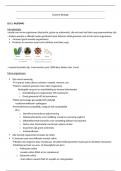
The fundamental ways to approach research:
Observation - theory - prediction (hypothesis) - testing - evaluation
Example:
Two theories as to why new-borns have strong
attachments to their caregivers:
1. Cupboard theory. Mother gives infant food, so
mother is associated with pleasure.
2. Contact comfort theory. Comfort from mother of
cosy touch.
Separated the two theories to test which one is
correct (or neither) by making cupboard moms and
comfort moms (made 2 predictions) and the comfort
theory won. Theory-data cycle in action.
observation
Features of good scientific theories
1. Theory is supported by data.
2. Theory is falsifiable. A theory must lead to hypotheses that, when tested, could actually
fail to support the theory. Some theories that are unfalsifiable, people still support, like green
men in the brain that hide when you try to find them.
3. Theory has parsimony. It needs to be simple and well explained.
Applied research is done with a practical problem in mind, which contains a specific
question. Basic research is not intended to address a specific problem, but to enhance the
general body of knowledge. Translational research is the use of lessons from basic
research in the practical field.
Scientists want to publish their research, but it needs to be peer-reviewed first, and then
edited by the editor. Journalism is needed to reach the general public. The story needs to be
important (and peer-reviewed) and the story needs to be accurate, so journalists don't
misrepresent research.
Chapter 1................................................................................................................................ 3
Theory-data cycle.............................................................................................................. 3
Features of good scientific theories....................................................................................3
Chapter 2................................................................................................................................ 4
The research vs. your experience......................................................................................4
The research vs. your intuition...........................................................................................4
Finding and reading research............................................................................................4
Chapter 3................................................................................................................................ 5
Variables............................................................................................................................ 5
Three claims...................................................................................................................... 5
Four validities..................................................................................................................... 5
Three criteria for causation................................................................................................5
Chapter 4................................................................................................................................ 6
Core ethical principles........................................................................................................6
Institutional review board...................................................................................................6
Research misconduct........................................................................................................ 6
Chapter 5................................................................................................................................ 7
Ways to measure variables................................................................................................7
Reliability of measurement.................................................................................................7
Validity of measurement....................................................................................................7
Chapter 6................................................................................................................................ 9
Survey questions...............................................................................................................9
Types of observational research........................................................................................9
Valid observations..............................................................................................................9
Chapter 7.............................................................................................................................. 10
Probability sampling.........................................................................................................10
Nonprobability sampling...................................................................................................10
Chapter 8.............................................................................................................................. 11
Bivariate correlations.......................................................................................................11
Interrogating association claims.......................................................................................11
Chapter 10............................................................................................................................ 13
Experiments..................................................................................................................... 13
Three criteria for causal claims........................................................................................13
Independent-groups designs............................................................................................14
Within-groups designs.....................................................................................................14
Interrogating causal claims with the four validities...........................................................15
Chapter 11............................................................................................................................ 16
Confounds in a one-group, pretest/posttest design..........................................................16
Three confounds in any study..........................................................................................16
Null effects....................................................................................................................... 16
Not enough between-group difference.............................................................................17
Within-groups variability is too large.................................................................................17
Chapter 12............................................................................................................................ 18
Experiments with one independent variable.....................................................................18
, Results of factorial results:...............................................................................................18
Factorial variations........................................................................................................... 19
Chapter 13............................................................................................................................ 20
Quasi-experiments........................................................................................................... 20
Internal validity in quasi-experiments...............................................................................20
Small-N designs, studying only a few individuals.............................................................21
Three small-N designs.....................................................................................................21
Chapter 14............................................................................................................................ 22
A study must be replicated to be important......................................................................22
To be important, must a study have external validity?......................................................22
Does the study have to take place in a real-world setting?..............................................23
Article................................................................................................................................... 24
The replication crisis........................................................................................................ 24
Improvements.................................................................................................................. 24
What to do with open data?.............................................................................................24
, Chapter 1
Theory-data cycle
The fundamental ways to approach research:
Observation - theory - prediction (hypothesis) - testing - evaluation
Example:
Two theories as to why new-borns have strong
attachments to their caregivers:
1. Cupboard theory. Mother gives infant food, so
mother is associated with pleasure.
2. Contact comfort theory. Comfort from mother of
cosy touch.
Separated the two theories to test which one is
correct (or neither) by making cupboard moms and
comfort moms (made 2 predictions) and the comfort
theory won. Theory-data cycle in action.
observation
Features of good scientific theories
1. Theory is supported by data.
2. Theory is falsifiable. A theory must lead to hypotheses that, when tested, could actually
fail to support the theory. Some theories that are unfalsifiable, people still support, like green
men in the brain that hide when you try to find them.
3. Theory has parsimony. It needs to be simple and well explained.
Applied research is done with a practical problem in mind, which contains a specific
question. Basic research is not intended to address a specific problem, but to enhance the
general body of knowledge. Translational research is the use of lessons from basic
research in the practical field.
Scientists want to publish their research, but it needs to be peer-reviewed first, and then
edited by the editor. Journalism is needed to reach the general public. The story needs to be
important (and peer-reviewed) and the story needs to be accurate, so journalists don't
misrepresent research.