0. Introduction
1. What is Macroeconomics?
3.The Macroeconomic Models
2 Types of Models
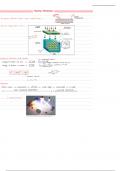
Exogenous Variables VS Endogenous Variables
4.History of macroeconomic thought
Before the 1930ʼs Classical View)
1930ʼs Great Depression & Birth of MacroEco)
1940s 1960s Post-war Keynesian Synthesis)
1970s Challenges to Keynesianism)
1980s-…
2010s-… Modern Business Cycles Models)
Conclusions
1. What is Macroeconomics?
Macroeconomics
The study of the economy of a country, society or region as a whole
It looks at aggregate variables computed over the households or individuals in an area.
e.g. Output or Income GDP, Inflation, ST & LR interest rates, Wealth
What do you study in macroeconomics?
What are the driving forces behind business cycle fluctuations
(economic growth, inflation, interest rates)?
How are short-run and long-run interest rates determined?
Is long-run economic growth desirable in the midst of climate
change and biodiversity loss?
…
3.The Macroeconomic Models
2 Types of Models
Empirical Models
Start with empirical data and than draw conclusion
Theoretical models
Models are built through logical thinking, than test it to the empirical data
The 2 types are complementary and communicating
Exogenous Variables VS Endogenous Variables
0. Introduction 1
, Exogenous Variables
These variables are determined outside the model, “Inputsˮ
Endogenous Variables
These variables are determined in the model, “Outputsˮ
Example
Exogenous: AD, AS
Endogenous: Equilibrium, Equilibrium price,
Equilibrium Quantity
Models explaining the same things can result in different predictions and conclusions
Keep track of 3 main things when dealing with Macro Models
The Model Assumptions
Which Variables are Exogenous and which are Endogenous
Questions that can help us understand the model
4.History of macroeconomic thought
Before the 1930ʼs (Classical View)
Agg Production depends only on Supply
Dynamics driven by shocks to input of classical Production function
Labor, Capital, Tech)
Changes in Agg production was seen as temporary supply shocks and not important
Policy makers should guarantee full price & wage flexibility
No need for fiscal or monetary policy
Negative shock according to “classical viewˮ
1930ʼs ( Great Depression & Birth of MacroEco)
0. Introduction 2
, The Great Depression
U.S. Unemployment rates around 25%, their production fell by almost 30%, it spread to other countries
The Unemployment and decline in output challenged the “Classical View CVˮ
The Cv didnʼt allow structural unemployment as long as wages & prices were flexible, but even
after declining prices & wages → unemployment
This was contradictory to the CV
The Birth of Macroeconomics
Policymakers needed theories & policy recommendations to get out of the economic downturn
Macroeconomics was born!
John Maynard Keynesʼ General Theory 1936 is often seen as the true
birth of MacroEco science.
He discusses that…
Animal spirits & volatile business investment creates business cycles
Agg Demand matters
Fiscal & Monetary policy is required to stabilise economy
Prices & wages arenʼt flexible but partially rigid
Keynesian View
1940s - 1960s (Post-war Keynesian Synthesis)
After WWII, Keynesʼ business cycle theories were extended
ISLM Model by Hicks, Modigliani
A model of the demand side
Phillips-Curve 1958
→ a model of Inflation & unemployment
Post Keynesianism
More radical interpretations
0. Introduction 3
, ISLM Model on the left, Phillips-Curve on the right
Economist started constructing formalised model of LR economic growth
e.g. Solow Model & Swan Model 1956
1970s (Challenges to Keynesianism)
Keynesian Phillips Curve theories couldnʼt explain stagflation.
Monetarism & Milton Friedman challenged Keynesianism in multiple ways
Quantity theory of money
Inflation is a monetary phenomenon → this is contradictory to the Phillips curve
Permanent income hypothesis
Consumption is driven by permanent income and not disposable income
The Lucas Critique
Econometric Keynesian models are structurally flawed
1980s-…
Quantitative Model of the business cycle
Real business cycle RBC models 1980s 1990s)
Quantitative models where business cycles are driven by supply-side shocks
Kydland & Prescott)
New Keynesian models 1990s-…)
Extension of the RBC-models with Keynesian elements, mostly wage and price inflexibility
Gali)
Modern long-run growth theories
2 Types
Endogenous Growth Theory 1980s 1990s)
e.g. Endogenous technical progress(Romer, 1990,Human Capital(Romer-Manwik-Weil model),…
Climate Growth Models 1990s)
⇒ extensions of LR growth models by incorporating greenhouse gas emissions & climate damages
e.g. Nordhaus-models
2010s-… ( Modern Business Cycles Models)
New Keynesian models couldnʼt account for the Great Financial Crisis of ‘08ʼ09, led to the creation of…
Heterogeneous-agent New Keynesian-models
0. Introduction 4
1. What is Macroeconomics?
3.The Macroeconomic Models
2 Types of Models
Exogenous Variables VS Endogenous Variables
4.History of macroeconomic thought
Before the 1930ʼs Classical View)
1930ʼs Great Depression & Birth of MacroEco)
1940s 1960s Post-war Keynesian Synthesis)
1970s Challenges to Keynesianism)
1980s-…
2010s-… Modern Business Cycles Models)
Conclusions
1. What is Macroeconomics?
Macroeconomics
The study of the economy of a country, society or region as a whole
It looks at aggregate variables computed over the households or individuals in an area.
e.g. Output or Income GDP, Inflation, ST & LR interest rates, Wealth
What do you study in macroeconomics?
What are the driving forces behind business cycle fluctuations
(economic growth, inflation, interest rates)?
How are short-run and long-run interest rates determined?
Is long-run economic growth desirable in the midst of climate
change and biodiversity loss?
…
3.The Macroeconomic Models
2 Types of Models
Empirical Models
Start with empirical data and than draw conclusion
Theoretical models
Models are built through logical thinking, than test it to the empirical data
The 2 types are complementary and communicating
Exogenous Variables VS Endogenous Variables
0. Introduction 1
, Exogenous Variables
These variables are determined outside the model, “Inputsˮ
Endogenous Variables
These variables are determined in the model, “Outputsˮ
Example
Exogenous: AD, AS
Endogenous: Equilibrium, Equilibrium price,
Equilibrium Quantity
Models explaining the same things can result in different predictions and conclusions
Keep track of 3 main things when dealing with Macro Models
The Model Assumptions
Which Variables are Exogenous and which are Endogenous
Questions that can help us understand the model
4.History of macroeconomic thought
Before the 1930ʼs (Classical View)
Agg Production depends only on Supply
Dynamics driven by shocks to input of classical Production function
Labor, Capital, Tech)
Changes in Agg production was seen as temporary supply shocks and not important
Policy makers should guarantee full price & wage flexibility
No need for fiscal or monetary policy
Negative shock according to “classical viewˮ
1930ʼs ( Great Depression & Birth of MacroEco)
0. Introduction 2
, The Great Depression
U.S. Unemployment rates around 25%, their production fell by almost 30%, it spread to other countries
The Unemployment and decline in output challenged the “Classical View CVˮ
The Cv didnʼt allow structural unemployment as long as wages & prices were flexible, but even
after declining prices & wages → unemployment
This was contradictory to the CV
The Birth of Macroeconomics
Policymakers needed theories & policy recommendations to get out of the economic downturn
Macroeconomics was born!
John Maynard Keynesʼ General Theory 1936 is often seen as the true
birth of MacroEco science.
He discusses that…
Animal spirits & volatile business investment creates business cycles
Agg Demand matters
Fiscal & Monetary policy is required to stabilise economy
Prices & wages arenʼt flexible but partially rigid
Keynesian View
1940s - 1960s (Post-war Keynesian Synthesis)
After WWII, Keynesʼ business cycle theories were extended
ISLM Model by Hicks, Modigliani
A model of the demand side
Phillips-Curve 1958
→ a model of Inflation & unemployment
Post Keynesianism
More radical interpretations
0. Introduction 3
, ISLM Model on the left, Phillips-Curve on the right
Economist started constructing formalised model of LR economic growth
e.g. Solow Model & Swan Model 1956
1970s (Challenges to Keynesianism)
Keynesian Phillips Curve theories couldnʼt explain stagflation.
Monetarism & Milton Friedman challenged Keynesianism in multiple ways
Quantity theory of money
Inflation is a monetary phenomenon → this is contradictory to the Phillips curve
Permanent income hypothesis
Consumption is driven by permanent income and not disposable income
The Lucas Critique
Econometric Keynesian models are structurally flawed
1980s-…
Quantitative Model of the business cycle
Real business cycle RBC models 1980s 1990s)
Quantitative models where business cycles are driven by supply-side shocks
Kydland & Prescott)
New Keynesian models 1990s-…)
Extension of the RBC-models with Keynesian elements, mostly wage and price inflexibility
Gali)
Modern long-run growth theories
2 Types
Endogenous Growth Theory 1980s 1990s)
e.g. Endogenous technical progress(Romer, 1990,Human Capital(Romer-Manwik-Weil model),…
Climate Growth Models 1990s)
⇒ extensions of LR growth models by incorporating greenhouse gas emissions & climate damages
e.g. Nordhaus-models
2010s-… ( Modern Business Cycles Models)
New Keynesian models couldnʼt account for the Great Financial Crisis of ‘08ʼ09, led to the creation of…
Heterogeneous-agent New Keynesian-models
0. Introduction 4