Class – internal and external
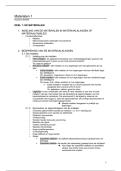
Internal factors
1. Labelling
2. Self fulfilling prophecy
3. Streaming
4. Pupil subcultures
5. Pupils social class identities
Labelling
The looking glass self
Cooley
States that a persons self grows out of society’s interactions and the perceptions of others
For example, people shape themselves based on other peoples perceptions
Labelling means to attach a meaning of definition to someone
Teachers may label students as smart or dumb
Research shows teachers attach labels regardless of the students actual abilities and
attitude
Instead they label students based on stereotyped assumptions about class background
MC = positive
WC = negative Interactionalist approach studies interactions such as how people attach labels
and the effects of those labelled
Becker – ideal pupil
Interviewed 60 chicago high school teachers
Teachers judged students based on how closely they fitted how they imagined the ideal
pupil was
Judgements were made by pupils work, conduct and appearance
MC seen as closest to ideal compared to WC who were seen as furthest to ideal pupil
Rist – labelling in primary schools
American kindergarten study
Teachers used information about children’s home backgrounds and appearance to place
them into separate groups
Tigers
MC
Clean and neat in appearance
Determined as fast learners
Seated closest to the teacher
Gained lots of praise and encouragement
Cardinals and Clowns
WC
Given lower level books
Seated furthest away
Gained little praise and chances to show their ability
, Dunne and Gazeley
Interviews in 9 english state secondary schools
WC underachievement was normalised
Teachers were unconcerned and believed there was little to do
WC parents labelled as uninterested
MC underachievement was seen as fixable
MC parents labelled as supportive
This lead to class differences in how teachers dealt with underachieving pupils
MC given extension activities
WC entered into lower tier examinations
WC underestimated as those who were doing well were seen as overachieving
Evaluation of labelling
Rist
Only looked at one kindergarten in America so results are difficult to generalise and apply
to other countries and kindergartens
Only looked at kindergarten level thus making results not generalisable to all ages in the
education system
Mary fuller
Studied a group of black schoolgirls who rejected their labels
They channelled their anger about being labelled into their pursuit of educational
success
Self fulfilling prophecy
Self-fullfilling prophecy means a prediction that comes true simply as a result of the
expectation that it will come true
Steps of self fulfilling prophecy
1 = the teacher labels a pupil and makes predictions based on this
2 = teacher treats pupil accordingly, acting as if the prediction is true
3 = pupil internalises teachers expectations and this becomes part of their self image
They now become the pupil the teacher expected them to be in the first place
Labelling can lead to a self-fullfilling prophecy or a self-refuting prophecy
Rosenthal and Jacobsen – Pygmalion effect
Field experiment in a California primary school
Told school they had a test which could identify pupils who would ‘spurt’ ahead
Researchers tested all the pupils (was actually a IQ test) andrandomly picked 20% and
identified them as ‘spurters’
one year later 47% of those identified as ‘spurters’ had made significant progress
teachers beliefs about the students had been influenced by those test results thus
interacting with their students differently leading to a self-fullfilling prophecy
Self-fulfilling prophecy evaluation
field experiment means other factors that weren’t accounted for and controlled could’ve
influenced the results and so it cannot be determined that labelling alone caused these
improvements
Internal factors
1. Labelling
2. Self fulfilling prophecy
3. Streaming
4. Pupil subcultures
5. Pupils social class identities
Labelling
The looking glass self
Cooley
States that a persons self grows out of society’s interactions and the perceptions of others
For example, people shape themselves based on other peoples perceptions
Labelling means to attach a meaning of definition to someone
Teachers may label students as smart or dumb
Research shows teachers attach labels regardless of the students actual abilities and
attitude
Instead they label students based on stereotyped assumptions about class background
MC = positive
WC = negative Interactionalist approach studies interactions such as how people attach labels
and the effects of those labelled
Becker – ideal pupil
Interviewed 60 chicago high school teachers
Teachers judged students based on how closely they fitted how they imagined the ideal
pupil was
Judgements were made by pupils work, conduct and appearance
MC seen as closest to ideal compared to WC who were seen as furthest to ideal pupil
Rist – labelling in primary schools
American kindergarten study
Teachers used information about children’s home backgrounds and appearance to place
them into separate groups
Tigers
MC
Clean and neat in appearance
Determined as fast learners
Seated closest to the teacher
Gained lots of praise and encouragement
Cardinals and Clowns
WC
Given lower level books
Seated furthest away
Gained little praise and chances to show their ability
, Dunne and Gazeley
Interviews in 9 english state secondary schools
WC underachievement was normalised
Teachers were unconcerned and believed there was little to do
WC parents labelled as uninterested
MC underachievement was seen as fixable
MC parents labelled as supportive
This lead to class differences in how teachers dealt with underachieving pupils
MC given extension activities
WC entered into lower tier examinations
WC underestimated as those who were doing well were seen as overachieving
Evaluation of labelling
Rist
Only looked at one kindergarten in America so results are difficult to generalise and apply
to other countries and kindergartens
Only looked at kindergarten level thus making results not generalisable to all ages in the
education system
Mary fuller
Studied a group of black schoolgirls who rejected their labels
They channelled their anger about being labelled into their pursuit of educational
success
Self fulfilling prophecy
Self-fullfilling prophecy means a prediction that comes true simply as a result of the
expectation that it will come true
Steps of self fulfilling prophecy
1 = the teacher labels a pupil and makes predictions based on this
2 = teacher treats pupil accordingly, acting as if the prediction is true
3 = pupil internalises teachers expectations and this becomes part of their self image
They now become the pupil the teacher expected them to be in the first place
Labelling can lead to a self-fullfilling prophecy or a self-refuting prophecy
Rosenthal and Jacobsen – Pygmalion effect
Field experiment in a California primary school
Told school they had a test which could identify pupils who would ‘spurt’ ahead
Researchers tested all the pupils (was actually a IQ test) andrandomly picked 20% and
identified them as ‘spurters’
one year later 47% of those identified as ‘spurters’ had made significant progress
teachers beliefs about the students had been influenced by those test results thus
interacting with their students differently leading to a self-fullfilling prophecy
Self-fulfilling prophecy evaluation
field experiment means other factors that weren’t accounted for and controlled could’ve
influenced the results and so it cannot be determined that labelling alone caused these
improvements