Experimental design & evaluating research
(W2+4)
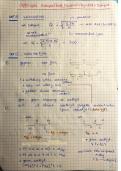
Two main types of data
Quantitative
o Involves gathering numerical data
Qualitative data
o Involves gathering non numerical data
Quantitative research principles
Always begins with a testable prediction (hypothesis)
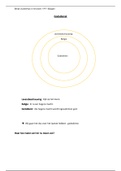
Population vs sample
We cannot gather data from a whole population
Too costly/ time-consuming
Not everyone will respond
Instead, we select a sample - then able to generalise
Types of sampling
Random sampling
o Quite uncommon
o Leads to a representative sample -able to generalise
Simple random sampling: every person in a population has an equal chance of being picked
Stratified sampling: population is divided into meaningful groups and simple random
sampling is conducted in each group
Non random sampling
o Very common
o Leads to a less representative sample
o Saves time and money and often the most practical
Voluntary sampling: population self select themselves to participate
o Snowball sampling: when participants get friends or family to participate
Convenience sampling: population who are easy to reach asked to participate
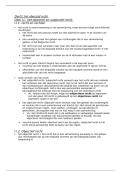
How big should your sample be?
The size of the sample will determine
o Extent to which you can generalise your findings
o Probability of a chance finding or of missing an important finding
Depends on
o Size and homogeneity of the population
o Nature of the variables measured
o Required precision of results
o How confident you are in the results
Experiments
Only way to explore causal relationships
o Do changes in variable A cause changes to variable B
Manipulate the values of one variable A and see if it affects a second variable B, keeping all
other variables constant
(W2+4)
Two main types of data
Quantitative
o Involves gathering numerical data
Qualitative data
o Involves gathering non numerical data
Quantitative research principles
Always begins with a testable prediction (hypothesis)
Population vs sample
We cannot gather data from a whole population
Too costly/ time-consuming
Not everyone will respond
Instead, we select a sample - then able to generalise
Types of sampling
Random sampling
o Quite uncommon
o Leads to a representative sample -able to generalise
Simple random sampling: every person in a population has an equal chance of being picked
Stratified sampling: population is divided into meaningful groups and simple random
sampling is conducted in each group
Non random sampling
o Very common
o Leads to a less representative sample
o Saves time and money and often the most practical
Voluntary sampling: population self select themselves to participate
o Snowball sampling: when participants get friends or family to participate
Convenience sampling: population who are easy to reach asked to participate
How big should your sample be?
The size of the sample will determine
o Extent to which you can generalise your findings
o Probability of a chance finding or of missing an important finding
Depends on
o Size and homogeneity of the population
o Nature of the variables measured
o Required precision of results
o How confident you are in the results
Experiments
Only way to explore causal relationships
o Do changes in variable A cause changes to variable B
Manipulate the values of one variable A and see if it affects a second variable B, keeping all
other variables constant