Failure to reach a settlement 1646-1649
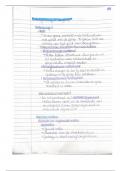
Factions in parliament 1646
Division had emerged from Charles’ intransigence, about how to the fight the civil war
between moderates and radicals- sometimes called Peace Party and the War Party
Two factions Religious and Political
Political Presbyterians
Conservative in social and political matters
Opposed religious toleration- stop radicalism
Favoured a negotiated peace with the king
Disenchanted with the New Model Army
Closer to the Scots
Support for Presbyterian Church to prevent social revolution
Political Independents
Disliked the authoritarianism of Scottish Presbyterianism
Wanted considerable measure of religious toleration (people should pray how
they want to within reason) Catholics excluded of course
Most influential
1646- The Political Presbyterians, most people favoured them for their peace policy, the
whole country was weary of war.
Newcastle Propositions
Religion Charles was to accept establishment of the Presbyterian Church in
England for 3 years
Militia Parliament was to control militia and armed forces for 20 years (likely
to be the remainder of Charles life)
Parliament Triennial act to remain. Regular parliaments to limit power of the
monarchy.
Royalist Only 58 Royalists not to be pardoned – others should accept defeat
Charles failed to respond; he had no intention of agreeing to these terms, but did not say
this directly. (This infuriated the scots who handed him over to England)
Political Presbyterians:
Agreement based of the revision of the Newcastle propositions constituted of two parts.
1) Demobilise the New Model Army (whilst keeping a smaller force to go to Ireland)
2) Create an alternative “Safe” army based on London – trained bands new force into
settlement- the New Model Army
Proposed disbandment of the New Model Army (Holles)
, Many wanted them disbanded because they had a reputation for radicalism. So when
they proposed a vote to disband army it was enthusiastically received by MP’s who
voted in favour in February 1647.
Declaration of Dislike March 1647
Army Petition
Petition was almost exclusively concerned with pay and indemnity rather than political
or religious matters- little doubt concessions on these issues could have be secured the
peaceful disbandment of many regiments
The House of Commons publish statement declaring the petitioners to be “enemies of
the state and disturbers of the peace” this infuriated the soldiers who had fought for
parliament and considered themselves worthy of its gratitude rather than
condemnation.
In Charles third reply to the Newcastle propositions:
1. He conceded to Presbyterianism for 3 years and parliamentary control of the
militia FOR 10 YEARS
2. Charles wanted further negotiations- antagonised the army, as they felt the
terms were too lenient (Charles could not be trusted to honour them)
New Model’s army reaction to disbandment May 1647
The Commons voted to disband the New Model Army on 25 th May with only 8 weeks
arears. Politicialisation of the army became more pronounced and they organised into a
more formal political structure – general council of the army to discuss strategy.
Despite concessions from parliament soldiers believed that the conservative MP’s
intended to betray the cause for which they had fought. And concluded that they would
make an agreement with the king that would sacrifice their political and religious
liberties.
Army seized Charles- summary
New Model Army’s control of Charles allowed them to directly negotiate with him their
own plan of settlement. They negotiated with Charles and when he failed to negotiate it
furthered the radicalisation of the army and made some contemplate removing the king.
On the 2nd of June 1647 Cornet Joyce seized Charles from parliamentary arrest and took
him to the Army’s headquarters at Newmarket.
Solemn Engagement
Declaration
The army declared its refusal to disband until a just settlement, which guaranteed the
rights of “freedom of Englishmen” was obtained.
A Representation of the army 14th June 1647
Factions in parliament 1646
Division had emerged from Charles’ intransigence, about how to the fight the civil war
between moderates and radicals- sometimes called Peace Party and the War Party
Two factions Religious and Political
Political Presbyterians
Conservative in social and political matters
Opposed religious toleration- stop radicalism
Favoured a negotiated peace with the king
Disenchanted with the New Model Army
Closer to the Scots
Support for Presbyterian Church to prevent social revolution
Political Independents
Disliked the authoritarianism of Scottish Presbyterianism
Wanted considerable measure of religious toleration (people should pray how
they want to within reason) Catholics excluded of course
Most influential
1646- The Political Presbyterians, most people favoured them for their peace policy, the
whole country was weary of war.
Newcastle Propositions
Religion Charles was to accept establishment of the Presbyterian Church in
England for 3 years
Militia Parliament was to control militia and armed forces for 20 years (likely
to be the remainder of Charles life)
Parliament Triennial act to remain. Regular parliaments to limit power of the
monarchy.
Royalist Only 58 Royalists not to be pardoned – others should accept defeat
Charles failed to respond; he had no intention of agreeing to these terms, but did not say
this directly. (This infuriated the scots who handed him over to England)
Political Presbyterians:
Agreement based of the revision of the Newcastle propositions constituted of two parts.
1) Demobilise the New Model Army (whilst keeping a smaller force to go to Ireland)
2) Create an alternative “Safe” army based on London – trained bands new force into
settlement- the New Model Army
Proposed disbandment of the New Model Army (Holles)
, Many wanted them disbanded because they had a reputation for radicalism. So when
they proposed a vote to disband army it was enthusiastically received by MP’s who
voted in favour in February 1647.
Declaration of Dislike March 1647
Army Petition
Petition was almost exclusively concerned with pay and indemnity rather than political
or religious matters- little doubt concessions on these issues could have be secured the
peaceful disbandment of many regiments
The House of Commons publish statement declaring the petitioners to be “enemies of
the state and disturbers of the peace” this infuriated the soldiers who had fought for
parliament and considered themselves worthy of its gratitude rather than
condemnation.
In Charles third reply to the Newcastle propositions:
1. He conceded to Presbyterianism for 3 years and parliamentary control of the
militia FOR 10 YEARS
2. Charles wanted further negotiations- antagonised the army, as they felt the
terms were too lenient (Charles could not be trusted to honour them)
New Model’s army reaction to disbandment May 1647
The Commons voted to disband the New Model Army on 25 th May with only 8 weeks
arears. Politicialisation of the army became more pronounced and they organised into a
more formal political structure – general council of the army to discuss strategy.
Despite concessions from parliament soldiers believed that the conservative MP’s
intended to betray the cause for which they had fought. And concluded that they would
make an agreement with the king that would sacrifice their political and religious
liberties.
Army seized Charles- summary
New Model Army’s control of Charles allowed them to directly negotiate with him their
own plan of settlement. They negotiated with Charles and when he failed to negotiate it
furthered the radicalisation of the army and made some contemplate removing the king.
On the 2nd of June 1647 Cornet Joyce seized Charles from parliamentary arrest and took
him to the Army’s headquarters at Newmarket.
Solemn Engagement
Declaration
The army declared its refusal to disband until a just settlement, which guaranteed the
rights of “freedom of Englishmen” was obtained.
A Representation of the army 14th June 1647