TABLE OF CONTENTS
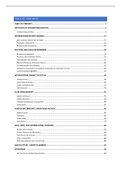
TABLE OF CONTENTS ...................................................................................................................................... 1
INITIATION OF INTERNATIONALIZATION ........................................................................................................ 3
INTERNATIONALIZATION ........................................................................................................................................... 3
INTERNATIONALIZATION THEORIES ............................................................................................................. 11
NEO CLASSICAL PERSPECTIVE ON FIRMS ...................................................................................................................... 11
ECONOMIC APPROACHES ........................................................................................................................................ 12
BEHAVRIOURAL APPROACHES .................................................................................................................................. 20
POLITICAL AND LEGAL ENVIRONMENT ......................................................................................................... 29
BUSINESS ENVIRONMENT ........................................................................................................................................ 29
POLITICAL AND ECONOMIC SYSTEM ........................................................................................................................... 31
GOVERNMENT INTERVENTION ................................................................................................................................. 33
PREVIOUS EU REGULATION AFFECTING FDI ................................................................................................................. 40
EU FRAMEWORK FOR SCREENING ............................................................................................................................. 42
EU NEWLY ESTABLISHED FDI SCREENING FRAMEWORK AS COMPARED TO CFIUS .................................................................. 44
EU FOCUS ON SUBSIDIES .................................................................................................................................. 47
INTERNATIONAL MARKET SELECTION .......................................................................................................... 49
INTRODUCTION ..................................................................................................................................................... 49
LOCATIONAL SCANNING .......................................................................................................................................... 50
OTHER CONSIDERATIONS......................................................................................................................................... 51
METHODOLOGY .................................................................................................................................................... 51
SALES MANAGEMENT .................................................................................................................................. 55
MARKET APPROACH ............................................................................................................................................... 55
MARKET RESEARCH ................................................................................................................................................ 59
FOREIGN INTERMEDIARY MANAGEMENT..................................................................................................................... 60
CONCLUSION ........................................................................................................................................................ 65
FOREIGN INTERMEDIATE OPERATIONS METHOD ......................................................................................... 66
INTRODUCTION ..................................................................................................................................................... 66
LICENSING ........................................................................................................................................................... 66
FRANCHISING ....................................................................................................................................................... 68
INVESTMENT ........................................................................................................................................................ 72
GVCS, GNPS, AND INTERNATIONAL SOURCING ............................................................................................ 82
GLOBAL VALUE CHAINS .......................................................................................................................................... 82
GLOBAL PRODUCTION NETWORKS............................................................................................................................ 84
THE ROLE OF THE SUPPLIER ..................................................................................................................................... 84
GVC IN TRANSITION .............................................................................................................................................. 86
GVC MANAGEMENT AND DEVELOPMENT ................................................................................................................... 89
GUEST LECTURE - EXPORT PLANNING........................................................................................................... 91
VIDEOCASES ................................................................................................................................................ 93
INITITIATION OF INTERNATIONALIZATION .................................................................................................................... 93
,THEORIES OF INTERNATIONALIZATION ........................................................................................................................ 95
MARKET SELECTION ............................................................................................................................................... 99
SALES MANAGEMENT ........................................................................................................................................... 100
FOREIGN INTERMEDIATE OPERATIONS METHOD ......................................................................................................... 101
GVCS, GPNS AND INTERNATIONAL SOURCING .......................................................................................................... 102
,INITIATION OF INTERNATIONALIZATION
Whether and when to internationalize?
In pre-internationalization
stages, SME managers use
information to achieve
enough relevant knowledge
to initiate internationalization.
This figure illustrates the
different stages
International expansion
INTERNATIONALIZATION
Why do firms internationalize?
- In the end, it is always about growth and profits
How so? Seek markets
- Literature on internationalization often assumes that sales-oriented objectives are the
most relevant
- The primary motive for starting activities in a foreign country is frequently the access
to new markets and the sales potential offered by foreign markets
But
- More firms import than export, on average
- (but not in all countries, regions, industries? See further)
, SMEs in Europe: Export
In Belgium the % of SMEs that
export is 24% (1/4 is thus
internationally active)
The smaller the country you are
based in, the more likely you will
internationalize
SMEs in Europe: Import
More countries import than export. In
Belgium the % of SMEs with import
is 45%
Reasons
- Components are cheaper
abroad
- Better quality
- Availability
Why do firms internationalize?
- Foreign activities can also be taken up with the objective of giving the firm access to
relevant resources (resource seeking)
o Such as natural resources (like agricultural produce, raw materials, ...),
o But also to parts and components from foreign suppliers,
o Low cost labour
è Efficiency seeking = companies go abroad to lower the costs associated with
performing economic activities
o And high skilled labour and knowledge (technology)
è Strategic asset seeking for R&D and innovation = companies go abroad to
obtain strategic assets (tangible or intangible)
Two main motivations that you internationalize
- Market seeking = companies go abroad to find new customers
- Resource seeking = companies go abroad to access resources that are not readily
available at home or can be obtained at a lower cost abroad
TABLE OF CONTENTS ...................................................................................................................................... 1
INITIATION OF INTERNATIONALIZATION ........................................................................................................ 3
INTERNATIONALIZATION ........................................................................................................................................... 3
INTERNATIONALIZATION THEORIES ............................................................................................................. 11
NEO CLASSICAL PERSPECTIVE ON FIRMS ...................................................................................................................... 11
ECONOMIC APPROACHES ........................................................................................................................................ 12
BEHAVRIOURAL APPROACHES .................................................................................................................................. 20
POLITICAL AND LEGAL ENVIRONMENT ......................................................................................................... 29
BUSINESS ENVIRONMENT ........................................................................................................................................ 29
POLITICAL AND ECONOMIC SYSTEM ........................................................................................................................... 31
GOVERNMENT INTERVENTION ................................................................................................................................. 33
PREVIOUS EU REGULATION AFFECTING FDI ................................................................................................................. 40
EU FRAMEWORK FOR SCREENING ............................................................................................................................. 42
EU NEWLY ESTABLISHED FDI SCREENING FRAMEWORK AS COMPARED TO CFIUS .................................................................. 44
EU FOCUS ON SUBSIDIES .................................................................................................................................. 47
INTERNATIONAL MARKET SELECTION .......................................................................................................... 49
INTRODUCTION ..................................................................................................................................................... 49
LOCATIONAL SCANNING .......................................................................................................................................... 50
OTHER CONSIDERATIONS......................................................................................................................................... 51
METHODOLOGY .................................................................................................................................................... 51
SALES MANAGEMENT .................................................................................................................................. 55
MARKET APPROACH ............................................................................................................................................... 55
MARKET RESEARCH ................................................................................................................................................ 59
FOREIGN INTERMEDIARY MANAGEMENT..................................................................................................................... 60
CONCLUSION ........................................................................................................................................................ 65
FOREIGN INTERMEDIATE OPERATIONS METHOD ......................................................................................... 66
INTRODUCTION ..................................................................................................................................................... 66
LICENSING ........................................................................................................................................................... 66
FRANCHISING ....................................................................................................................................................... 68
INVESTMENT ........................................................................................................................................................ 72
GVCS, GNPS, AND INTERNATIONAL SOURCING ............................................................................................ 82
GLOBAL VALUE CHAINS .......................................................................................................................................... 82
GLOBAL PRODUCTION NETWORKS............................................................................................................................ 84
THE ROLE OF THE SUPPLIER ..................................................................................................................................... 84
GVC IN TRANSITION .............................................................................................................................................. 86
GVC MANAGEMENT AND DEVELOPMENT ................................................................................................................... 89
GUEST LECTURE - EXPORT PLANNING........................................................................................................... 91
VIDEOCASES ................................................................................................................................................ 93
INITITIATION OF INTERNATIONALIZATION .................................................................................................................... 93
,THEORIES OF INTERNATIONALIZATION ........................................................................................................................ 95
MARKET SELECTION ............................................................................................................................................... 99
SALES MANAGEMENT ........................................................................................................................................... 100
FOREIGN INTERMEDIATE OPERATIONS METHOD ......................................................................................................... 101
GVCS, GPNS AND INTERNATIONAL SOURCING .......................................................................................................... 102
,INITIATION OF INTERNATIONALIZATION
Whether and when to internationalize?
In pre-internationalization
stages, SME managers use
information to achieve
enough relevant knowledge
to initiate internationalization.
This figure illustrates the
different stages
International expansion
INTERNATIONALIZATION
Why do firms internationalize?
- In the end, it is always about growth and profits
How so? Seek markets
- Literature on internationalization often assumes that sales-oriented objectives are the
most relevant
- The primary motive for starting activities in a foreign country is frequently the access
to new markets and the sales potential offered by foreign markets
But
- More firms import than export, on average
- (but not in all countries, regions, industries? See further)
, SMEs in Europe: Export
In Belgium the % of SMEs that
export is 24% (1/4 is thus
internationally active)
The smaller the country you are
based in, the more likely you will
internationalize
SMEs in Europe: Import
More countries import than export. In
Belgium the % of SMEs with import
is 45%
Reasons
- Components are cheaper
abroad
- Better quality
- Availability
Why do firms internationalize?
- Foreign activities can also be taken up with the objective of giving the firm access to
relevant resources (resource seeking)
o Such as natural resources (like agricultural produce, raw materials, ...),
o But also to parts and components from foreign suppliers,
o Low cost labour
è Efficiency seeking = companies go abroad to lower the costs associated with
performing economic activities
o And high skilled labour and knowledge (technology)
è Strategic asset seeking for R&D and innovation = companies go abroad to
obtain strategic assets (tangible or intangible)
Two main motivations that you internationalize
- Market seeking = companies go abroad to find new customers
- Resource seeking = companies go abroad to access resources that are not readily
available at home or can be obtained at a lower cost abroad