3.2.1: The value and distribution of ecosystems
Ecosystems
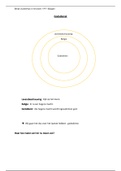
Ecosystem - a community of living organisms sharing an environment made up of
biotic and abiotic components
Abiotic - soil, sunlight, water
Biotic - plants, animals
Biome - a global scale ecosystem with similar ecological and environmental traits
4 components of an ecosystem which are in equilibrium
1. Climate
2. Vegetation
3. Soil
4. Animals
The value of ecosystems
● Ecosystems are valued on the basis of the services they supply
● 4 types of service - supporting, provisioning, regulating and cultural
● 4 constituents of wellbeing - security, material for life, health and social
relations
● A healthy and biodiverse ecosystem is needed to maintain human wellbeing
Cultural services
● Arguably the most important - high coastal population
○ Identity - the Bajau Sea Gypsies (Indonesia) rely on corals for a sense
of place
○ R&D
○ Education - great barrier reef
Provisional services (tangible goods)
● Products directly obtained from the ecosystem (goods)
● Some are sustainable (fruit) and some are not (timber)
○ Resources / building materials (corals)
○ Income
○ Food - 20% of animal protein consumed comes from the oceans
○ Medicine - naturally occurring substances (bioactive compounds) form
the basis of 50% of medications
○ The aquarium trade
○ 500 million use coral reefs for tourism, fishing, pearls...
,Regulating services (for the planet)
● Services vital to the functioning of the earth’s systems
○ Co2 sequestering
○ Shoreline protection - corals / protection from tsunamis
● May be more important in the future
Supporting services (for other organisms)
● The primary functions of an ecosystem (nutrient cycling, soil production)
○ Habitats
○ Increasing biodiversity - corals are home to ¼ of the world’s fish
○ Soil formation and nutrient cycling
Types of ecosystem
Terrestrial ecosystems
Found anywhere apart from heavily saturated places
The forest ecosystem
● Abundance of flora with a high density of organisms
● Tropical evergreen forest - dense vegetation with tall trees (Kapok tree) and
many different animals
○ Most biodiverse as has the highest temperatures / rainfall
○ Has ecological niches
● Temperate evergreen - few trees with mosses and ferns
○ Trees have spiked leaves to minimise transpiration
● Tropical deciduous - shrubs, dense bushes and trees
○ Found globally with a large variety of plants
● Temperate deciduous - in moist places with clearly defined seasons
○ Growing season of 140-200 days
○ Temperature ranges from -30 to 30°C
○ Fertile soil with decaying litter
○ Oak / hickory / maple
● Taiga / boreal forest - just below the arctic regions with evergreen conifers
○ Migratory birds / insects - temperatures are below 0 for ½ the year
○ Account for 29% of the world’s forest
○ Found in Canada and Russia
○ 40-100 cm of precipitation (snow) annually
○ 130 day growing season with adapted vegetation (little sunlight)
○ Vegetation is mainly coniferous trees (pines) but there are some
deciduous trees (elm)
,The desert ecosystem
● Annual rainfall of < 250 mm
● Temperatures range from 18-49℃
● 17% of all land
● Fauna / flora are poorly developed due to low precipitation and high
temperatures
● Poorly developed soils with little organic matter due to low plant productivity
○ Intense evaporation brings dissolved salts to the surface - leading to
saltpans where few plants can grow
● Vegetation is mainly shrubs with few grasses and rare trees
● Highly adapted plants - cacti are xerophytic and halophytic
● Animals include insects, birds, camels and reptiles
The grassland ecosystem
● In tropical and temperate regions
● Mainly grasses, plants and legumes with few trees / shrubs e.g. lemongrass
● Animals include insectivores and herbivores
● Savanna - tropical grasslands which are dry seasonally and have few trees
○ Many predators and grazers
○ Rainfall ranges from 50-130 cm per year - concentrated in 6/8 months
○ Has a wet and dry season with violent thunderstorms
● Prairies - temperate grassland with no shrubs / trees
○ Can be mixed, tall or short grass
○ Temperatures ranging from -40 to 38℃
The mountain ecosystem
● Diverse habitats
● High altitudes - alpine vegetation, hibernating animals with thick fur
● Lower slopes - coniferous forests
Aquatic ecosystems
Marine ecosystem
● Biggest ecosystem - covers > 70% of the earth’s surface and 97% of water
● Water has high amounts of minerals and salts
● There are different divisions:
○ Oceanic - shallow part of the oceans on the continental shelf
○ Profundal - deep water with no light
○ Benthic - bottom substrates
○ Inter-tidal
○ Estuaries
○ Coral reefs and salt marshes
, ○ Hydrothermal vents with chemosynthetic bacteria
● Cold environments tend to be more biodiverse
The freshwater ecosystem
● Covers 0.8% of the earth’s surface
● 3 kinds:
○ Lentic - slow moving / still water
○ Lotic - fast moving water
○ Wetlands - saturated soil. Home to reptiles, amphibians and 40% of
fish
● Faster moving water has greater biodiversity as it has more dissolved oxygen
Distribution of biomes
There is a strong correlation between distribution and global climate zones
● They have similar ecological and environmental traits
● Further from the equator (North) = lower primary productivity
○ Anomaly - the desert
● Climate determines the vegetation that is able to grow
Rainforest
● Tropical climates
● Either side of the equator in the tropics
● 3 main areas:
○ Amazon basin (South America)
○ Congo basin (East Africa)
○ Tropical rainforests of Malaysia and Indonesia
● Nearly linear distribution (apart from Congo)
Hot desert
● Subtropical / warm temperate climate
● Northern hemisphere - follows the Tropic of Cancer
○ The Sahara (North Africa)
○ The Arabian (Middle East)
○ Thar (East India)
● Also the Outback (Australia)
● Death Valley (West USA) is in the rain shadow of the Rockies
Temperate deciduous forests
● Cold temperate climate
● Northern hemisphere (50-55° north)
● 4 main areas:
Ecosystems
Ecosystem - a community of living organisms sharing an environment made up of
biotic and abiotic components
Abiotic - soil, sunlight, water
Biotic - plants, animals
Biome - a global scale ecosystem with similar ecological and environmental traits
4 components of an ecosystem which are in equilibrium
1. Climate
2. Vegetation
3. Soil
4. Animals
The value of ecosystems
● Ecosystems are valued on the basis of the services they supply
● 4 types of service - supporting, provisioning, regulating and cultural
● 4 constituents of wellbeing - security, material for life, health and social
relations
● A healthy and biodiverse ecosystem is needed to maintain human wellbeing
Cultural services
● Arguably the most important - high coastal population
○ Identity - the Bajau Sea Gypsies (Indonesia) rely on corals for a sense
of place
○ R&D
○ Education - great barrier reef
Provisional services (tangible goods)
● Products directly obtained from the ecosystem (goods)
● Some are sustainable (fruit) and some are not (timber)
○ Resources / building materials (corals)
○ Income
○ Food - 20% of animal protein consumed comes from the oceans
○ Medicine - naturally occurring substances (bioactive compounds) form
the basis of 50% of medications
○ The aquarium trade
○ 500 million use coral reefs for tourism, fishing, pearls...
,Regulating services (for the planet)
● Services vital to the functioning of the earth’s systems
○ Co2 sequestering
○ Shoreline protection - corals / protection from tsunamis
● May be more important in the future
Supporting services (for other organisms)
● The primary functions of an ecosystem (nutrient cycling, soil production)
○ Habitats
○ Increasing biodiversity - corals are home to ¼ of the world’s fish
○ Soil formation and nutrient cycling
Types of ecosystem
Terrestrial ecosystems
Found anywhere apart from heavily saturated places
The forest ecosystem
● Abundance of flora with a high density of organisms
● Tropical evergreen forest - dense vegetation with tall trees (Kapok tree) and
many different animals
○ Most biodiverse as has the highest temperatures / rainfall
○ Has ecological niches
● Temperate evergreen - few trees with mosses and ferns
○ Trees have spiked leaves to minimise transpiration
● Tropical deciduous - shrubs, dense bushes and trees
○ Found globally with a large variety of plants
● Temperate deciduous - in moist places with clearly defined seasons
○ Growing season of 140-200 days
○ Temperature ranges from -30 to 30°C
○ Fertile soil with decaying litter
○ Oak / hickory / maple
● Taiga / boreal forest - just below the arctic regions with evergreen conifers
○ Migratory birds / insects - temperatures are below 0 for ½ the year
○ Account for 29% of the world’s forest
○ Found in Canada and Russia
○ 40-100 cm of precipitation (snow) annually
○ 130 day growing season with adapted vegetation (little sunlight)
○ Vegetation is mainly coniferous trees (pines) but there are some
deciduous trees (elm)
,The desert ecosystem
● Annual rainfall of < 250 mm
● Temperatures range from 18-49℃
● 17% of all land
● Fauna / flora are poorly developed due to low precipitation and high
temperatures
● Poorly developed soils with little organic matter due to low plant productivity
○ Intense evaporation brings dissolved salts to the surface - leading to
saltpans where few plants can grow
● Vegetation is mainly shrubs with few grasses and rare trees
● Highly adapted plants - cacti are xerophytic and halophytic
● Animals include insects, birds, camels and reptiles
The grassland ecosystem
● In tropical and temperate regions
● Mainly grasses, plants and legumes with few trees / shrubs e.g. lemongrass
● Animals include insectivores and herbivores
● Savanna - tropical grasslands which are dry seasonally and have few trees
○ Many predators and grazers
○ Rainfall ranges from 50-130 cm per year - concentrated in 6/8 months
○ Has a wet and dry season with violent thunderstorms
● Prairies - temperate grassland with no shrubs / trees
○ Can be mixed, tall or short grass
○ Temperatures ranging from -40 to 38℃
The mountain ecosystem
● Diverse habitats
● High altitudes - alpine vegetation, hibernating animals with thick fur
● Lower slopes - coniferous forests
Aquatic ecosystems
Marine ecosystem
● Biggest ecosystem - covers > 70% of the earth’s surface and 97% of water
● Water has high amounts of minerals and salts
● There are different divisions:
○ Oceanic - shallow part of the oceans on the continental shelf
○ Profundal - deep water with no light
○ Benthic - bottom substrates
○ Inter-tidal
○ Estuaries
○ Coral reefs and salt marshes
, ○ Hydrothermal vents with chemosynthetic bacteria
● Cold environments tend to be more biodiverse
The freshwater ecosystem
● Covers 0.8% of the earth’s surface
● 3 kinds:
○ Lentic - slow moving / still water
○ Lotic - fast moving water
○ Wetlands - saturated soil. Home to reptiles, amphibians and 40% of
fish
● Faster moving water has greater biodiversity as it has more dissolved oxygen
Distribution of biomes
There is a strong correlation between distribution and global climate zones
● They have similar ecological and environmental traits
● Further from the equator (North) = lower primary productivity
○ Anomaly - the desert
● Climate determines the vegetation that is able to grow
Rainforest
● Tropical climates
● Either side of the equator in the tropics
● 3 main areas:
○ Amazon basin (South America)
○ Congo basin (East Africa)
○ Tropical rainforests of Malaysia and Indonesia
● Nearly linear distribution (apart from Congo)
Hot desert
● Subtropical / warm temperate climate
● Northern hemisphere - follows the Tropic of Cancer
○ The Sahara (North Africa)
○ The Arabian (Middle East)
○ Thar (East India)
● Also the Outback (Australia)
● Death Valley (West USA) is in the rain shadow of the Rockies
Temperate deciduous forests
● Cold temperate climate
● Northern hemisphere (50-55° north)
● 4 main areas: