1
Caribbean Literature in English: Colonial and Postcolonial. Exploring the idea of belonging
and identity in Caribbean texts.
‘I don’t belong nowhere really…’ (Selina, in ‘Let them call it jazz’, Jean Rhys, 1962).
Explore the relationship between place, belonging, and identity as represented in at least two
Caribbean texts.
Caribbean texts are preoccupied by the relationship between place, belonging, and identity.
The formation of a distinct national identity has been undermined by the historical processes
that shaped the Caribbean. Consequently, Caribbean literature explores the ramifications of
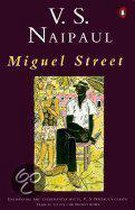
colonialism on the people’s sense of belonging. In Miguel Street (1959), for example, Naipaul
challenges the existence of a Caribbean people by depicting an incoherent Trinidadian culture
and community. While in The Lonely Londoners (1956), Selvon considers the affects of
migration on the formation of a West Indian identity and an individuals feeling of belonging.
In Miguel Street, Naipaul calls into question the existence of a distinct Caribbean
identity. The turbulent history of the Caribbean, shaped by imperialism and colonisation
resulted in a hybrid and displaced nation. As a result, the present-day population of the
Caribbean ‘consists of a variety of racial groups all more or less in ancestral exile.’1 Naipaul
depicts a racially hybrid and displaced society in Miguel Street, the inhabitants of which see
their community ‘as a world, where everybody was quite different from everybody else.’2
However, as the text implies, the diverse population ‘have failed to form a common culture,
have collided without cohering.’3 Indeed, Miguel Street is characterised by hostility and
alienation. Big Foot, for example, who ‘was really big and really black’ (MS, p.49), had a
reputation for being ‘frightening’ (MS, p.50) and ‘dangerous’ (MS, p.50). Consequently, he is
alienated from the street’s inhabitants. In reality, however, Big Foot is vulnerable and afraid,
and was ‘bullied’ (MS, p.53) as a child. Furthermore, the inhabitants are in constant dispute
with one another. Morgan the pyrotechnicist has ‘fits of craziness’ (MS, p.60) where he
wrangles with Bhakcu the ‘mechanical genius’ (MS, p.60). Indeed, the inhabitants are so
divided that George ‘had no use for people in general’ (MS, p.17). In Miguel Street, therefore,
, 2
the Caribbean community is divided by conflict. The reason for this, Naipaul implies, is the
absence of a distinct Trinidadian identity.
Furthermore, Naipaul argues that a divided and directionless society can become ‘a
vacuum into which the detritus of other cultures can rush.’4 Miguel Street is populated by an
aimless and directionless people. Indeed, Naipaul presents a ‘picture of a passive people in a
stultified society.’5 As the narrator comments, nobody in Miguel Street was ‘a specialist’ (MS,
p.53), yet all the inhabitants were ‘romancers’ (MS, p.69). B. Wordsworth, for example, fails
to compose the “the greatest poem in the world” (MS, p.45), and Popo the Carpenter never
completes “the thing without a name” (MS, p.8). As a consequence of such aimlessness, the
characters in Miguel Street are readily influenced by American culture. Bogart and Edward,
for example, reject their Trinidadian heritage and assume a distinct American identity. Indeed,
Bogart, who derives his name from the American actor Humphrey Bogart, adopts a ‘pure
American’ (MS, p.6) accent. Similarly, after the invasion of Trinidad by American troops,
Edward ‘begun wearing clothes in the American style’ (MS, p.146). The advanced American
culture also engenders in Edward a feeling of dissatisfaction with Trinidad: “In America you
think they have streets so narrow?” (MS, p.146), he deplores. Consequently, characters who
adopt an alternative cultural identity do not feel that they ‘belong’ to Trinidad. Their
appropriation of an American identity on Caribbean soil, also contests the notion that identity
is shaped by location.
Miguel Street further suggests that an individual can never belong to a nation with an
incoherent sense of identity. Many of Naipaul’s characters try to escape the changelessness
and despondency of their lives. Laura, for example, wants her daughter Lorna to make
something of herself in Trinidad: “I don’t want my children to grow like me” (MS, p.87), she
affirms. Laura has single-handedly mothered eight children, and when Lorna becomes
pregnant, Laura cried ‘all the cry she had saved up since she was born’ (MS, p.88). To escape
Caribbean Literature in English: Colonial and Postcolonial. Exploring the idea of belonging
and identity in Caribbean texts.
‘I don’t belong nowhere really…’ (Selina, in ‘Let them call it jazz’, Jean Rhys, 1962).
Explore the relationship between place, belonging, and identity as represented in at least two
Caribbean texts.
Caribbean texts are preoccupied by the relationship between place, belonging, and identity.
The formation of a distinct national identity has been undermined by the historical processes
that shaped the Caribbean. Consequently, Caribbean literature explores the ramifications of
colonialism on the people’s sense of belonging. In Miguel Street (1959), for example, Naipaul
challenges the existence of a Caribbean people by depicting an incoherent Trinidadian culture
and community. While in The Lonely Londoners (1956), Selvon considers the affects of
migration on the formation of a West Indian identity and an individuals feeling of belonging.
In Miguel Street, Naipaul calls into question the existence of a distinct Caribbean
identity. The turbulent history of the Caribbean, shaped by imperialism and colonisation
resulted in a hybrid and displaced nation. As a result, the present-day population of the
Caribbean ‘consists of a variety of racial groups all more or less in ancestral exile.’1 Naipaul
depicts a racially hybrid and displaced society in Miguel Street, the inhabitants of which see
their community ‘as a world, where everybody was quite different from everybody else.’2
However, as the text implies, the diverse population ‘have failed to form a common culture,
have collided without cohering.’3 Indeed, Miguel Street is characterised by hostility and
alienation. Big Foot, for example, who ‘was really big and really black’ (MS, p.49), had a
reputation for being ‘frightening’ (MS, p.50) and ‘dangerous’ (MS, p.50). Consequently, he is
alienated from the street’s inhabitants. In reality, however, Big Foot is vulnerable and afraid,
and was ‘bullied’ (MS, p.53) as a child. Furthermore, the inhabitants are in constant dispute
with one another. Morgan the pyrotechnicist has ‘fits of craziness’ (MS, p.60) where he
wrangles with Bhakcu the ‘mechanical genius’ (MS, p.60). Indeed, the inhabitants are so
divided that George ‘had no use for people in general’ (MS, p.17). In Miguel Street, therefore,
, 2
the Caribbean community is divided by conflict. The reason for this, Naipaul implies, is the
absence of a distinct Trinidadian identity.
Furthermore, Naipaul argues that a divided and directionless society can become ‘a
vacuum into which the detritus of other cultures can rush.’4 Miguel Street is populated by an
aimless and directionless people. Indeed, Naipaul presents a ‘picture of a passive people in a
stultified society.’5 As the narrator comments, nobody in Miguel Street was ‘a specialist’ (MS,
p.53), yet all the inhabitants were ‘romancers’ (MS, p.69). B. Wordsworth, for example, fails
to compose the “the greatest poem in the world” (MS, p.45), and Popo the Carpenter never
completes “the thing without a name” (MS, p.8). As a consequence of such aimlessness, the
characters in Miguel Street are readily influenced by American culture. Bogart and Edward,
for example, reject their Trinidadian heritage and assume a distinct American identity. Indeed,
Bogart, who derives his name from the American actor Humphrey Bogart, adopts a ‘pure
American’ (MS, p.6) accent. Similarly, after the invasion of Trinidad by American troops,
Edward ‘begun wearing clothes in the American style’ (MS, p.146). The advanced American
culture also engenders in Edward a feeling of dissatisfaction with Trinidad: “In America you
think they have streets so narrow?” (MS, p.146), he deplores. Consequently, characters who
adopt an alternative cultural identity do not feel that they ‘belong’ to Trinidad. Their
appropriation of an American identity on Caribbean soil, also contests the notion that identity
is shaped by location.
Miguel Street further suggests that an individual can never belong to a nation with an
incoherent sense of identity. Many of Naipaul’s characters try to escape the changelessness
and despondency of their lives. Laura, for example, wants her daughter Lorna to make
something of herself in Trinidad: “I don’t want my children to grow like me” (MS, p.87), she
affirms. Laura has single-handedly mothered eight children, and when Lorna becomes
pregnant, Laura cried ‘all the cry she had saved up since she was born’ (MS, p.88). To escape